Strategic Positioning
USS George H.W. Bush Arrival Drives Trump's Iran Deadline Strategy
•news


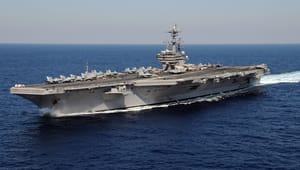
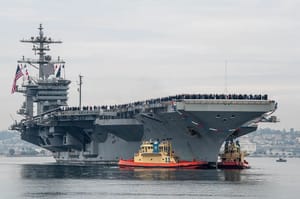
The lead ship of the U.S. Navy's newest class of nuclear-powered aircraft carriers, representing cutting-edge naval technology and power projection
The USS Gerald R. Ford (CVN-78) is the lead ship of the Gerald R. Ford-class aircraft carriers and the most technologically advanced warship ever built by the United States Navy. Commissioned in July 2017, the carrier is named after the 38th President of the United States and represents a significant leap forward in naval aviation capabilities. With a displacement of approximately 100,000 tons and a length of 1,106 feet, the Ford incorporates revolutionary technologies including electromagnetic aircraft launch systems, advanced arresting gear, and a redesigned island structure that maximizes flight deck space.
The carrier's advanced systems enable it to launch and recover aircraft more efficiently than previous Nimitz-class carriers, with the capacity to generate approximately 33 percent more sorties per day. The Ford's dual-band radar system, improved weapons elevators, and reduced crew requirements of approximately 2,600 sailors represent substantial improvements in operational efficiency and cost-effectiveness. The ship's A1B nuclear reactors provide virtually unlimited range and generate three times the electrical power of previous carriers, supporting energy-intensive systems including electromagnetic catapults and advanced defensive weapons.
Since its commissioning, the USS Gerald R. Ford has undergone extensive testing and operational evaluations to validate its revolutionary systems and prepare for full combat readiness. The carrier completed its first deployment in 2022, operating in the Atlantic Ocean and Mediterranean Sea as part of NATO exercises and deterrence operations. These missions demonstrated the ship's ability to project American naval power and support allied operations across multiple theaters.
The Ford-class carrier program represents the Navy's commitment to maintaining maritime superiority well into the 21st century. With plans for at least four ships in the class, including the USS John F. Kennedy (CVN-79) currently under construction, these carriers will form the backbone of American naval aviation for decades to come. The advanced technologies pioneered on the Ford are expected to reduce total ownership costs while significantly enhancing combat capabilities.
The carrier's air wing typically consists of approximately 75 aircraft, including F/A-18 Super Hornets, EA-18G Growlers, E-2D Hawkeyes, MH-60 helicopters, and eventually F-35C Lightning II stealth fighters. This diverse complement of aircraft enables the Ford to conduct a wide range of missions, from air superiority and strike operations to electronic warfare and humanitarian assistance. The ship's enhanced sortie generation rate means it can sustain higher operational tempos during extended combat operations.
As the flagship of American naval power projection, the USS Gerald R. Ford continues to undergo refinements and improvements based on operational experience. The carrier serves as a visible symbol of American military strength and technological innovation, capable of responding to crises worldwide and supporting U.S. national security interests across the globe.
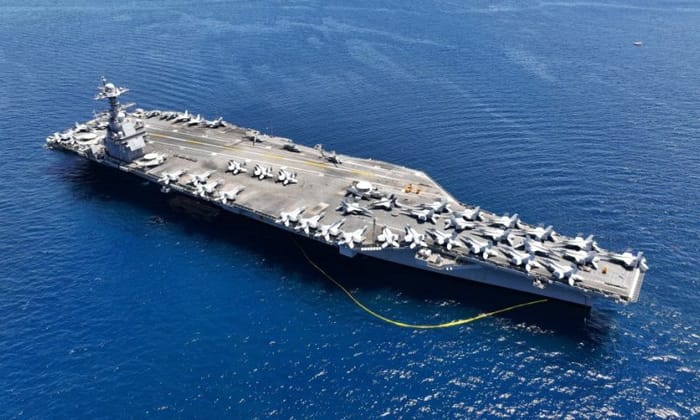
After a historic 309 day deployment in the Middle East, the USS Gerald R. Ford is returning to the United States for critical repairs and crew rotation.
Strategic Positioning

On the brink
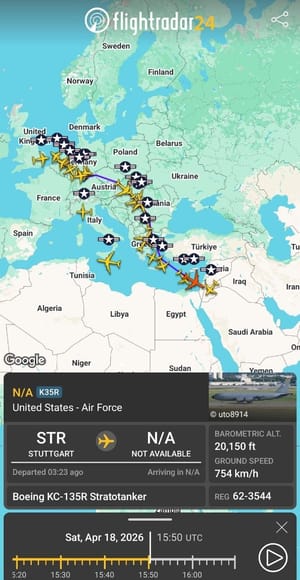
Carrier Strike Force Surges
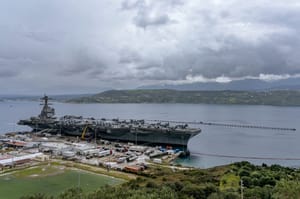
Sea to shining sea
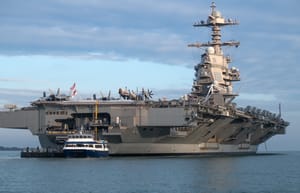
Replacing the Ford
The Secret Damage
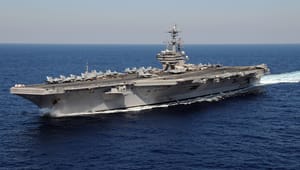
The World’s Most Powerful Aircraft Carrier is Back
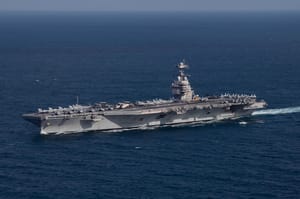
America's Mightiest Warship
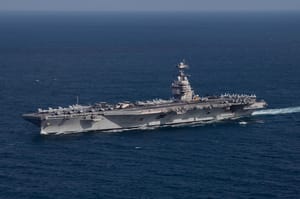
Pincer manuever

Secret War Readiness Checks Inside the IAF
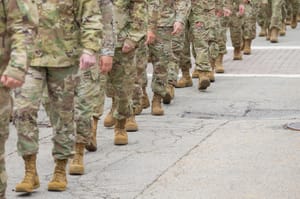
Boots on the ground

Here we go
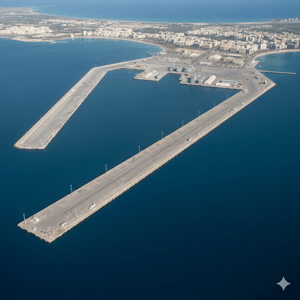
Clock is ticking
High Price of Posture
Maximum Pressure
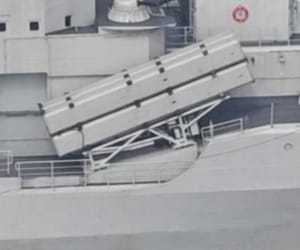
Supersonic Terror

Classic Pressure Tactic
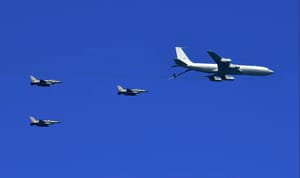
Preparing the Flight Path
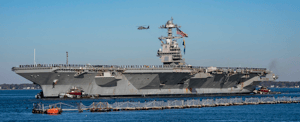
Hang in there