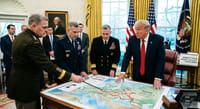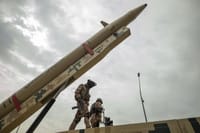
Vice President JD Vance has issued a stern reminder to the international community that the United States is prepared to move beyond diplomacy if Iran refuses to meet President Donald Trump’s non-negotiable red lines. In a wide ranging interview with Fox News, Vance emphasized that the current administration is taking a fundamentally different approach to national security than its predecessors, particularly regarding Iran’s illicit nuclear weapons program. While acknowledging that recent discussions "went well," Vance was clear that a diplomatic solution is only one of many tools at the President's disposal. This diplomatic pressure coincides with a massive military mobilization, as Israeli security assessments indicate that the United States will complete its full combat readiness in the Middle East within the next week, signaling that the window for a peaceful resolution is rapidly narrowing.
No Room for Nuclear Irrationality
During his interview, Vice President Vance highlighted the stakes of the current standoff, describing the Iranian leadership as one of the most hostile and irrational regimes in the world. He argued that allowing such a government to possess the most dangerous weapon known to man would be catastrophic for the security of future generations. "The President of the United States is very much trying to find a solution here, whether it's through diplomatic options or through another option, that means that the Iranians cannot have a nuclear weapon," Vance stated. He was careful to differentiate Trump’s strategy from the 2015 JCPOA, noting that Trump has shown very clearly that he is not Barack Obama and is far more willing to act aggressively to defend American interests.
Vance’s comments reflect a policy of strength and clear boundaries. He mentioned that while certain aspects of the talks were positive, the Iranians are still not ready to recognize some of the President's fundamental red lines. This disconnect remains a primary driver for the White House’s "other options," which the Vice President insisted are being refined alongside the diplomatic path. By framing the issue as a choice between a verifiable agreement and the implementation of aggressive countermeasures, the administration is placing the burden of preventing a regional war squarely on Tehran’s shoulders.
Completing the Strike Force
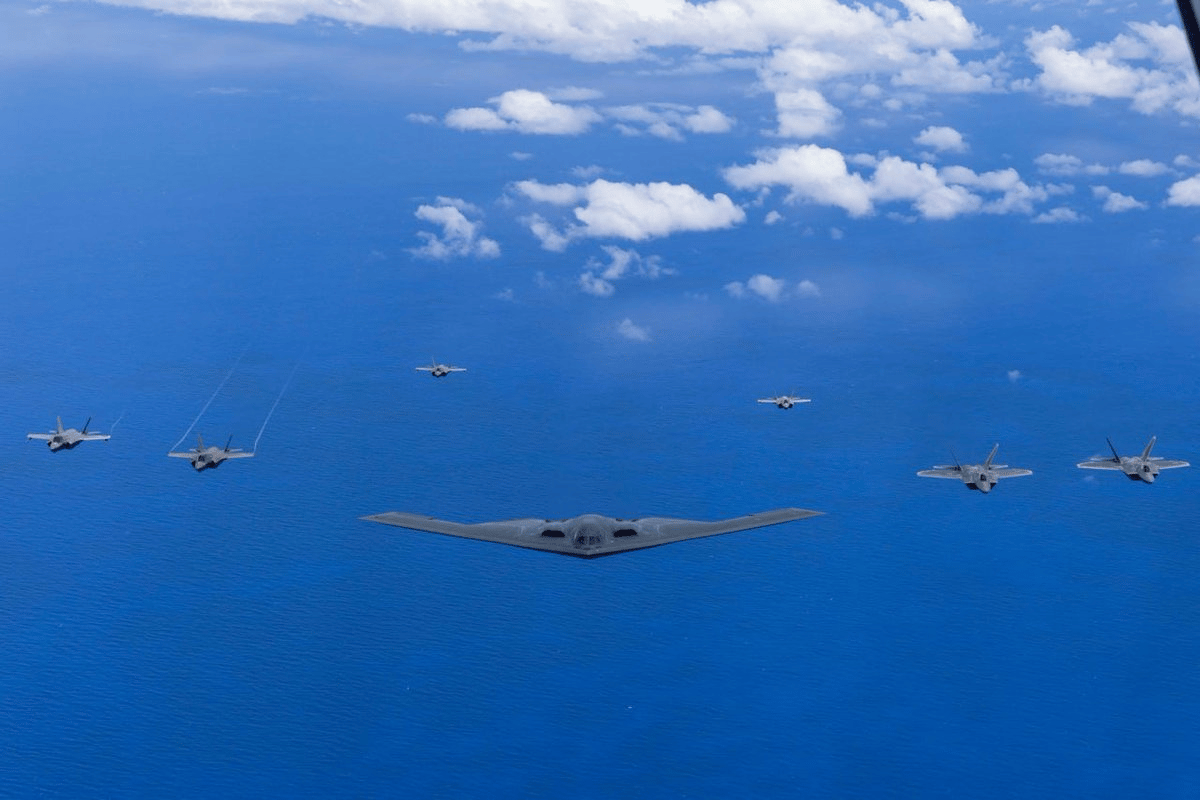
Parallel to Vance’s warnings, the physical reality of American power is becoming increasingly visible on the ground and at sea. Security assessments from Israel, based on American military communications, suggest that the buildup of US forces will be finalized in approximately one week. This final phase involves the deployment of the last remaining air defense batteries to strategic locations, some of which have never hosted such advanced systems before. Furthermore, the USS Gerald R. Ford aircraft carrier is expected to arrive within the same timeframe, joining an already formidable naval presence.
The US is intentionally maintaining a policy of ambiguity regarding the timing and nature of any potential action to ensure the element of surprise. While fighter jets and transport planes continue to stream into regional bases, the military has established a clear operational plan that is merely awaiting the President’s command. As the Iranian regime continues its own drills and maintains a state of high alert, the completion of the American force buildup creates a "zero hour" scenario. If the diplomatic mission does not produce a breakthrough regarding Trump’s red lines by the time the Ford arrives, the "other options" mentioned by Vice President Vance may become the primary focus of American policy.