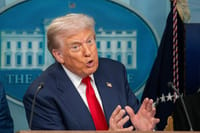
The rhetoric comes amid heightened U.S. military presence in the Middle East, with over 50 fighter jets, including F-22s, F-35s, and F-16s, alongside warships positioned near Iran. This buildup follows Trump's threats of potential military action if nuclear talks fail, including suggestions of regime change in Tehran. Khamenei rebuffed such notions, stating that the U.S. would not succeed in deposing the Islamic Republic, echoing his long-standing defiance against Washington.
Despite his threats, negotiators in Geneva reported advancements in the indirect talks aimed at curbing Iran's nuclear program. Iranian Foreign Minister Abbas Araghchi described the discussions as yielding "good progress," with both sides agreeing on "guiding principles" for a potential deal. A senior U.S. official, speaking anonymously, expressed optimism about upcoming detailed proposals on uranium enrichment limits and Iran's ballistic missile program.
The parties are set to convene for a third round of talks soon, though tensions remain high with no immediate breakthroughs on core issues like missile stockpiles, which Khamenei reiterated are non-negotiable.
The U.S. has demanded full dismantlement of Iran's enriched uranium program, while Tehran insists on lifting sanctions and recognizing its right to peaceful nuclear activities. Analysts view Khamenei's speech as a strategic move to bolster domestic support and signal resolve amid the negotiations.
This escalation follows Iran's recent missile tests in the Strait of Hormuz, further straining relations.
The Geneva talks, mediated by Swiss officials, represent a rare diplomatic channel since the collapse of the 2015 JCPOA under the previous Trump administration. Sources close to the Iranian delegation emphasized a "clearer path ahead," but warned that U.S. military posturing could derail the process.
President Trump, indirectly involved in the talks, has maintained that Tehran is eager for a deal but must concede on key demands.