Military Buildup
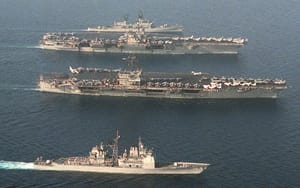
Historic US Naval Deployment: 3 Carriers Face Iran
•news


Comprehensive coverage of the USS Abraham Lincoln Carrier Strike Group's operations, deployments, and strategic role in U.S. naval power projection worldwide
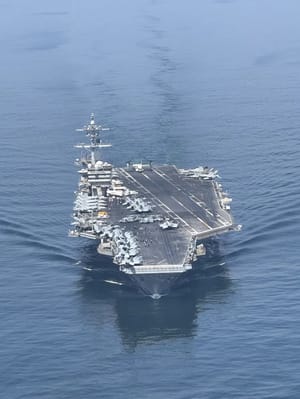
The USS Abraham Lincoln Carrier Strike Group (CSG) is a powerful naval formation centered around the Nimitz-class aircraft carrier USS Abraham Lincoln (CVN-72). This carrier strike group represents one of the United States Navy's primary instruments for power projection, crisis response, and maritime security operations across global waters. The strike group typically includes guided-missile cruisers, destroyers, and a submarine, along with approximately 7,500 personnel and more than 60 aircraft, making it a formidable and self-sustaining naval force capable of extended operations far from home ports.
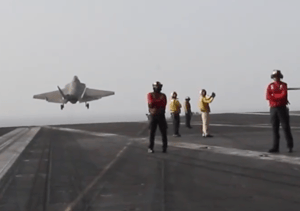
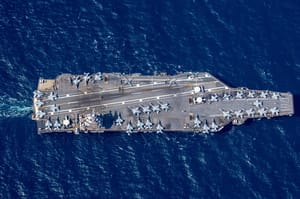
The USS Abraham Lincoln, commissioned in 1989 and named after the 16th President of the United States, serves as the centerpiece of this carrier strike group. The nuclear-powered supercarrier displaces over 100,000 tons and stretches more than 1,000 feet in length, providing a mobile airbase that can operate independently for extended periods. The carrier's air wing includes F/A-18 Super Hornet strike fighters, EA-18G Growler electronic warfare aircraft, E-2D Hawkeye early warning aircraft, and various support helicopters, enabling the strike group to conduct a wide range of missions from air superiority to ground attack and reconnaissance operations.
Throughout its operational history, the Abraham Lincoln Carrier Strike Group has deployed to critical regions including the Middle East, Western Pacific, and Indian Ocean. The strike group has participated in numerous combat operations, humanitarian assistance missions, and freedom of navigation operations. Its presence in strategic waterways and contested regions serves as a visible demonstration of American naval power and commitment to international security partnerships. The carrier strike group's ability to rapidly respond to emerging crises makes it an essential component of U.S. military strategy.
The composition of the USS Abraham Lincoln Carrier Strike Group varies by deployment but typically includes Ticonderoga-class guided-missile cruisers equipped with the Aegis Combat System, providing advanced air defense capabilities. Arleigh Burke-class guided-missile destroyers accompany the carrier, offering additional anti-air, anti-surface, and anti-submarine warfare capabilities. A Los Angeles or Virginia-class attack submarine often operates with the group, providing undersea warfare protection and intelligence gathering capabilities. This multi-layered defense system ensures the carrier's protection while enabling offensive operations across multiple domains.
Recent deployments of the Abraham Lincoln Carrier Strike Group have focused on maintaining stability in regions of strategic importance to U.S. interests. The strike group regularly conducts exercises with allied navies, enhancing interoperability and strengthening international partnerships. These operations demonstrate the Navy's commitment to maintaining a forward presence and ensuring freedom of navigation in international waters. The carrier strike group's deployments often extend for six to nine months, during which it may operate in multiple theaters and participate in various contingency operations.
The operational tempo and deployment schedule of the USS Abraham Lincoln Carrier Strike Group reflect the U.S. Navy's global commitments and the ongoing demand for carrier presence in key regions. Between deployments, the carrier undergoes maintenance periods and training cycles to ensure readiness for future operations. The strike group's personnel train extensively in damage control, flight operations, combat systems operation, and coordinated warfare tactics. This continuous cycle of training, deployment, and maintenance ensures that the Abraham Lincoln Carrier Strike Group remains ready to respond to any contingency at a moment's notice.
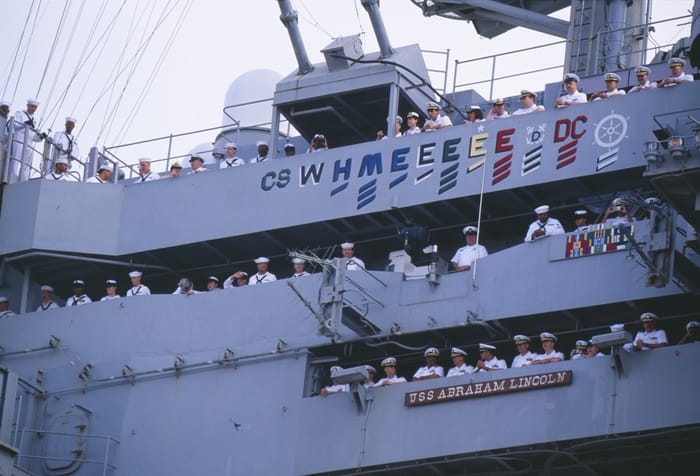
Acting Navy Secretary Hung Cao told Sen. Gillibrand that eight service members in the Lincoln carrier strike group attempted suicide during a record deployment that included the Iran war.
Military Buildup
Contrary to Iranian propaganda

Setting the record straight
Paying the price
Stunning
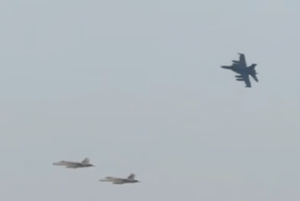
EPIC FURY
Epic Fury
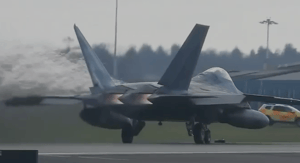
High Price of Posture
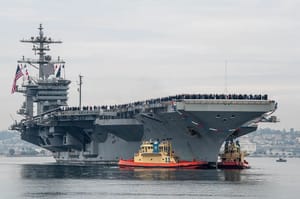
Maximum Pressure
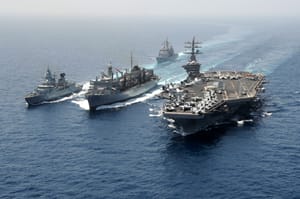
Prepare for a Multi-Week Siege
Scary
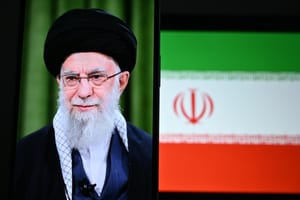
Threatening to Sink US Warships
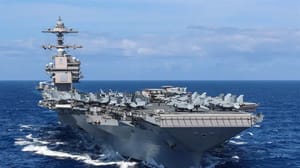
The Lethal Reality of Iran’s New Weaponry
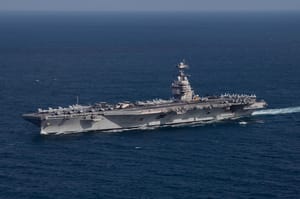
Carrier deployment update

Growlers and F-35Cs Gear Up

"They just talk and talk"
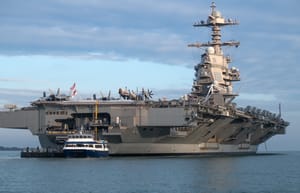
Ford Rockets to Mideast
"We're Watching US Ships Non-Stop"
Tensions reach fever pitch