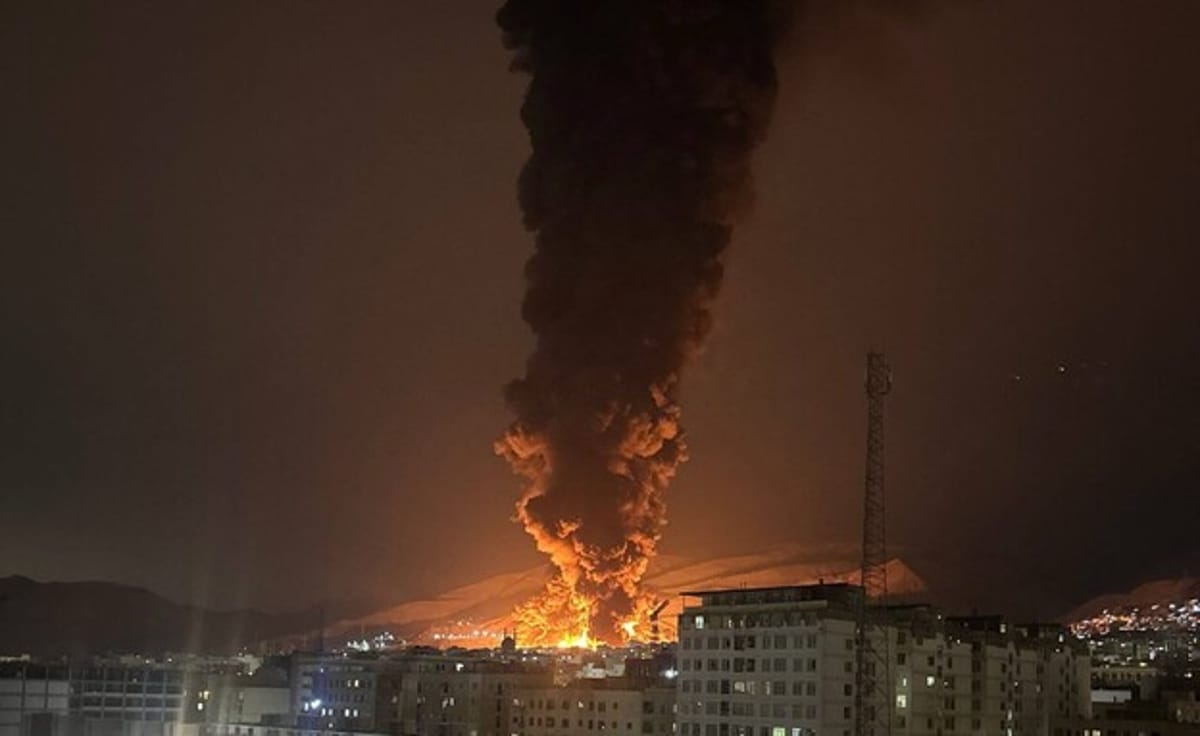
The first significant diplomatic dispute between the United States and Israel since the outbreak of the war nine days ago has emerged following a massive Israeli aerial assault on Iranian fuel infrastructure. On Saturday, the Israeli Air Force targeted and destroyed 30 major oil and fuel storage depots in Tehran and several other cities, sparking enormous fires that could be seen from space. While the Israeli government maintains that these facilities are essential for the regime’s military logistics, the Trump administration has expressed deep frustration over the scale of the attacks. US officials claimed they were notified of a planned strike but were blindsided by the "extensive scope" of the destruction.
Flames Over the Capital
The strikes on Saturday were designed to send a clear message to the Iranian leadership to cease their attacks on civilian infrastructure in Israel. However, the resulting infernos in Tehran have created significant environmental pollution and visible chaos throughout the capital. The IDF defended the operation, stating that these fuel depots "are used by the Iranian regime to supply fuel to various consumers, including its military arms." By cutting off the fuel supply, Israel intends to paralyze the movement of Revolutionary Guard units and missile launchers. Despite this tactical logic, the White House is reportedly concerned that such high profile images of burning infrastructure will drive up global energy prices and create unnecessary anxiety in the international markets.
The Fear of the $200 Barrel
The Iranian regime has wasted no time in capitalizing on the American concern. A spokesman for the Khatam al-Anbiya headquarters warned that if strikes on Iranian oil infrastructure continue, Tehran will respond by targeting regional energy hubs. He threatened that if the regime decides to strike back at regional fuel sites, the price of oil could skyrocket to $200 per barrel. This is exactly the scenario the Trump administration is desperate to avoid. Beyond the economic impact, US officials worry that hitting basic services could backfire by driving the Iranian public to support the regime out of a sense of national grievance, rather than encouraging the internal collapse that both countries hope to see.
A Growing Strategic Divide
While the military cooperation between the two allies remains deep, this incident highlights a fundamental difference in their approach to the endgame of the war. Israel is currently focused on a policy of "maximum destruction" to dismantle every pillar of the regime's power as quickly as possible. Washington, on the other hand, appears to be favoring a more controlled escalation that minimizes global economic damage and avoids a humanitarian catastrophe. The Speaker of the Iranian Parliament, Mohammad Baqer Qalibaf, added to the tension by promising that further strikes on Iranian soil would be met with a response "without delay," suggesting that the war is entering a dangerous phase where civilian infrastructure on both sides may become the primary targets.