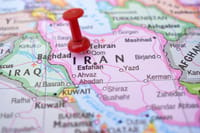
As the coalition's war machine continues to "peel back" the layers of Iranian defense, the regime in Tehran has reportedly turned to its final card: a desperate plea for a total regional uprising. According to intelligence assessments presented in Israel, the surviving members of the Iranian leadership are exerting "immense pressure" on their regional proxies to immediately join the war in a significant capacity. This includes direct orders to the Houthis in Yemen, various militias in Iraq and Syria, and the remaining cells of the Palestinian Islamic Jihad. The goal of this pressure is to create a "multi-front chaos" that would force the Israeli and American forces to divert their attention and resources away from the primary targets in Tehran and Isfahan, effectively using the proxies as human and political shields for the collapsing central government.
The Houthi Dilemma
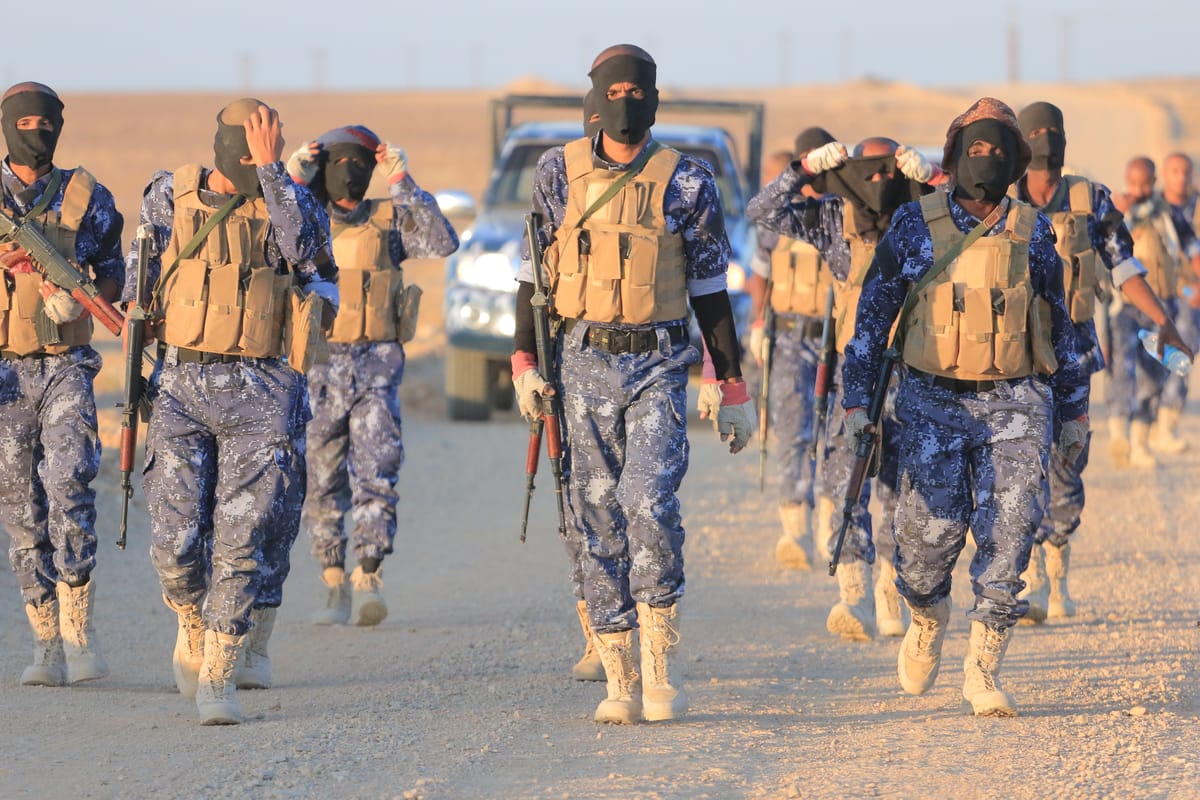
The Houthis in Yemen have been singled out by Tehran as a primary tool for escalation. Due to their strategic position along the Red Sea and their stockpile of Iranian-made long range missiles, the Houthis have the capacity to disrupt global shipping and strike southern Israel. However, intelligence reports suggest that even the Houthis are hesitating. They have watched the rapid decapitation of the Hezbollah leadership and the total exposure of the Iranian mainland, and there is a growing fear in Sanaa that a major intervention would result in a devastating coalition response against Yemen itself. Despite this, the Iranian pressure is described as "unprecedented," with Tehran reportedly threatening to cut off all future financial and military support if the Houthis do not launch a massive barrage in the coming days.
A Broken Axis
The "immense pressure" from Tehran is a clear sign that the regime no longer believes it can win the war on its own. For decades, Iran has marketed the "Axis of Resistance" as a unified force that would strike in unison. The current reality, however, shows an axis that is fractured and fearful. While some Iraqi militias have launched sporadic drone attacks, there has been no coordinated, high intensity intervention. This lack of response is infuriating the surviving commanders in Tehran, who are now realizing that their proxies may be more interested in their own survival than in dying for a regime that is already on the brink of collapse. The Israeli security establishment is closely monitoring these communications, using them to map out the final nodes of the Iranian terror network.
The Goal of Regional Diversion
The Israeli assessment suggests that the regime's strategy is purely one of diversion. By forcing the Houthis and other groups to "go all in," Tehran hopes to trigger a broader regional war that would draw in international mediators and force a ceasefire. This would provide the Iranian regime with the breathing room it needs to reorganize and appoint a new leadership. However, the "Iron Triangle" of Netanyahu, Katz, and Zamir has anticipated this move, maintaining a significant force in the south and north specifically to handle proxy escalations while the main force continues to hammer the Iranian heartland. The desperation in Tehran's communications proves that the strategy of "hitting the head of the snake" is working, leaving the various arms of the octopus to flail in confusion.