For more than a century, we have understood modern politics through a single lens: economics.
Capitalism versus socialism. Markets versus central planning. Bourgeoisie versus proletariat. The ideological struggles that shaped the twentieth century all revolved around one central question: How should wealth be organized?
Millions were willing to die for the answer.
The first half of the twentieth century was an age in which economic ideas inspired revolutions, civil wars, and global conflict. Entire societies sacrificed themselves for competing visions of production, ownership, labor, and equality. Economics was not merely a practical concern. It became the battlefield upon which history itself was fought.
Today, however, something fundamental has changed.
People no longer want to die for economic ideas.
They want to live through them.
The prosperity, innovation, and abundance created by the capitalist world have transformed the conversation. The great economic war has, for all practical purposes, ended. Capitalism won. Even governments that criticize capitalism rely upon markets, investment, private ownership, and global finance. The debate has not disappeared entirely, but its historical momentum has.
Ironically, this victory created a vacuum.
Once the economic conflict faded, politics needed a new organizing principle. And into that vacuum entered something far more powerful than economics.
A new social religion.
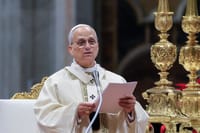
For years, religion connected man to God. The biblical idea that human beings are created in the image of God grounded ethics in something higher than society itself. Human dignity existed because it reflected a transcendent source.
As traditional religion declined, that need for transcendence did not disappear.
It simply changed its object of worship.
Society replaced God.
Increasingly, individuals are judged less by their relationship to truth than by their relationship to the collective. Identity, inclusion, oppression, recognition, belonging, and social legitimacy have become the central categories of public life. Politics no longer revolves primarily around wealth. It revolves around social meaning. This is where Karl Marx appears in a new light.
Marx understood that modern man longed to overcome alienation. His vision was not merely economic. It was almost theological: humanity would recover a lost unity through collective life. Alienation would disappear, class divisions would collapse, and mankind would become one social body. His revolutionary method was to overthrow relations of domination, to abolish the distinction between master and slave. But revolutions have a habit of outliving their original purpose.
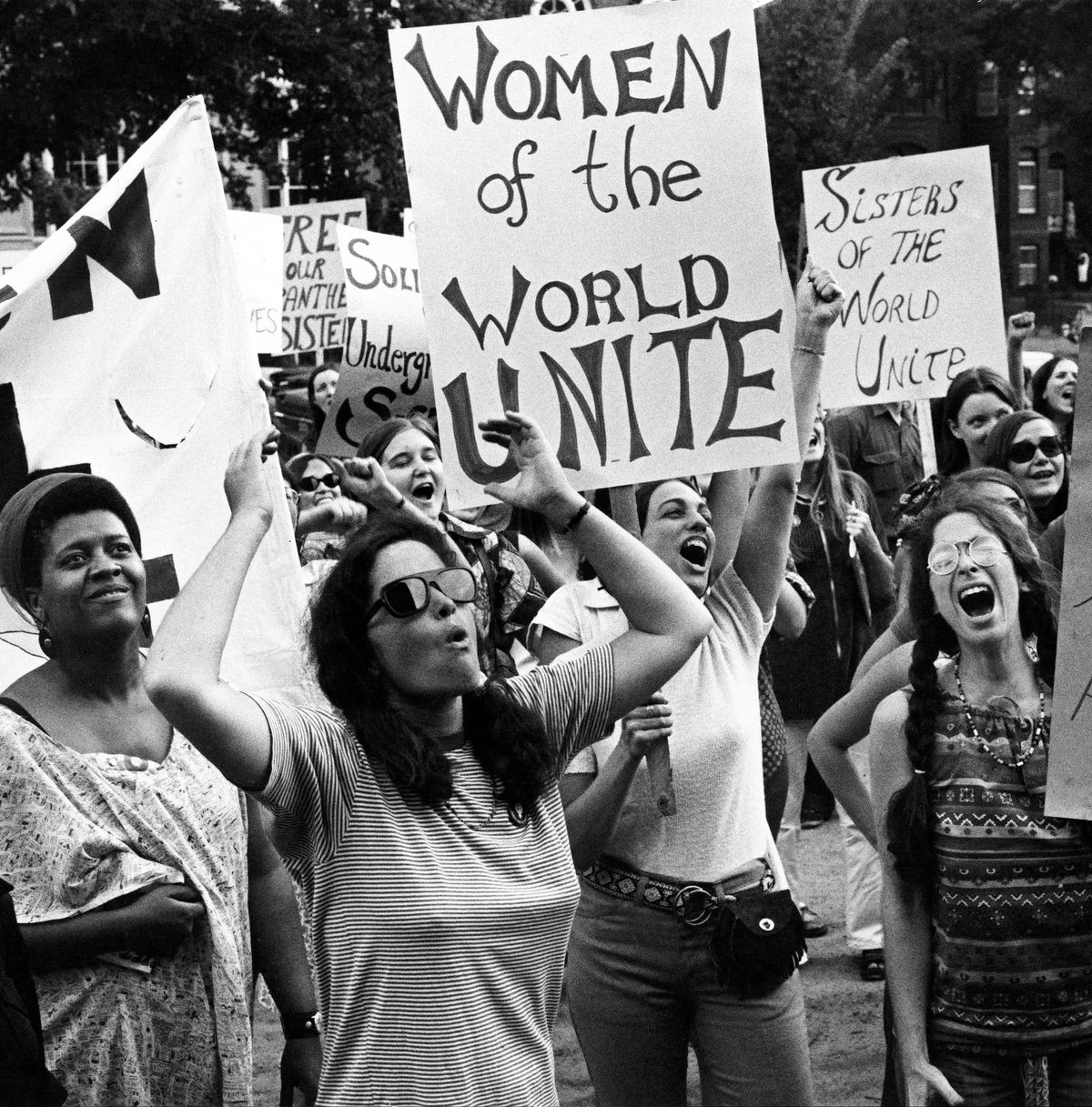
The revolutionary framework escaped economics and spread into every sphere of life. The language of oppression migrated from factories to families, from class to identity, from ownership to culture itself. Relations between men and women, parents and children, ethnic groups, nations, religions, and institutions increasingly came to be interpreted through the same binary of oppressor and oppressed. The economic revolution ended. The social revolution did not.
The problem is that our political vocabulary still belongs to the previous age.
We continue to speak in terms of Left and Right as though they primarily describe competing economic systems. Yet today's deepest disagreements are no longer about taxation, wages, or ownership. They concern identity, authority, community, family, morality, belonging, and the meaning of the human person. We are trying to understand a new civilization using the categories of an old one.
Perhaps the best metaphor is a wrecking ball.
A wrecking ball is indispensable when an old building must be demolished. It destroys efficiently. That was the historical role played by revolutionary ideologies. They dismantled rigid class systems and institutions that had become stagnant. But once the demolition is complete, the wrecking ball becomes dangerous. It cannot build. If left swinging, it simply destroys every new structure that attempts to emerge. Families, religious traditions, local communities, national identities, universities, cultural institutions, even the possibility of stable moral norms, become targets for permanent deconstruction.
The machine continues to operate long after its historical mission has ended.
This explains why contemporary politics feels so unstable. We continue to employ revolutionary tools after the revolution itself has already won. The challenge facing the twenty-first century is therefore not primarily economic. It is social.
How do we rebuild institutions after decades of permanent deconstruction? How do we preserve community without turning society itself into an object of worship? How do we recover moral purpose without replacing God with ideology or reducing every human relationship to power? These are no longer questions of capitalism versus socialism. Those battles largely belong to history.
The defining conflict of our century will instead be between two rival visions of society itself: one in which society exists to serve the human person, and another in which the individual increasingly exists only to serve society. Capital and God have merged into the Social.
The twentieth century was the century in which people died for economic ideas.
The twenty-first may become the century in which humanity discovers that economics was never the final battlefield at all.