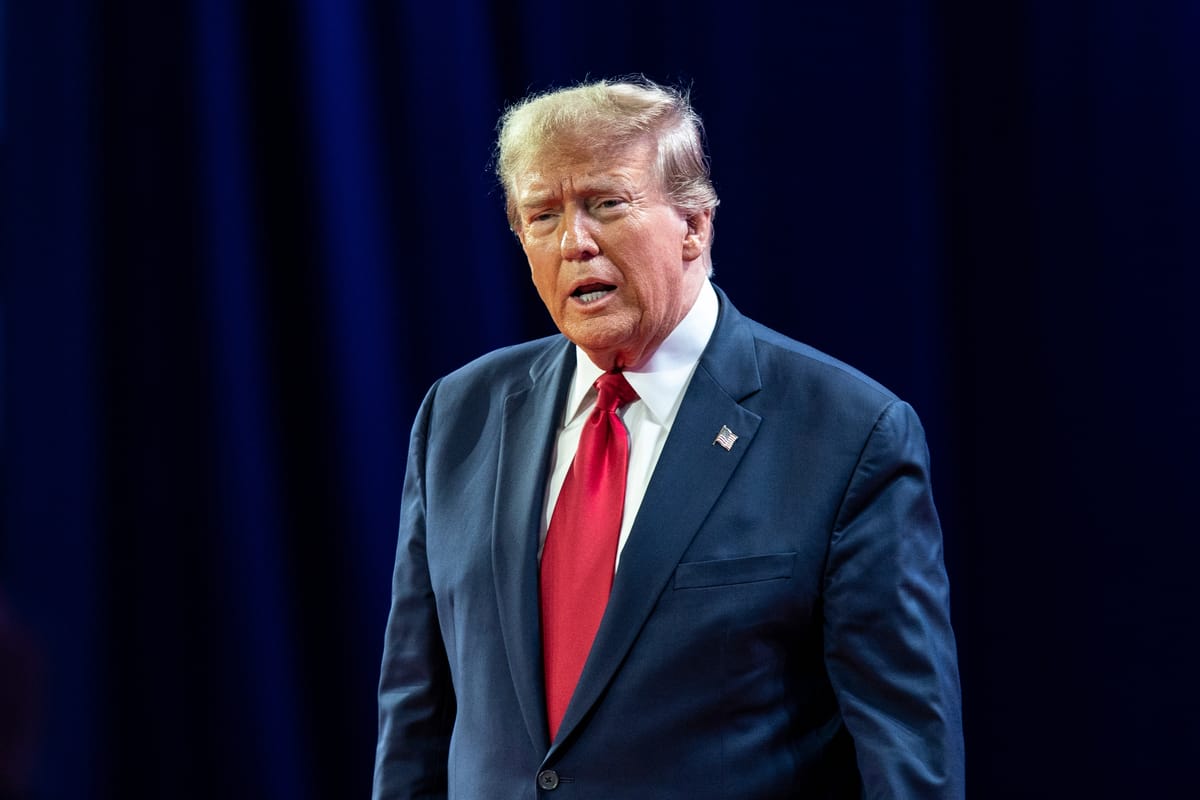
Donald Trump has always had a knack for seeing ten steps ahead of the pundits and analysts. In the current Middle Eastern theater, his maneuvers have been nothing short of a masterclass.
By utilizing the Islamabad talks and the current ceasefire to gain leverage over trade and presense in the strait, he put Iran on the defense, touting them to make a move and thus
1. Daring them into attacking, by that securing a bipartisan mandate for war - in such an event.
2. While ensuring U.S runs the passage.
3. And Creating a serious rapture within Iranian leadership.
4. All while appearing to be reasonable and flexible at the table.
Brilliant.
Furthermore, his refusal to grant Lebanon a guarantee of Israeli military inaction in exchange for a ceasefire shows a level of strategic resilience rarely seen in Washington.
However, a significant problem remains. The move toward peace talks in Lebanon appears to have been implemented simply too fast. Locally, the conditions on the ground do not yet match the grand vision being projected from the White House. One finds it hard to think of a reason to pull the peace trigger so early.
The Premature Peace
The fundamental issue is that the pressure on the relevant actors had not yet reached its breaking point.
- A Neutralized Iran: Tehran was already being sidelined and offered little resistance in Lebanon.
- The Lebanese Factor: But the government in Beirut remains a political non-entity, unable to dictate terms to any serious player.
- The Hezbollah Elephant: Beacuse there is no objective ability to force a Beirut-Peace while Hezbollah remains a potent, tangible force.
The local reality in Lebanon suggests the IDF could have continued to weaken Hezbollah further. Negotiations with a "shrunken elephant" would have yielded a far more stable long term result. By moving now, the US risks leaving a dangerous entity in the room while the ink is still wet - with no serious gains other than the goodwill and historic handshakes.
Alternative Theories of the Game
There are two other possibilities that might explain this rapid move, though both carry high risks:
- The Shared Disarmament Theory: It is possible that behind the scenes, both Israel and Lebanon have already agreed to a joint disarmament of Hezbollah as a core component of the peace treaty. However, given the cultural weight of "honor" in Lebanese and Arab politics, this remains a less likely scenario - for any such move by Beirut could lead to a civil war in Lebanon.
- The Message to Tehran: Trump may be using these talks as a demonstration to Iran. Showing the Ayatollah that he can remove their primary pieces from the chessboard. If this is the case, the talks are merely a precursor to even more intense, violent pressure if Iran does not comply.
The Bottom Line
The ultimate issue is that Lebanon is not a primary factor in the broader negotiations between Iran and the United States. No one is going to blow up a potential "Grand Bargain" between Washington and Tehran over the Lebanese border.
Trump cannot truly condition his broader strategy on Iran’s willingness to disarm its favorite proxy, especially not without Lebanon agreeing to Disarming the militia in cooperation with Israel - something that will be seen by 25% of Lebanese as a declaration of civil war..
Even if Tehran were to agree on paper, Hezbollah has absolutely no incentive to lay down its arms voluntarily.In the Middle East, a premature peace is often just a prelude to a more complicated war.