The rapid spread of artificial intelligence inside companies has intensified fears that entire professions could be at risk, but OpenAI CEO Sam Altman now says the labor-market disruption has so far been slower than he once expected.
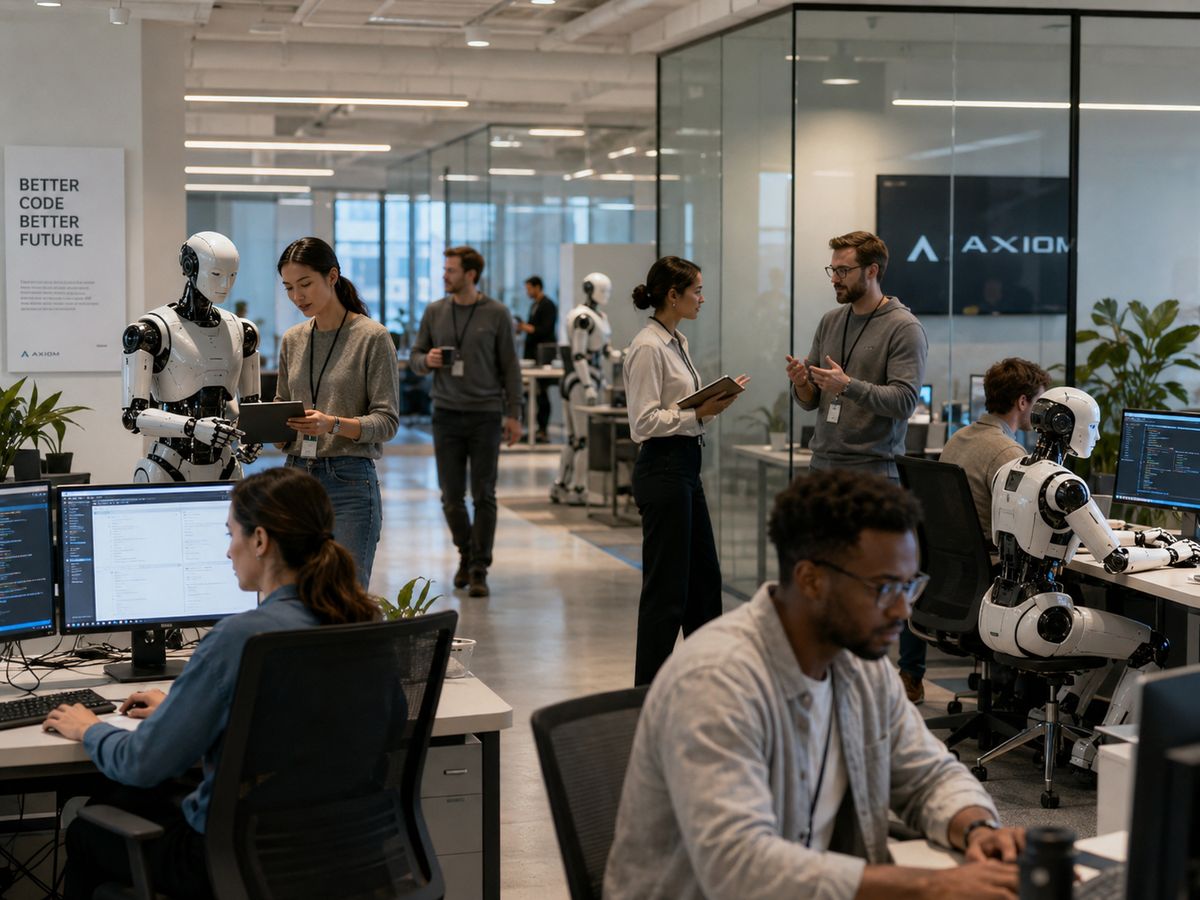
The issue is no longer theoretical. Major technology companies around the world, including firms with large operations in Israel, are reorganizing around AI. Some are slowing hiring, cutting positions and examining which tasks can be handled by software rather than employees.
In Israel, Wix has reportedly been preparing a major round of cuts, while Intuit, which also has significant operations in the country, recently announced thousands of layoffs globally as part of a shift toward AI investment.
The concern is no longer limited to programmers. Lawyers, accountants, analysts, customer-service workers, content writers and managers are all facing the same question: how much of their work can be automated?
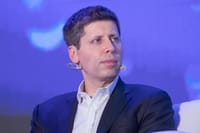
Altman, one of the central figures in the AI revolution, said this week that OpenAI had correctly anticipated the speed of technological progress, but overestimated how quickly jobs would disappear.
“I thought by this point we would see many more jobs going away,” Altman said at an economic conference in Australia. “I’m actually glad I was wrong about that.”
Still, Altman did not argue that the workplace is unchanged. He said AI is already forcing employees to produce more in less time, while companies redesign workflows around new tools. Tasks that once required entire teams can now be completed far more quickly.
That means AI may not yet be wiping out whole professions, but it is changing the value of workers, the expectations placed on them and the number of people needed inside organizations.
Altman also said one of his own experiments with AI revealed the limits of automation. He tried using AI to answer messages and emails on his behalf while clearly stating that the response had been written by a machine. The reaction showed him that people still care whether a real person is on the other side.
“We care about people, not just the information itself,” he said.
That may be the central dividing line for the AI era. Some tasks can clearly be automated. But work built around trust, judgment, responsibility and human connection is harder to replace.
The job apocalypse may not have arrived, but the shift is already underway. The question is no longer whether AI will change the labor market, but how quickly workers and companies can adapt.