Get our mobile app
Download on the App StoreGet it on Google Play

17 months in prison for checkpoint bribery

Guards jailed for smuggling illegals

Border Police took thousands of shekels to wave through vehicles without checks at Ras Bidu checkpoint during the war; at least 100 illegals smuggled in organised scheme

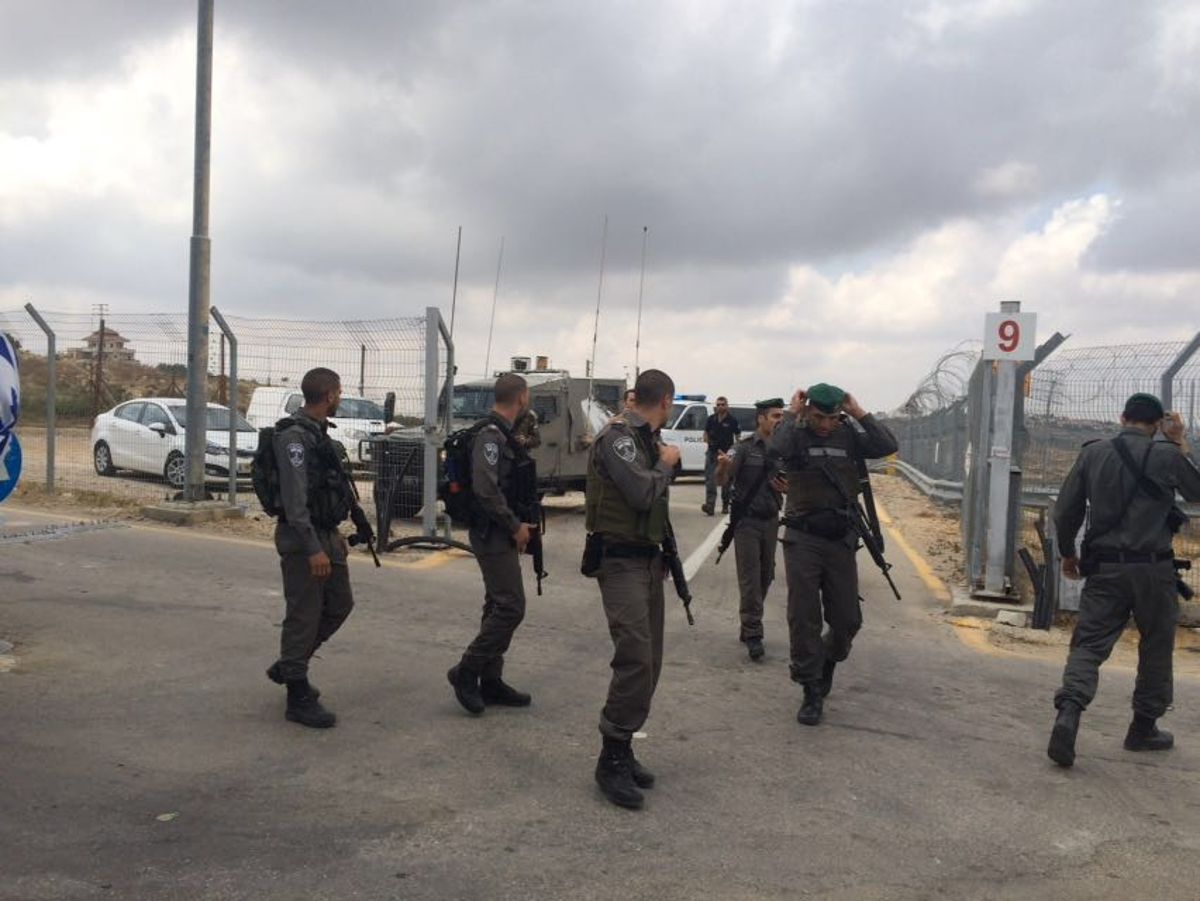
Border Police at a checkpoint. Illustration

The Jerusalem District Court sentenced four people to prison terms on Wednesday in a bribery scheme at the Ras Bidu checkpoint near Jerusalem. Border Police officers took thousands of shekels in exchange for waving vehicles through without security checks, smuggling dozens of illegal residents through the sensitive crossing.

Judge Mordechai Kaduri wrote in his ruling: "The security circumstances surrounding the offences of bribery, fraud and breach of trust serve as an aggravating factor. The risk is not limited to the number of people actually transferred, the deviation from inspection procedures at a sensitive checkpoint during wartime damaged the defence mechanism and public trust in the enforcement system."

Organised network at sensitive crossing

The scheme ran from August to November 2025 at Ras Bidu, a checkpoint in the Jerusalem sector with particularly high security sensitivity, designed to prevent Palestinian Authority residents and illegal residents from entering Israeli territory. According to the facts the defendants admitted, the criminal network operated in an organised method: civilians seeking to transport area residents without the required permits paid bribes to Border Police officers serving at the checkpoint on mandatory service.

In return for the money, the officers allowed vehicles to pass through the checkpoint without any operational inspection. The scope of the offences emerges from the conviction: the fifth defendant paid bribes totalling over 10,000 shekels to an officer, and in return at least 100 illegal residents were smuggled through the checkpoint over months. The sixth defendant paid more than 11,700 shekels to three different officers to enable multiple vehicle crossings.

The court distinguished between the roles of the four defendants. The third defendant, an officer, was convicted of taking bribes, fraud and breach of trust. According to the indictment, he joined the scheme and allowed a vehicle carrying illegals to pass in exchange for at least 700 shekels. The judge noted that although he did not initiate the scheme, his betrayal of his duty to protect the public carries particular severity.

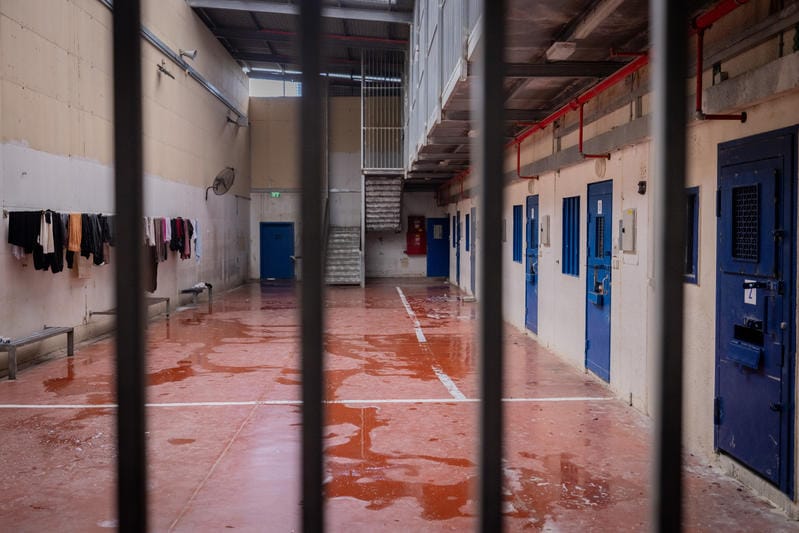
Prison. Illustration
Prison. Illustration (Photo: Chaim Goldberg/Flash90)

The first defendant, also an officer, was convicted of fraud, breach of trust and failure to perform official duty, without taking bribes. He refrained from checking vehicles belonging to his acquaintances and even approached another officer with a false claim to help them pass. The fifth and sixth defendants, civilians, were convicted of multiple offences including giving bribes and aiding illegal entry and residence.

In sentencing arguments, the prosecution emphasised the enormous security danger in their actions, especially during a time of war and multi-front combat. The defence argued that the motive was economic rather than security-related, and pointed to difficult family circumstances and the saving of judicial time through the guilty plea. Judge Kaduri rejected the defence's attempts to minimise the severity of the incident.

According to each defendant's level of involvement, the district court handed down the following sentences: the fifth and sixth defendants, who gave the bribes, were sentenced to 17 months' actual imprisonment each from the day of their arrest on 17 November 2025, a fine of 20,000 shekels each and suspended imprisonment. The third officer, who took bribes, was sentenced to seven months' actual imprisonment, a fine of 8,000 shekels and suspended imprisonment.

The first officer, who breached trust, was sentenced to 46 days' imprisonment, which he had already served during his detention, a fine of 6,000 shekels and suspended imprisonment. In addition, the judge rejected the prosecution's request to confiscate property that had not been seized in advance, ruling that even in serious corruption proceedings there is a need for precise factual and legal grounding for each punitive component.


Ready for more?

Join our newsletter to receive updates on new articles and exclusive content.

We respect your privacy and will never share your information.

Enjoyed this article?

Yes
No
Follow Us:

Unmissable content


Loading comments...

Also of Interest