Hidden Fire: Why Hezbollah’s New Long-Range Missiles Are Harder to Track
Hezbollah has significantly increased its use of the "Almas" anti-tank missile, a weapon based on an Israeli design that allows terrorists to strike targets from over 10 kilometers away without a direct line of sight.
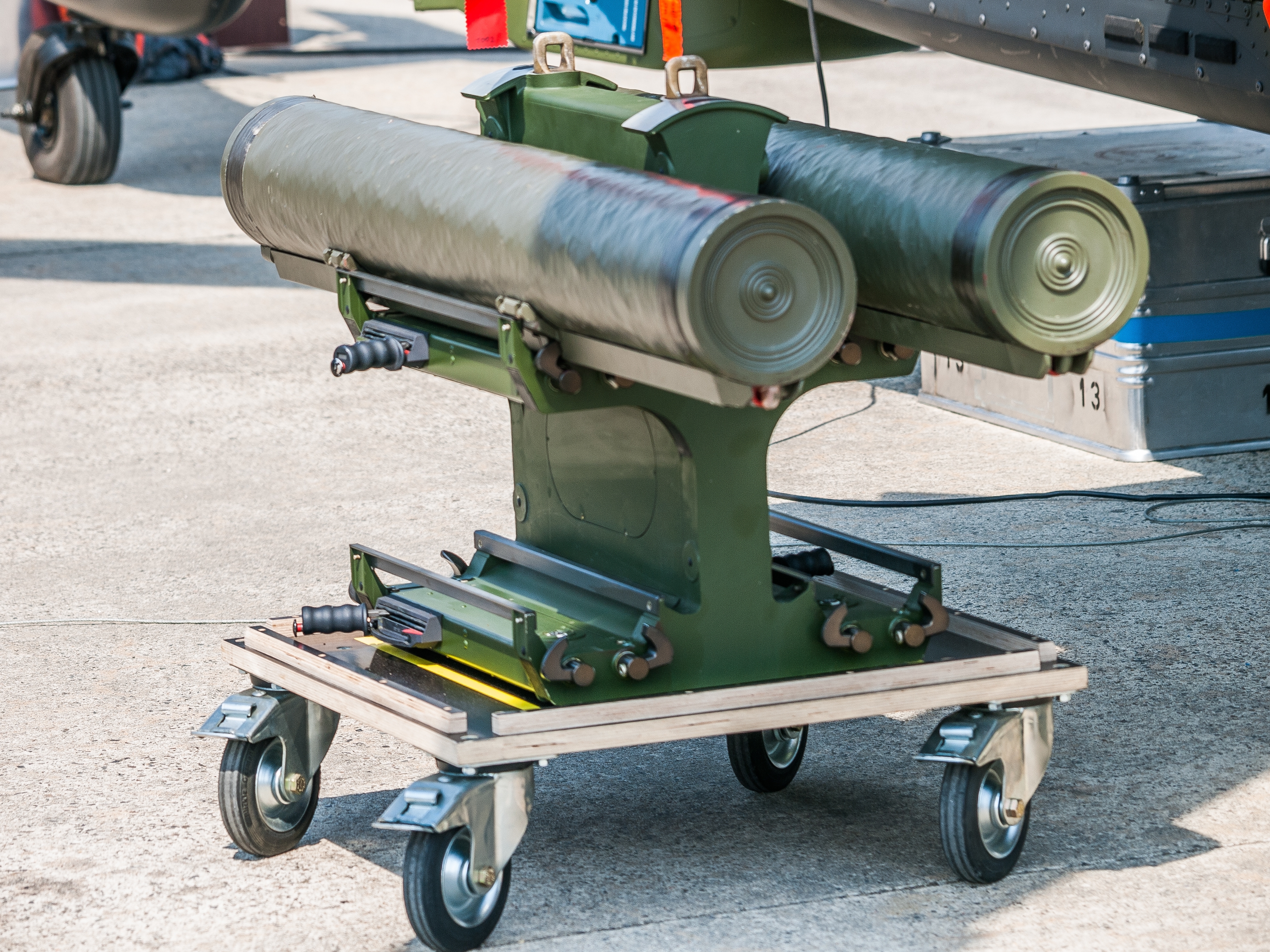
As Israeli ground forces deepen their maneuver into southern Lebanon, they are facing an unprecedented volume of anti-tank fire from Hezbollah. Military commanders on the front lines report an incredible density of missiles being launched from fortified positions, residential homes, and thick forest cover. Security officials have revealed that following the initial phases of the war, the Iranian backed terrorist organization conducted a thorough investigation of its tactical failures, leading to a massive surge in the deployment of long range, precision weapons. Chief among these is the "Almas" missile, which is reportedly based on the reverse engineered technology of the Israeli Spike missile, posing a unique challenge to IDF armor and surveillance.
A Lethal Evolution of Anti-Tank Fire
The Almas (Persian for "Diamond") has become the cornerstone of Hezbollah’s current defensive strategy. Unlike older systems like the Cornet or the Fagot, the Almas is equipped with a television guidance system, meaning the operator does not need a direct line of sight to the target. This allows the missile to be launched from behind ridges or deep within cover, hitting tanks and armored personnel carriers from above. The Iranian defense industry has produced multiple versions of the missile, with the most advanced "Almas 3" reportedly capable of reaching targets at ranges exceeding 10 kilometers. This increased range makes it extremely difficult for Israeli aircraft or ground spotters to locate and neutralize the launch teams before the missile is fired.
The intensity of this threat has led to calls from Israeli field commanders for increased artillery and aerial support to suppress launch sites. While the IDF continues to advance, the sheer variety of the anti-tank arsenal, which also includes the American-style Toophan and the Russian-designed Cornet, has turned every meter of the Lebanese landscape into a potential kill zone. Hezbollah’s ability to strike from such long distances and from hidden positions represents a significant shift in their combat capabilities. As the war progresses, the IDF is forced to adapt its defensive measures, including active protection systems on tanks and intensified surveillance, to counter a weapon that was originally designed in Israel and then turned against its own creators by the Iranian regime.