The Hormuz Factor: Why Iran’s Naval Threat Might Secure a Lebanon Ceasefire
Diplomatic efforts in Islamabad and intense Iranian pressure involving the Strait of Hormuz have significantly raised the chances of a ceasefire being declared in Lebanon to facilitate broader negotiations.
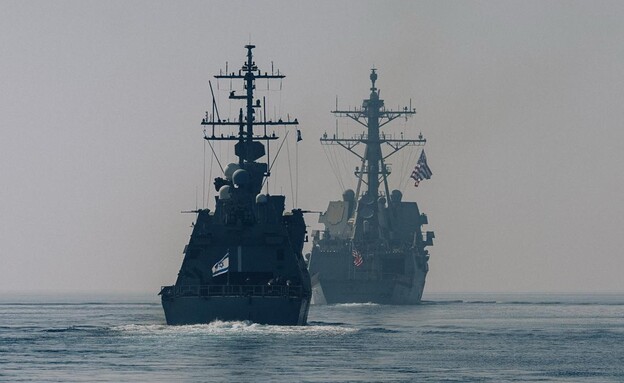
The likelihood of a ceasefire in Lebanon has reached a critical high as international mediators work to align the northern front with ongoing negotiations between the United States and Iran. According to reports from the Lebanese Al-Jadeed network, the primary objective of this potential halt in hostilities is to create the necessary diplomatic space for high level talks currently taking place in Islamabad. A senior Hezbollah source indicated that Iran has been actively lobbying participants in the Pakistani led negotiations to ensure Lebanon is included in any regional truce. This strategic shift suggests that the broader regional war may see a temporary pause as the primary actors attempt to reach a diplomatic settlement.
Leverage and Red Lines
The push for a ceasefire is reportedly being driven by Iran’s use of its strategic influence over global shipping lanes, specifically the Strait of Hormuz. Analysts suggest that the threat to maritime trade has become a powerful card in securing concessions that include a cessation of Israeli strikes in Lebanon. While Lebanese officials have confirmed they are aware of these efforts, they note that the specific timing and duration of a truce would likely mirror the ceasefire arrangements between Washington and Tehran. The goal is to provide the Lebanese government and the international community with a window to implement a more permanent security arrangement that could prevent the resumption of the war.
Despite the optimistic reports from Beirut and Tehran, the situation on the ground remains tense. In Israel, the government has officially rejected claims of an imminent deal, maintaining that no decision has been reached to hold fire. Prime Minister Netanyahu’s administration has faced pressure from northern local authorities who demand a long term security solution rather than a temporary "industrial quiet." Local leaders in the Galilee have even warned residents to prepare for immediate rocket barrages, fearing that Hezbollah may launch a final, heavy strike before any ceasefire takes effect. As the United States continues to exert heavy pressure on Israel to accept a temporary halt, the diplomatic world is waiting to see if the Iranian leverage will indeed result in a silent front.