Moshe Shapira: On Losing My Son Aner
As Israel enters Memorial Day 2026, Moshe Shapira, architect, illustrator, and father of Aner Shapira, shares the painful journey of navigating grief through art. From the "hero of the bomb shelter" to the struggle of sketching a son’s face, Shapira reveals how creative projects keep a fallen soldier’s light shining long after the stars have faded.
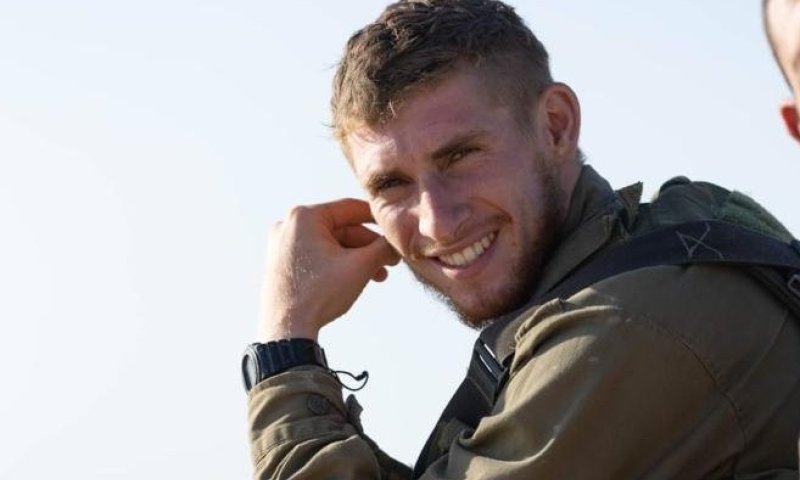
For Moshe Shapira, the loss of his son Aner, the hero who saved numerous lives by tossing back grenades at a bomb shelter on October 7, was a moment where time stood still. "Losing a child stops everything," he shares. "It’s a bit like the whole world looks upside down. Like taking someone's glasses off, nothing looks the same anymore."
Art, once an integral part of his life as an architect and illustrator, was the first casualty of his grief. "Drawing is something you do out of joy, and it was the first thing I stopped doing," he recalls. However, out of that void, a new, almost obsessive urge was born. Today, he carries a notebook everywhere, drawing constantly, returning to the landscapes of his childhood and his son’s life.
The Last Dialogue: Illustration as a Lifeline
The bond between Moshe and Aner was always forged through paper and pencil. Aner himself was a gifted illustrator, and the two shared a "professional dialogue" - sending each other works, consulting, and exchanging critiques.
When Moshe decided to return to drawing, it wasn't easy. "I forced myself to draw," he admits. "It was hard, truly, with a desperate lack of will." The turning point came when he realized his illustrations touched people worldwide. He has since illustrated two books and opened an exhibition, but his greatest challenge arrived when he was asked to illustrate Aner himself for a book dedicated to his memory and that of his close friend, Hersh Goldberg-Polin.
"I made 30 attempts already. I had a block; I couldn't illustrate Aner. I, who had illustrated him since he was a child, was unable to do it. In the end, my wife and children said the illustration I did was worthy, but I had almost given up."
"Texture of Life": Empowering Bereaved Families
Moshe does not settle for his own personal healing. Through the "Texture of Life" (Rikmat Chaim) project, he connects artists with bereaved families to create joint works following their loss. He recently illustrated a tribute to the fallen soldier Hillel Ovadia HY'D.
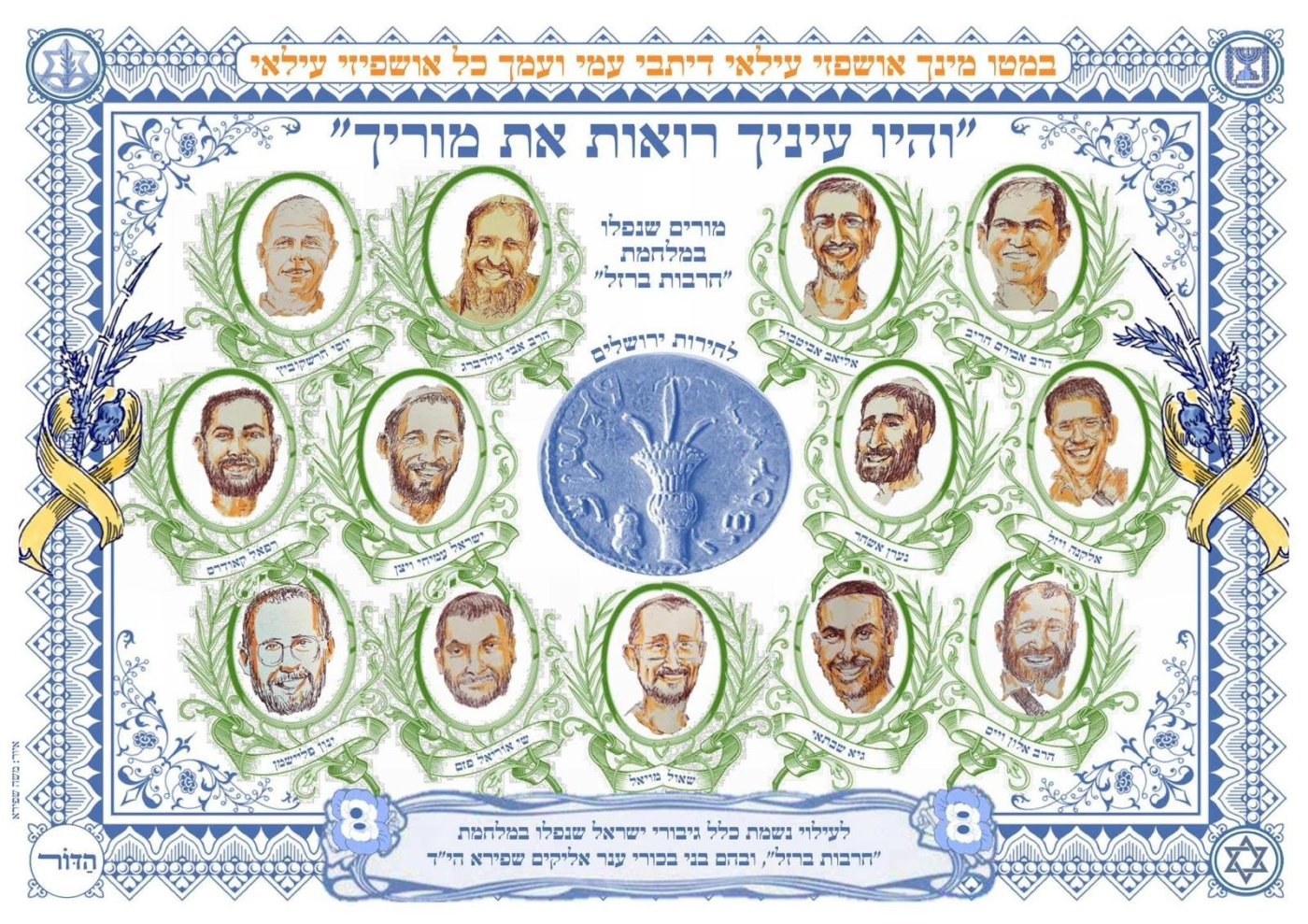
Another project that gained significant resonance featured the figures of religious education (Hemed) educators who fell in battle; these illustrations were distributed in cafes and Sukkot across the country.
"I realized there is power in creation," he explains. "We try to continue the legacy, not just in music, but in illustrations, shirts, and books. Even though the physical presence is gone, I liken it to the light of stars: even when they no longer exist in the galaxy, their light continues to shine. The same is true for the creations of people."
A Legacy in Song and Art
This week, a song Aner wrote was re;eased, featuring the legendary Yehudit Ravitz on backing vocals.
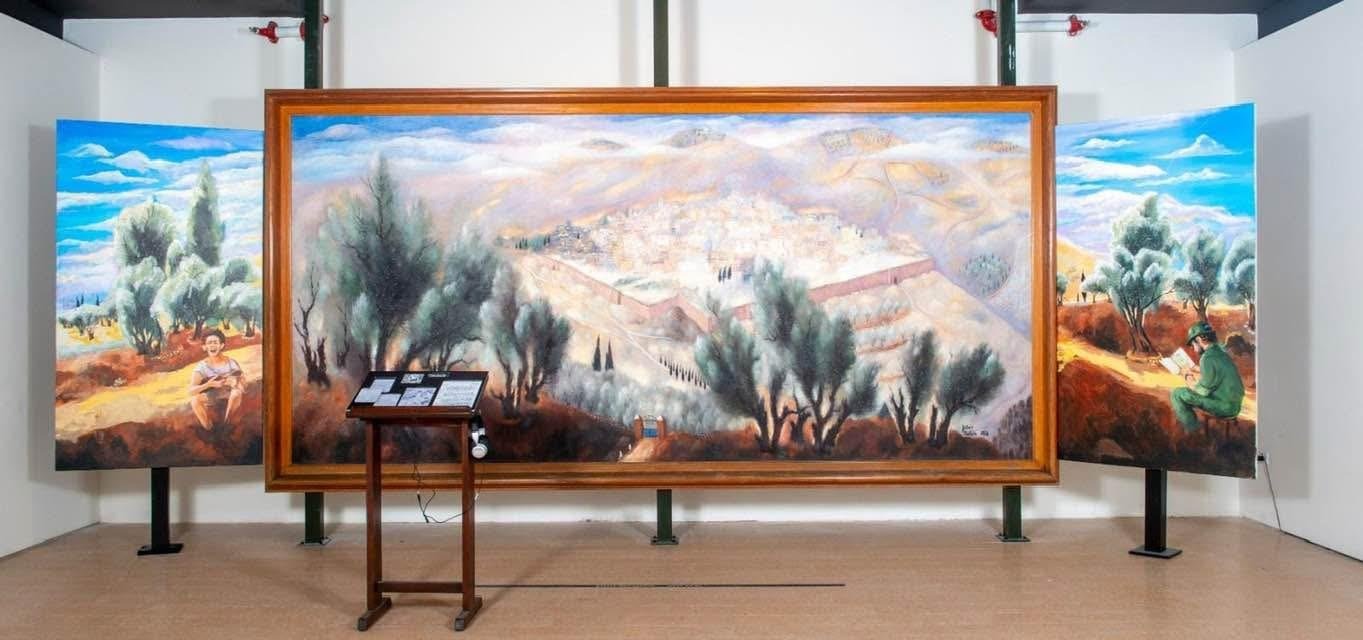
For Moshe, every project, whether it is a song, a large-scale drawing of Jerusalem, or a small sketch in a notebook, is a way to maintain a living connection with his son.
Tonight (Monday), for the eve of Memorial Day, Moshe Shapira will host a memorial event at the Schechter Institute for Jewish Studies in Jerusalem titled "Not for Nothing was it Created, for Dwelling it was Formed," discussing how to cope with bereavement through the lens of art.