RUSSIA WARNS OF A TRAP: The US-Iran Peace Deal is a "Smokescreen" for an All-Out Ground Invasion of Iran
Moscow issues a chilling alert: Russia’s Security Council claims the U.S. and Israel are using ongoing peace talks as a strategic cover to prepare for a massive ground invasion of Iran. With elite paratroopers, Delta Force, and a nuclear carrier strike group moving into position, Russia warns that the current ceasefire is merely the "calm before the storm."
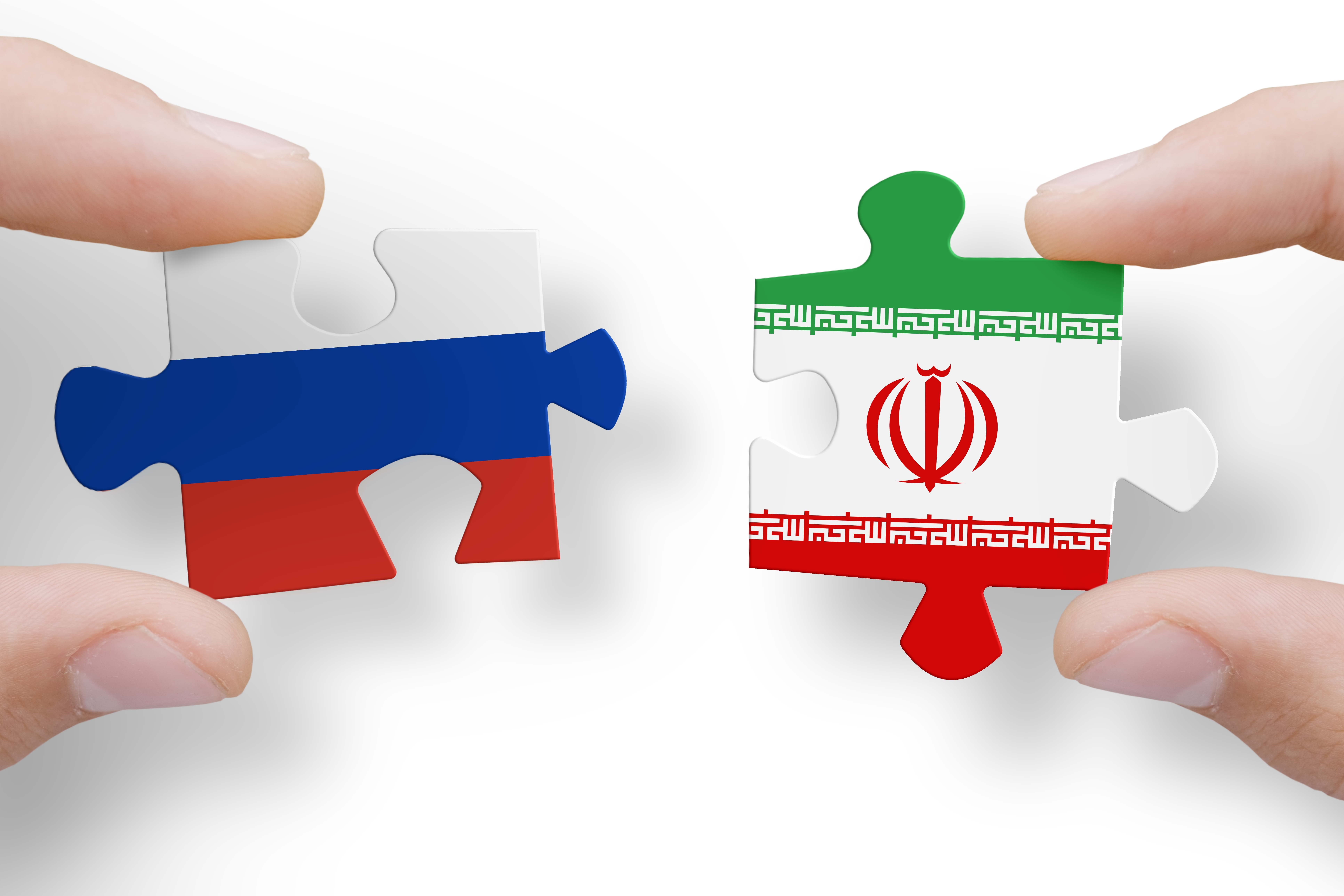
Russia’s Security Council has publicly warned that the United States and Israel may be exploiting ongoing peace negotiations and a fragile two-week ceasefire as a smokescreen to prepare for a possible ground military operation against Iran.
In a statement issued Tuesday and widely reported yesterday, the Russian Security Council claimed that the Pentagon continues to build up American forces in the Middle East even as diplomatic efforts are underway.
“The United States and Israel can use the peace talks to prepare for a ground operation against Iran, as the Pentagon continues to increase US troop numbers in the region,” the council said.
Key Claims in the Statement
The council added that if the current US-Iran talks fail to produce results, hostilities could resume “with greater intensity” once the ceasefire expires.
The warning comes amid a tenuous ceasefire that began on April 8, 2026, following US and Israeli airstrikes on Iran that started in late February. The truce was mediated by Pakistan and includes provisions for reopening the Strait of Hormuz. Separate negotiations between the US and Iran have taken place in venues including Islamabad, though recent rounds have shown limited progress.
Russia, a close partner of Iran, has consistently criticized US and Israeli actions in the conflict. The Security Council also noted that Iranian state and military institutions remain stable and that Tehran still possesses a significant weapons arsenal.
No immediate comment from the US or Israeli governments directly addressing the Russian accusation has been reported. US officials have previously described the military presence in the region as defensive and deterrent in nature, aimed at protecting shipping lanes and allies.
This latest Russian statement fits into a broader pattern of information warfare surrounding the 2026 Iran conflict, where both sides accuse the other of bad-faith diplomacy.
The situation remains highly fluid, with the two-week ceasefire window now approaching its midpoint. Any escalation could have major implications for regional stability, oil markets, and international shipping through the Strait of Hormuz.