Trump’s "Not a Bluff" Ultimatum: US Envoy Dispatched for Secret Iran Meeting
Regional mediators are working feverishly to arrange a critical meeting in Ankara between a top U.S. envoy and Iranian officials, as President Trump keeps the military option on the table to ensure a nuclear-free deal.
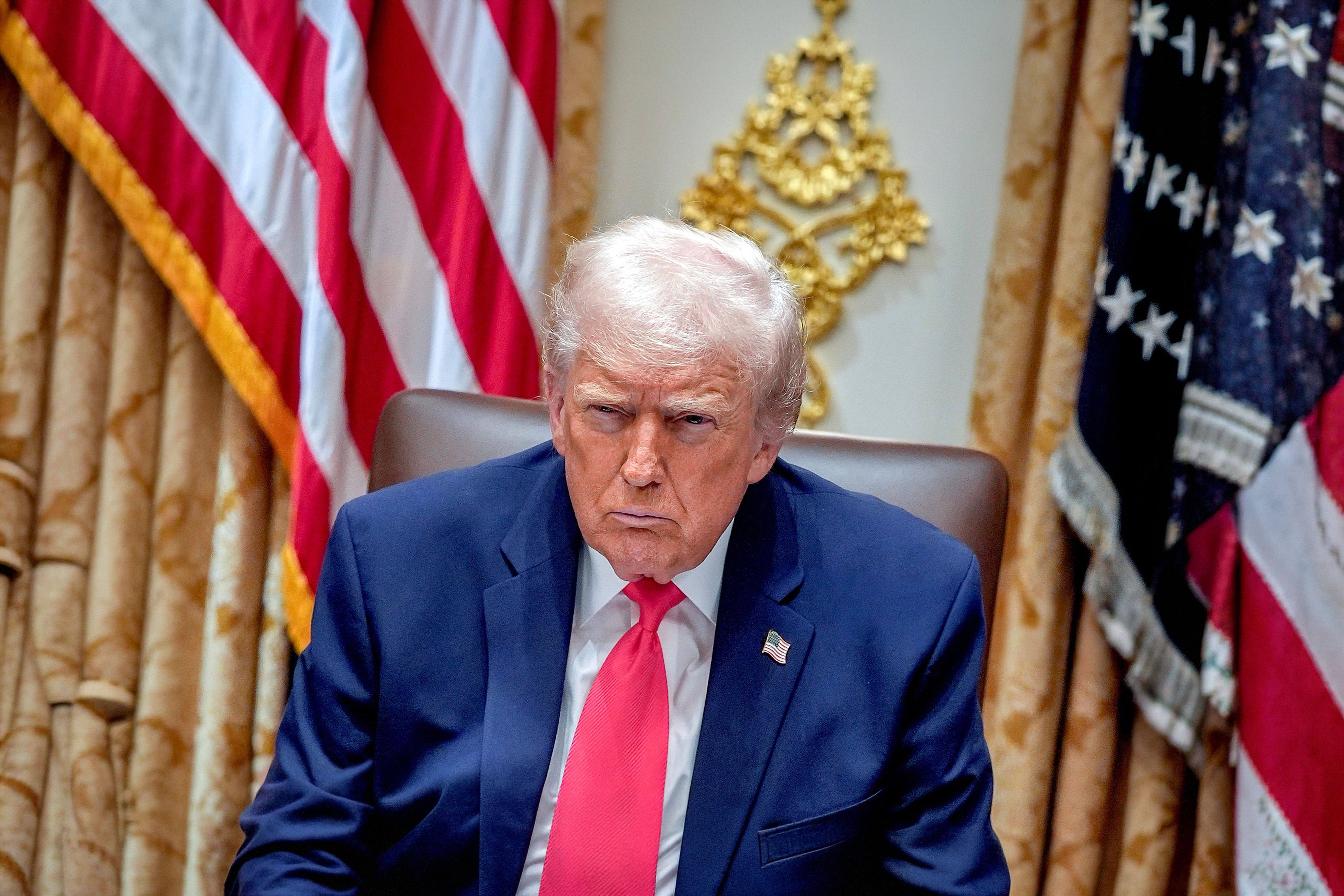
In a final attempt to prevent an all-out regional war, Turkey, Egypt, and Qatar are coordinating an emergency diplomatic push to bring the United States and Iran to the negotiating table in Ankara this week. White House special envoy Steve Witkoff is expected to represent the Trump administration in talks with senior Iranian officials, a move that follows a flurry of back-channel messages sent through regional intermediaries. While President Donald Trump has deployed a massive naval armada to the Persian Gulf, White House officials emphasize that his preference remains a diplomatic solution that permanently eliminates Iran's nuclear weapons program. The stakes could not be higher, as Israeli military leaders simultaneously prepare for the possibility that these talks may fail, predicting a potential American strike within the coming weeks if the regime in Tehran refuses to compromise.
The Ankara Summit and Regional Mediation
The diplomatic effort involves a rare level of coordination between Ankara, Cairo, and Doha, three capitals that have previously worked with the Trump administration on ceasefire efforts in Gaza. These nations are now shifting their focus toward building trust between Washington and Tehran to avoid a direct confrontation. "It is moving forward. We are making our best efforts," stated a senior official from one of the mediating countries. The momentum for these talks accelerated following a visit by Qatari Prime Minister Sheikh Mohammed bin Abdulrahman Al Thani to Tehran, where he held intensive discussions with Ali Larijani, a key advisor to Supreme Leader Ali Khamenei.
Shortly after these meetings, Larijani indicated that the regime might be softening its public stance. "Contrary to the atmosphere being created by artificial media warfare, the formation of a structure for negotiations is underway," he wrote on social media. This was echoed by Iranian Foreign Minister Abbas Araghchi, who told CNN that "friendly countries" are making "fruitful" efforts to rebuild confidence. Araghchi suggested that an agreement is achievable in a short period if the U.S. pursues a "fair and equitable" deal focused solely on nuclear capabilities, though he maintained that Iran’s ballistic missile program remains non-negotiable.
The Military Shadow and Israel's Preparations
Despite the talk of diplomacy, the threat of war remains a central part of the administration's strategy. President Trump, speaking to reporters on Air Force One, confirmed that Iran is "talking to us seriously," but he was clear that the massive fleet currently in the region is not a bluff. "I hope they negotiate something that’s acceptable, without nuclear weapons and the like, they have to do it," Trump said. This duality of "war or diplomacy" was underscored by a low-profile visit to Washington by IDF Chief of Staff Eyal Zamir. General Zamir met with the Chairman of the U.S. Joint Chiefs of Staff, General Dan Caine, to synchronize defense and offense plans should the Ankara talks collapse.
Israeli military assessments suggest that while a strike is not imminent in the next few days, the window for an American attack is likely between mid-February and early April. "This is a period of uncertainty," Zamir reportedly told colleagues, noting that the U.S. is keeping its specific decision-making close to the vest. As the Supreme Leader Ali Khamenei continues to use hardline rhetoric in public, calling the U.S. an entity that wants to "devour" Iran's resources, the world is waiting to see if he will authorize his diplomats to finalize a deal. With the "gates of hell" hovering just a few missteps away, the upcoming Ankara meeting may be the last exit before the region descends into a much larger war.