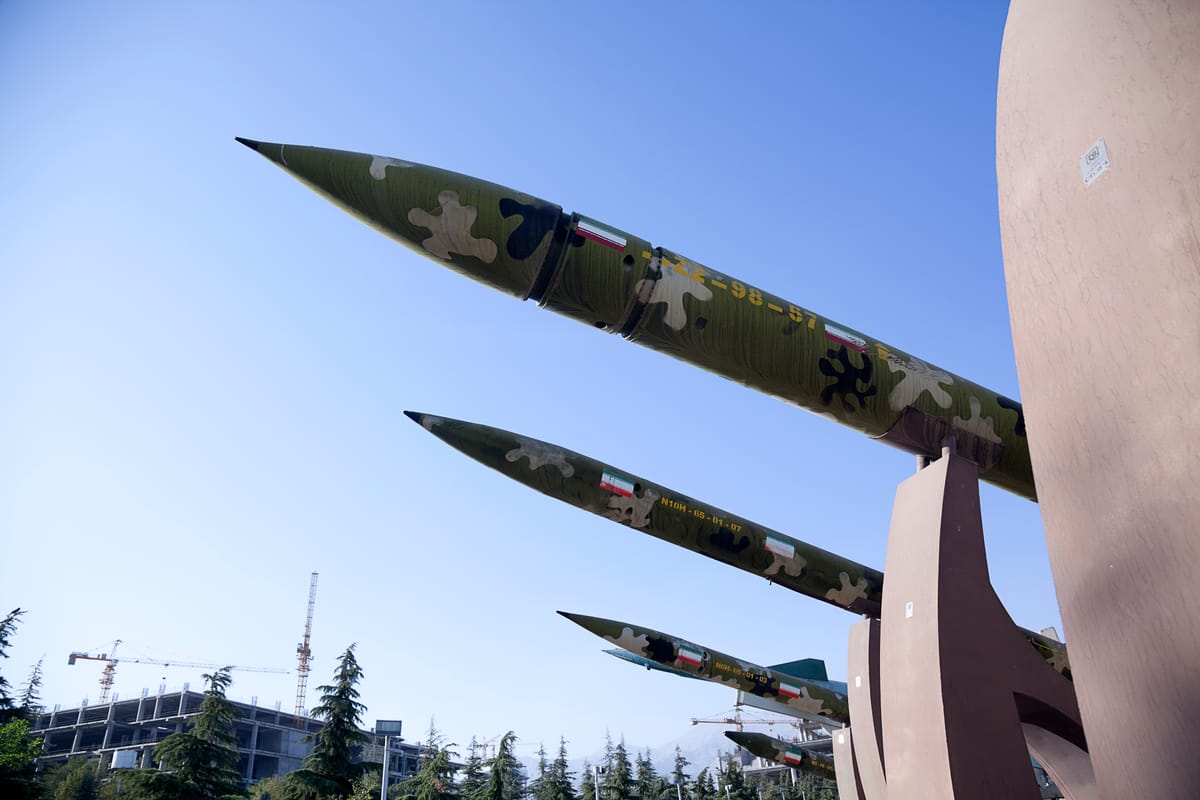
In a series of high-stakes "flash visits" to Washington, the top tier of Israel's defense establishment has delivered a blunt warning to the Trump administration: do not fall for Tehran's diplomatic illusions. IDF Chief of Staff Eyal Zamir, accompanied by future Air Force Commander Omer Tishler, spent the weekend in intensive discussions with American counterparts to coordinate intelligence and potential strike plans. The core of the Israeli message is that the Iranian regime is currently utilizing a "smoke and mirrors" strategy, pretending to be open to negotiations merely to buy time. Security officials in Jerusalem are concerned that even the act of entering a negotiating room with the Ayatollahs would be a victory for Iran, allowing them to stall American military action while continuing to develop ballistic missiles with help from Russia and China.
The Three Pillars of a "Real" Deal
Israel has presented the United States with three non-negotiable threshold conditions for any agreement to be considered successful. First, the total dismantlement of the nuclear program, second, the complete cessation of ballistic missile development, and third, an end to all support for regional terrorist proxies. Israeli intelligence shared during these meetings highlighted recent Iranian efforts to rehabilitate their missile production lines following the damage sustained during the "With Lionheartedness" war.
The concern in Jerusalem is that the current diplomatic tracks mediated by Oman, Turkey, and Qatar will lead to a "bad deal" that leaves Iran’s regional terror network intact. "Be careful of Tehran's mirage," was the recurring message from the Israeli delegation. Senior IDF officers believe that the Iranian regime’s current level of self-confidence makes them unlikely to negotiate in good faith. Instead, they argue that for negotiations to begin from the "correct angle," the United States may first need to carry out a preemptive military strike to shatter the regime’s sense of security.
Military Reality and Strategic Risks
While the U.S. continues to pour naval and aerial assets into the Middle East, including advanced radar and air defense systems, Israel is pushing for a clear definition of objectives. Military experts in Israel warned their American peers that if the ultimate goal is regime change rather than just containment, the current force buildup, while massive, is still insufficient. Achieving air superiority over Tehran, as was done during previous operations, is a major challenge that requires an even larger concentration of force.
The Israeli defense establishment views this moment as a "historic opportunity that may not return." They fear that if Washington settles for a partial agreement, the U.S. will eventually withdraw its carrier groups from the region, leaving Israel to face a nuclear-capable Iran that has spent the "negotiation period" arming itself with sophisticated Russian and Chinese weaponry. For Israel, the very prospect of official negotiations is seen as a strategic loss, as it relieves the immediate military pressure that is currently the only thing keeping the regime in check. As Trump weighs the choice between a direct strike and the diplomatic channel, the IDF is keeping its own attack plans ready, with Air Force Commander Tomer Bar remaining in Israel to finalize the details of a potential independent campaign.