
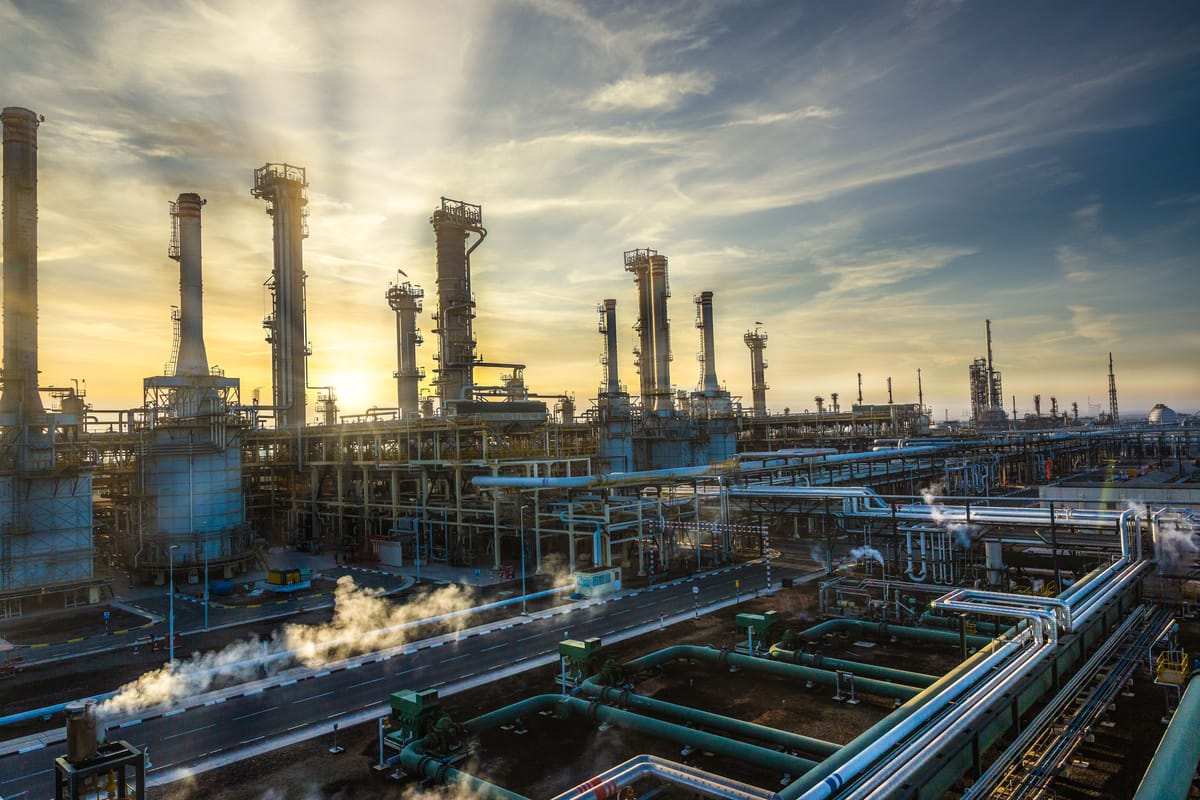
The war with Iran has entered a new phase, with energy infrastructure now a central target and global oil prices surging in response.
Iran launched missile and drone strikes across the Gulf on Wednesday night, hitting key energy sites in Saudi Arabia and Qatar after Israel struck Iran’s South Pars gas field earlier in the day. The field is responsible for roughly three-quarters of Iran’s gas production, making it one of the most critical energy assets in the region.
In Qatar, a strike hit Ras Laffan Industrial City, a major liquefied natural gas hub, with authorities reporting extensive damage. In Saudi Arabia, air defenses intercepted multiple missiles over Riyadh, but debris injured civilians near an oil facility south of the capital.
Tehran made clear the attacks were not isolated retaliation but part of a broader strategy. Iranian officials warned that fuel, oil, and gas infrastructure across the region are now considered legitimate targets, signaling a shift toward direct economic warfare.
Markets reacted immediately. Brent crude surged past $112 a barrel as traders priced in the growing risk of sustained disruption to supply. The spike reflects not just damage already done, but fears of further strikes on production sites, export terminals, and transport routes.
The Strait of Hormuz remains a central concern. A significant share of the world’s oil passes through the narrow waterway, and continued Iranian pressure there has heightened concerns about shipping disruptions. Even the threat of interference has been enough to rattle markets.
Iran has also moved to tighten pressure through exports, cutting gas flows to Iraq, which relies heavily on Iranian energy. The step highlights Tehran’s willingness to use supply itself as a weapon alongside strikes on infrastructure.
The combination of attacks on major energy assets, threats to shipping lanes, and supply cuts has transformed the conflict into something broader than a conventional war. Energy is now a primary battlefield, with consequences that extend far beyond the region.
At this stage, the key question is no longer whether prices will spike, but how sustained and severe the disruption will become if the targeting of oil and gas infrastructure continues.