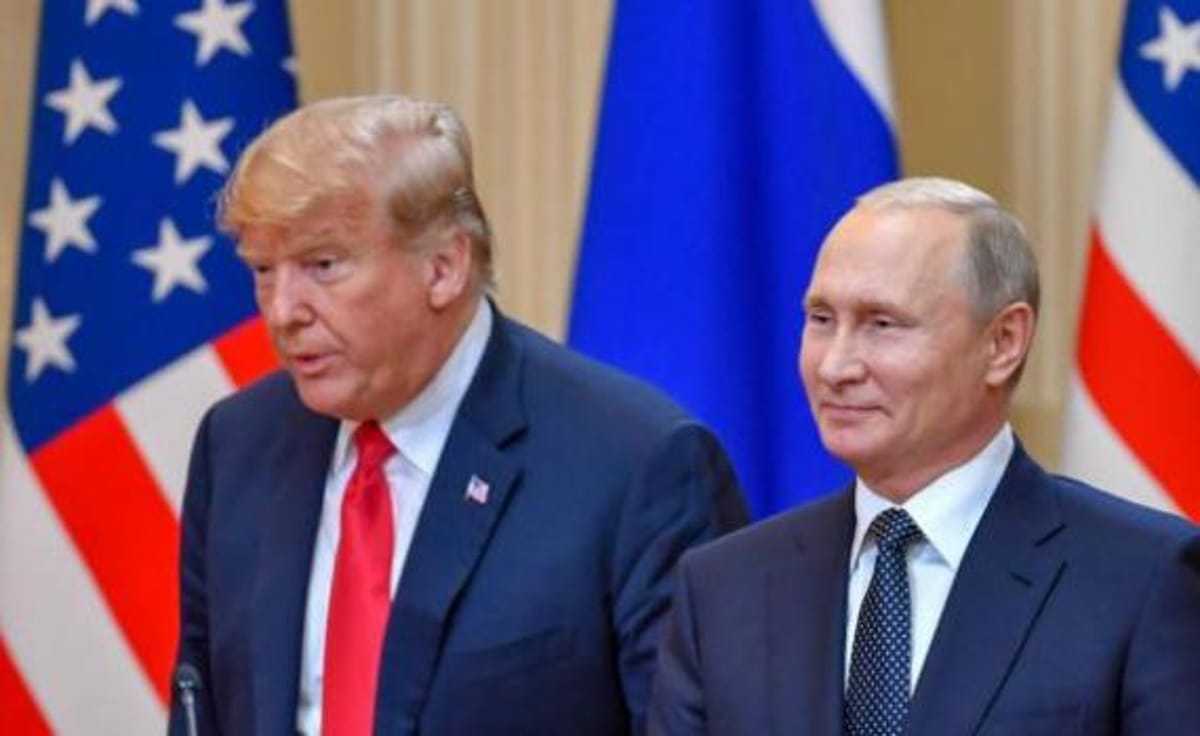
On the first day of the war, Russian President Vladimir Putin condemned the killing of Iran’s Supreme Leader Ali Khamenei, calling it a “cynical murder” that violated international law.
Despite the sharp rhetoric, Moscow has taken a relatively restrained public stance since the start of the conflict, beyond reportedly providing intelligence support to Iran. Analysts say the Kremlin appears to be benefiting economically from the war while avoiding deeper direct involvement.
Rising global energy prices driven by the conflict have significantly increased Russian oil revenues. Estimates suggest Moscow is now earning up to $150 million per day in additional budget income from oil taxes, potentially generating between $3.3 billion and $4.9 billion by the end of March alone.
The gains come after a weaker start to the year for Russia’s energy sector, which had been affected by lower prices and reduced sales, particularly to India under US pressure. The March surge is expected to offset part of those losses and could amount to roughly one-third of Russia’s monthly military spending on the war in Ukraine.
At the same time, the United States has temporarily eased some restrictions on Russian oil, allowing certain shipments previously stranded at sea to be purchased. The move is intended to stabilize global markets but has raised concerns among Western officials about weakening sanctions pressure on Moscow.
The Iran conflict is also affecting military supply chains tied to Ukraine. Western air defense systems, including Patriot missiles, are being redirected to protect US forces and regional partners in the Middle East, limiting availability for Kyiv. European officials have warned that Ukraine could face shortages in the coming months if the situation continues.
However, the longer-term impact on Russia is less clear. Iran has been an important supplier of drones used by Moscow in Ukraine, and continued instability could disrupt that relationship. Iran also plays a role in key trade routes that help Russia bypass Western sanctions.
Within Europe, the war has reignited debate over energy policy and relations with Moscow. Some leaders have suggested reconsidering ties with Russia in exchange for cheaper energy, though others continue to push for stricter enforcement of sanctions and increased military and financial support for Ukraine.
The European Union is currently working to advance a new sanctions package targeting Russian energy exports, alongside a proposed €90 billion loan to Kyiv, though internal disagreements have delayed progress.
Officials say the broader concern is that the Iran conflict, while geographically separate, could shift economic and military dynamics in ways that indirectly strengthen Russia’s position in its ongoing war against Ukraine.