Strategic Air Force Expansion

Sky-High Ambition: Outgoing IAF Chief Orders Massive Surge in Pilot Ranks to Meet War Demands

Major General Bar instructs gradual increase in flight course graduates • Move addresses pilot burnout from multi-front warfare | Strategic shift for air superiority (Israel News)

Tomer Bar
Tomer Bar (Photo: Moshe Shai / Flash90)

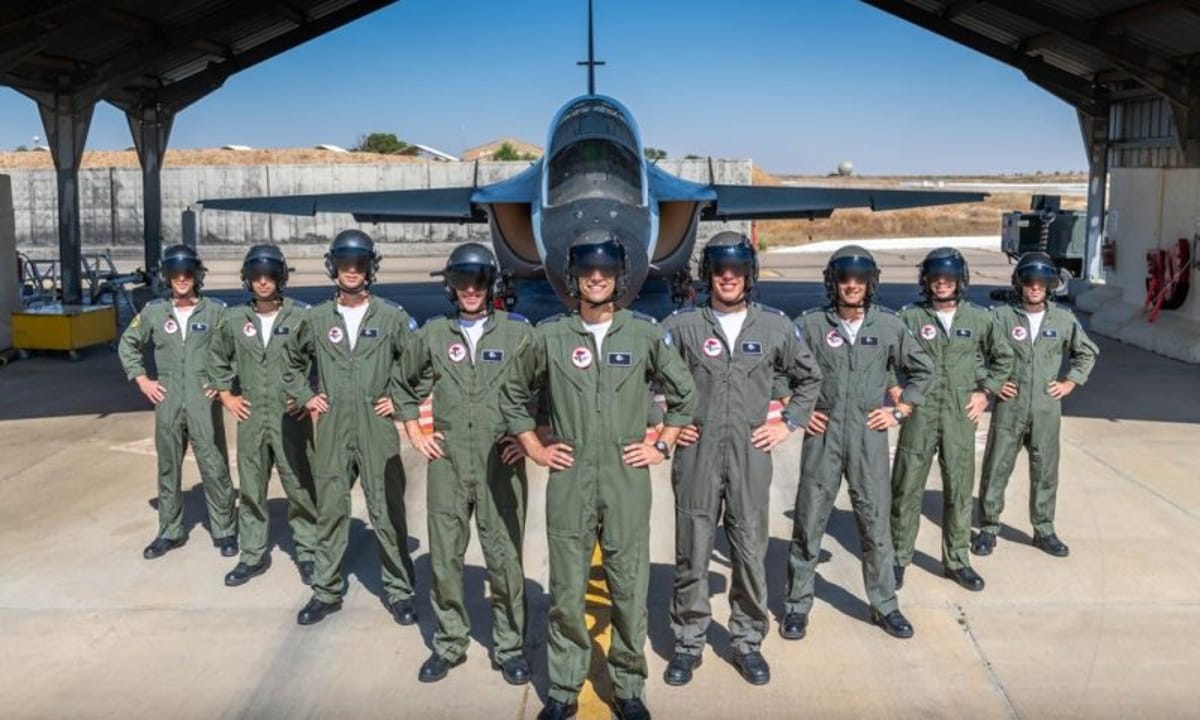
In one of his final acts as commander of the Israeli Air Force, Major General Tomer Bar issued a directive that will reshape the service's pilot training pipeline for years to come. The outgoing commander, who retires today after leading the IAF through unprecedented multi-front operations, has instructed the force to gradually increase the number of pilots and navigators graduating from the prestigious flight course.

The decision comes as a direct response to lessons learned during Operation Swords of Iron, when IAF crews routinely flew grueling multi-hour sorties and, on the same day, conducted additional strikes in Lebanon or Gaza. This created significant strain on air crews and highlighted a critical need for structural changes in force composition.
Addressing Combat Burnout

According to military correspondent Shai Levy of Mako, the intensive operational demands during the war revealed critical gaps in the ratio between available pilots and operational aircraft. IAF crews found themselves executing extended missions across seven different fronts - Gaza, Judea and Samaria, Syria, Lebanon, Yemen, Iraq, and Iran - often with minimal rest between sorties.

The sustained operational intensity led to what military analysts described as significant crew fatigue, prompting a comprehensive review of the Air Force's long-term personnel requirements. The analysis concluded that increasing the pilot-to-aircraft ratio would enhance operational flexibility, reduce individual crew burden, and maintain combat readiness over extended periods.

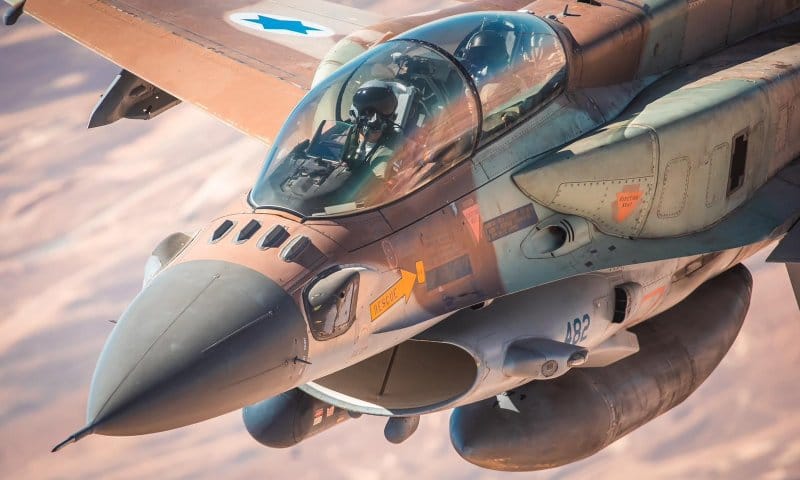
IAF jet on the way to attack Iran
IAF jet on the way to attack Iran (Photo: IDF Spokesperson)

Three-Year Implementation Timeline

The expansion directive calls for a phased approach to enlarging the flight course over a three-year period. This gradual implementation will require substantial adjustments to the IAF's training infrastructure, including modifications to instructor staffing, screening systems, and technological resources. Military officials emphasized that while the expansion is significant, it will unfold incrementally rather than through immediate dramatic changes.

The move aligns with broader strategic planning within the IDF, which includes preparations for future high-intensity operations and the acquisition of additional fighter squadrons. The Ministry of Defense has already approved procurement of a fourth F-35 squadron, an F-15AI squadron, and Apache combat helicopters, all of which will require additional trained crews.

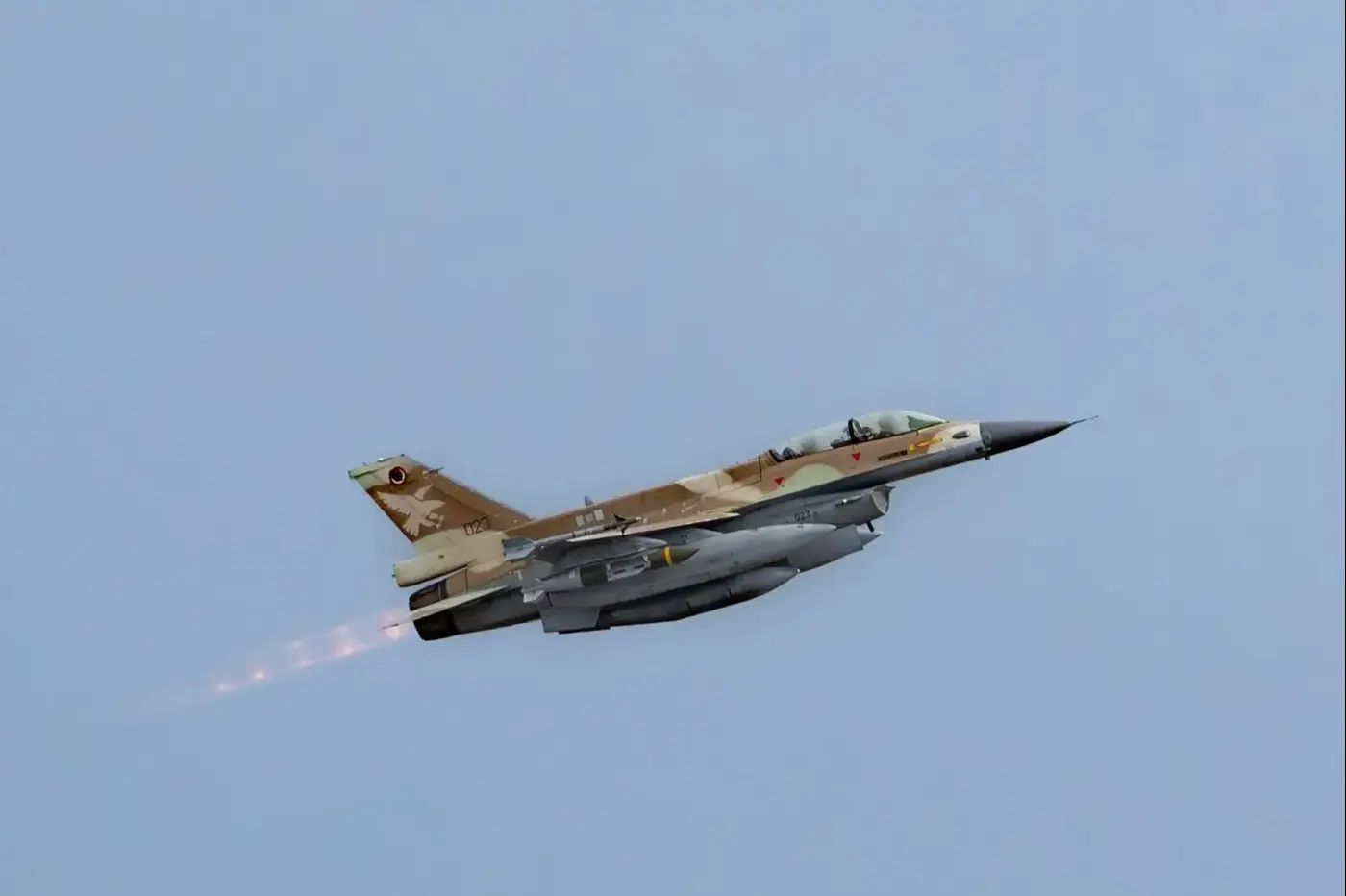
IAF striking in Iran
IAF striking in Iran (photo: IDF Spokesperson Unit)

Maintaining Elite Standards

Despite the planned expansion, IAF leadership stressed that the service's rigorous selection criteria and training standards will remain unchanged. The focus will be on increasing capacity while preserving the exceptional quality that has defined Israeli military aviation for decades. Officials noted that professional standards will be adapted to address increasingly complex operational realities, but not compromised.

Ready for more?

Join our newsletter to receive updates on new articles and exclusive content.

We respect your privacy and will never share your information.