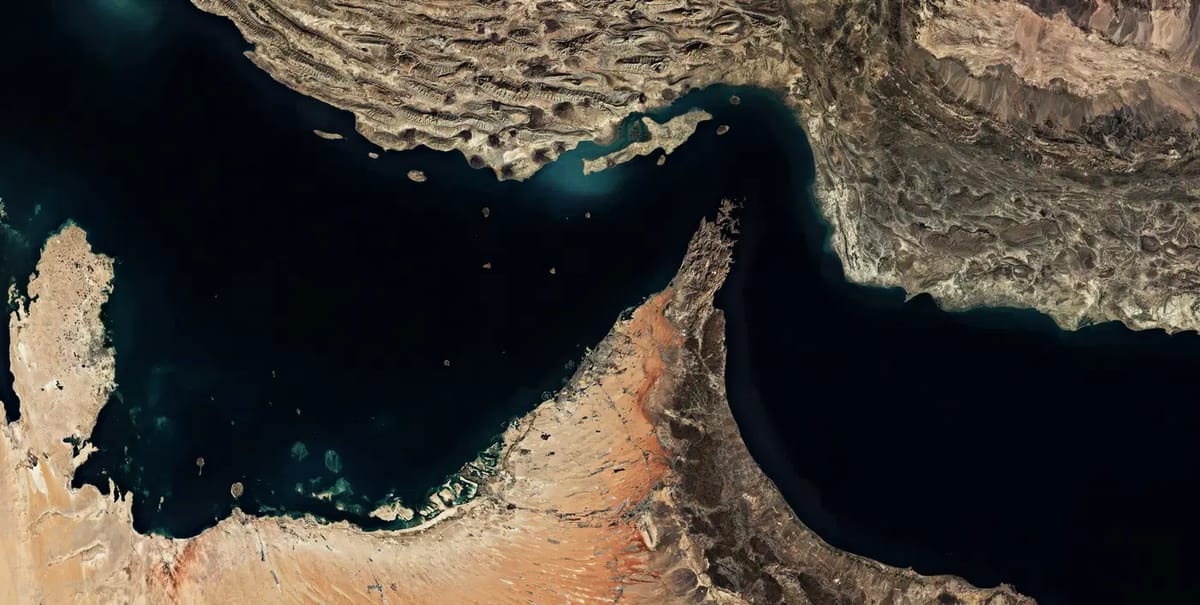
The UN Security Council is set to begin deliberations this Tuesday on a provocative new draft resolution aimed at neutralizing the Iranian threat to the world’s most vital energy artery. According to reports from Reuters, the document seeks to impose biting sanctions on Tehran and potentially authorize the use of military force to restore freedom of navigation in the Strait of Hormuz.
The "Chapter 7" Ultimatum
The resolution has been submitted under Chapter 7 of the UN Charter, a powerful legal mechanism that grants the Council the authority to enforce economic and military measures. While the current wording stops short of an explicit "green light" for an immediate strike, it defines Iran’s actions, including the deployment of naval mines and the disruption of oil tankers, as a direct threat to international peace and security.
Building the "Maritime Freedom Construct"
Parallel to the diplomatic pressure in New York, the United States is circulating a proposal to establish the "Maritime Freedom Construct" (MFC). This multinational coalition is designed to serve as the long-term security architecture for the region.
Key details of the plan include:
- Coordination with Allies: The MFC is intended to complement existing naval task forces, including a separate mission led by France and Britain involving approximately 30 nations.
- Structural Independence: Diplomatic documents indicate the MFC will remain structurally independent but will require "close coordination" to ensure a robust security environment.
- Post-Conflict Vision: The proposal looks beyond current hostilities, seeking to establish a permanent framework for maritime safety in coordination with regional partners.
Despite Washington’s push for a vote as early as next week, the initiative faces significant obstacles. Russia and China are reportedly preparing an alternative draft and are expected to use their veto power to block any resolution that authorizes the use of force.
In addition, several potential coalition partners have signaled that they will only contribute military assets if the mission receives a clear and undisputed mandate from the United Nations. Analysts suggest that even if the resolution fails, the attempt itself may provide the U.S. with the "international legitimacy" required to justify future military action on its own terms.