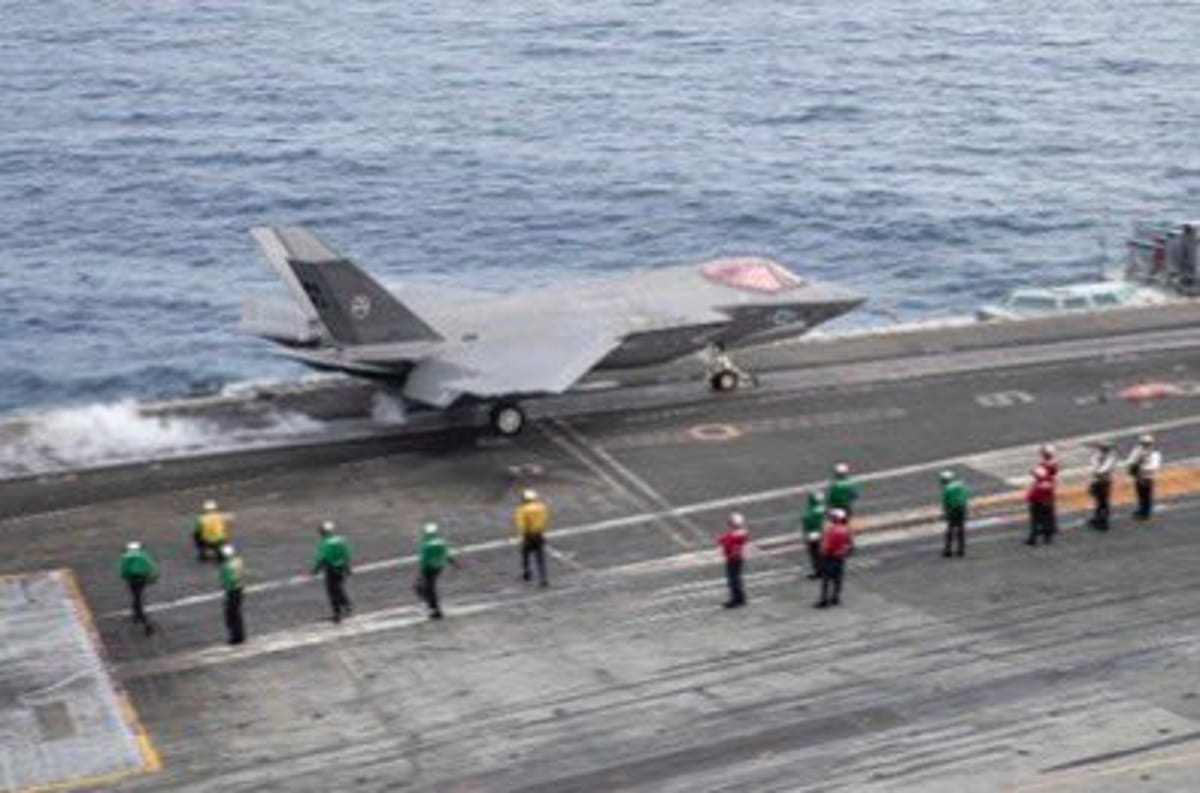
The U.S. Central Command (CENTCOM) has issued a remarkably specific and stern warning to the Iranian regime as the Islamic Revolutionary Guard Corps (IRGC) prepares to launch a two-day live-fire naval exercise in the Strait of Hormuz. Starting Sunday, the IRGC will conduct military maneuvers in a waterway that serves as the primary exit for Gulf energy exports, a region where even a minor disruption can trigger a global economic crisis. Unlike previous warnings, Washington has now spelled out exactly what it considers "hostile behavior," removing any ambiguity for Iranian commanders. CENTCOM has made it clear that the United States is prepared to use force to protect the freedom of navigation, signaling that the current buildup of American naval power in the region is ready to transition from deterrence to active engagement if the IRGC crosses these newly defined red lines.
Defining Unsafe Conduct
The warning from CENTCOM is unusually detailed, listing specific actions that will no longer be tolerated as "routine" maritime behavior. These include overflights of U.S. vessels engaged in flight operations, low-altitude or armed overflights when intentions are not clear, and high-speed boat approaches on a direct collision course. Furthermore, the U.S. military has warned that training weapons on American forces will be viewed as an act of aggression. According to CENTCOM, such "unsafe" and "unprofessional" conduct significantly "increases risks of collision, escalation, and destabilization" in a narrow passage that is only about 33 km wide at its tightest point.
The stakes for the global economy are immense, as roughly 100 merchant vessels transit the Strait on a typical day. The U.S. Energy Information Administration has previously cautioned that most energy volumes moving through Hormuz have no practical alternative route, meaning any disruption would lead to immediate price spikes. Reporting indicates that the IRGC’s designated firing area for the drill could overlap with or put extreme pressure on recognized commercial shipping lanes. This creates a high-pressure environment where a single miscalculation by an Iranian captain could turn into a full-scale naval war.
The Engine of Coercion
The decision to take a hard line now is part of a broader strategy to contain the IRGC, which the United States has officially designated as a Foreign Terrorist Organization. For Israel and other regional partners, the IRGC is viewed not merely as a military unit but as the regime’s primary engine for coercion and regional violence. The group has a documented history of backing terrorist networks, including the Hezbollah and Hamas terrorists, and using its naval assets to hijack commercial tankers or harass international navies. By issuing a public "checklist" of forbidden behaviors, CENTCOM is attempting to ensure that if a violent incident occurs, it cannot be dismissed as a mere accident or a misunderstanding.
The world is now watching for action rather than rhetoric. The critical metrics for the next 48 hours will be whether IRGC boats shadow merchant ships at dangerous distances, whether Iranian drones buzz the decks of U.S. carriers, or if any weapon-posture incidents occur during the live-fire window. Washington’s message is straightforward: the era of "unprofessional" Iranian harassment at sea has reached a dead end. With the American armada standing by and regional allies on high alert, the first dangerous move from the IRGC may very well be the spark that ignites a much larger war.