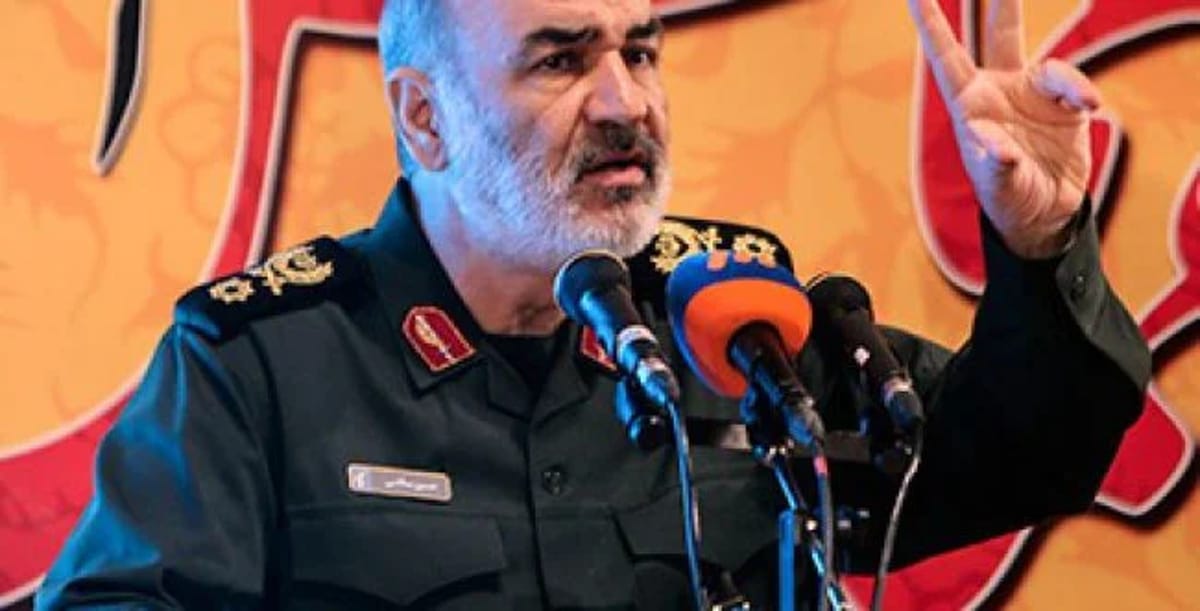
A major diplomatic shift in Paris has cleared the final significant hurdle for the European Union to formally designate Iran’s Islamic Revolutionary Guard Corps (IRGC) as a terrorist organization. After months of internal debate and hesitation, France has officially withdrawn its opposition to the move, joining Germany, Italy, Spain, and others in a unanimous push to isolate the Iranian regime’s most powerful military branch. This decision comes as European leaders acknowledge the unprecedented level of state-sponsored violence within Iran, where recent protests have resulted in a five-digit death toll. By blacklisting the IRGC, the European Union aims to enact a "maximum pressure" campaign that includes freezing assets and banning members from entering European territory, signaling that the era of European leniency toward the Iranian leadership has come to a definitive end.
The French Reversal and European Unity
The announcement of the French pivot came on Wednesday from Foreign Minister Jean-Noel Barrot, who confirmed that France would no longer stand in the way of the designation. Historically, the Élysée Palace had resisted such a move, largely out of concern for the safety of French citizens currently held in Iran and the potential for retaliatory actions against Western interests. However, the sheer scale of the regime's "blind violence" against its own people forced a change in strategy. Barrot stated that there could be no impunity for the regime’s actions and praised the courage of the Iranian people in their peaceful revolt. He confirmed that France, alongside its European partners, would impose harsh sanctions in Brussels against those responsible for the abuses, ensuring that "those targeted will be banned from entering European territory and will have their assets frozen."
German Chancellor Friedrich Merz echoed this sentiment, delivering a stinging critique of the Iranian government's legitimacy. Merz stated that "a regime that can only hold onto power through violence and overt terror against its own population has its days numbered." He noted that while it may take weeks for the full effect to be felt, the regime has lost its right to govern. Merz expressed regret that a few holdouts had delayed the consensus but noted that with France and Italy now on board, the Foreign Ministers' Council in Brussels is expected to approve the measure unanimously this Thursday.
Increasing Pressure on the Mullahs
The move to classify the IRGC as terrorists is a direct response to a humanitarian crisis that European leaders can no longer ignore. Reports from within Iran describe a regime that maintains its grip through "overt terror," including mass executions and a total digital blockade to hide the scope of its crimes. The German Chancellor emphasized that Germany and the entire European Union "stand by the Iranian people," specifically noting the fate of women and those resisting the current administration.
Israeli Foreign Minister Gideon Sa’ar welcomed the French decision, noting that the IRGC is "brutally massacring the Iranian people" and calling on the EU to finalize the designation immediately. Beyond the symbolic branding, the designation will trigger a massive logistical crackdown on IRGC-linked front companies and financial networks across Europe. The Iranian regime is now being told in no uncertain terms that it must release its prisoners, end the executions, and allow the United Nations Human Rights Council’s fact-finding mission to investigate the crimes committed during the ongoing internal war. With the last "mine" in the diplomatic path removed, the IRGC is set to join the ranks of the world's most sanctioned and isolated entities.