So Beautiful
Filmmaker's Humble Hasidic Journey Highlights the Dark Side of Sensationalist Journalism in Kiryas Joel | WATCH
In a World of Sensationalism, One Journalist's Humble Approach Shines a Light on Hasidic Life, A Stark Contrast to Kiryas Joel's Latest Media Storm

In an era where clicks often trump compassion, a heartfelt reminder from the Jewish community is resonating deeply: True understanding comes not from confrontation, but from curiosity laced with respect. This message, shared widely on social media amid fresh tensions in New York's Kiryas Joel, draws a poignant line between genuine storytelling and exploitative grifting and it's a lesson that moves the soul as much as it informs the mind.
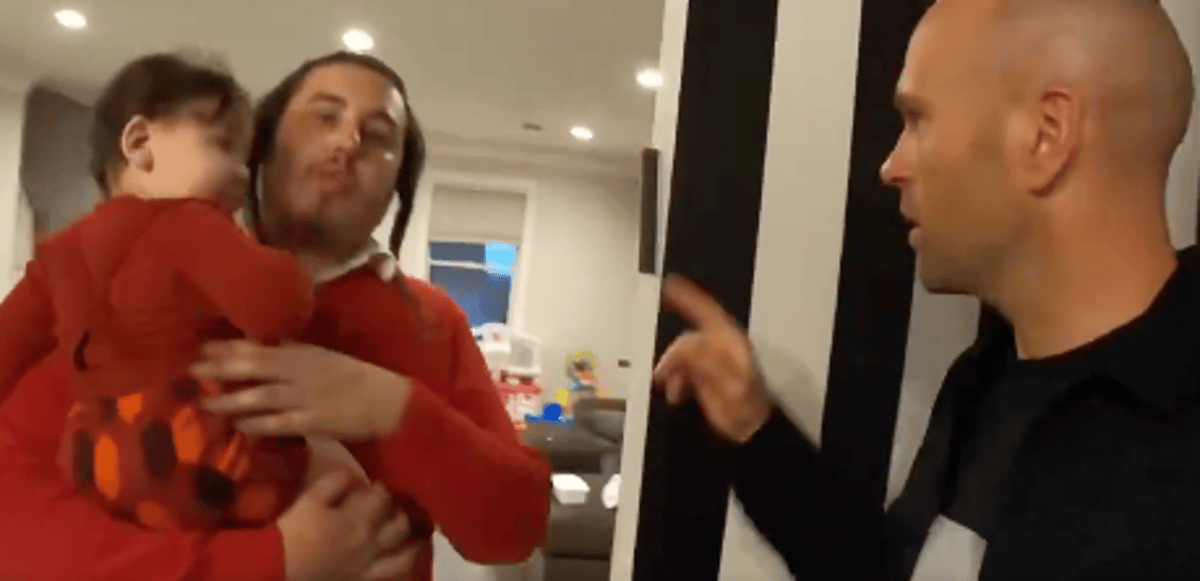
At the heart of this narrative is documentary filmmaker Peter Santenello, whose immersive series on Hasidic Jewish life has touched millions. Santenello didn't storm into Brooklyn's ultra-Orthodox neighborhoods with accusations or agendas; he arrived with humility, an open heart, and a genuine desire to learn. "He came to see real people as real people," X member AP reflected in a viral post.
Doors swung open, conversations flowed, and what emerged was a portrait of faith, family, and resilience, not stereotypes. His video, "I Lived 72 Hours With Hasidic Jews... It Was Not What I Expected," released in late 2025, has garnered over 5 million views, praised for bridging divides in a time of rising antisemitism.

But this warmth stands in sharp, heartbreaking contrast to the storm brewing in Kiryas Joel, the Satmar Hasidic village in Orange County, New York. On January 16, 2026, YouTuber Tyler Oliveira dropped a bombshell video titled "Inside the New York Town Invaded by Welfare-Addicted Jews...," which exploded to over 2 million views in days.
Oliveira's footage paints the community, home to about 44,000 residents, where Yiddish echoes through the streets and families average seven children, as a welfare-dependent enclave shunning work and outsiders. He highlights poverty rates (40% below the federal line) and public assistance use, framing it as an "invasion" that burdens America.The backlash was swift and visceral.
Jewish leaders, from pro-Zionist voices to community insiders, decried it as inflammatory and antisemitic, warning it could incite harassment. "This isn't journalism; it's sensationalism," said one Kiryas Joel resident in a statement to VINnews.
Warnings circulated: Don't engage with provocateurs seeking to "expose" or virtue-signal. Even former community members, like those reacting on platforms like TikTok and Reddit, acknowledged issues like welfare reliance but slammed Oliveira's approach as misleading and harmful. "There's good and bad, but this video twists it all," noted ex-resident Frieda Vizel in her reaction video.
What makes this contrast so moving?
As AP notes, it's a testament to the power of empathy in a divided world. Santenello's work reminds us that Hasidic Jews, with no history of violence, deeply committed to charity and community aren't "dangerous" enigmas but people deserving dignity. As the post urges: "Learn the difference between genuine curiosity and bad intentions. Between storytelling and grifting."
In Kiryas Joel, where families build lives rooted in ancient traditions amid modern scrutiny, this plea isn't just news – it's a call to our shared humanity.As antisemitic incidents surge globally, stories like these stir the heart, urging us to choose bridges over barriers. Watch Santenello's video, the post implores, and feel the difference. In a noisy digital age, perhaps that's the quiet revolution we need.