Keren Olam HaTorah Assembly

Historic Emergency Gathering: Torah Leaders Unite Against Draft Crisis, Rav Lando Encourages Financial Support

Hundreds of rabbanim and Admorim gather at Keren Olam HaTorah assembly • HaGaon Rabbi Lando: 'Even those of modest means should support one avreich' | Emergency response to yeshiva funding cuts (Haredim)

Keren Olam HaTorah
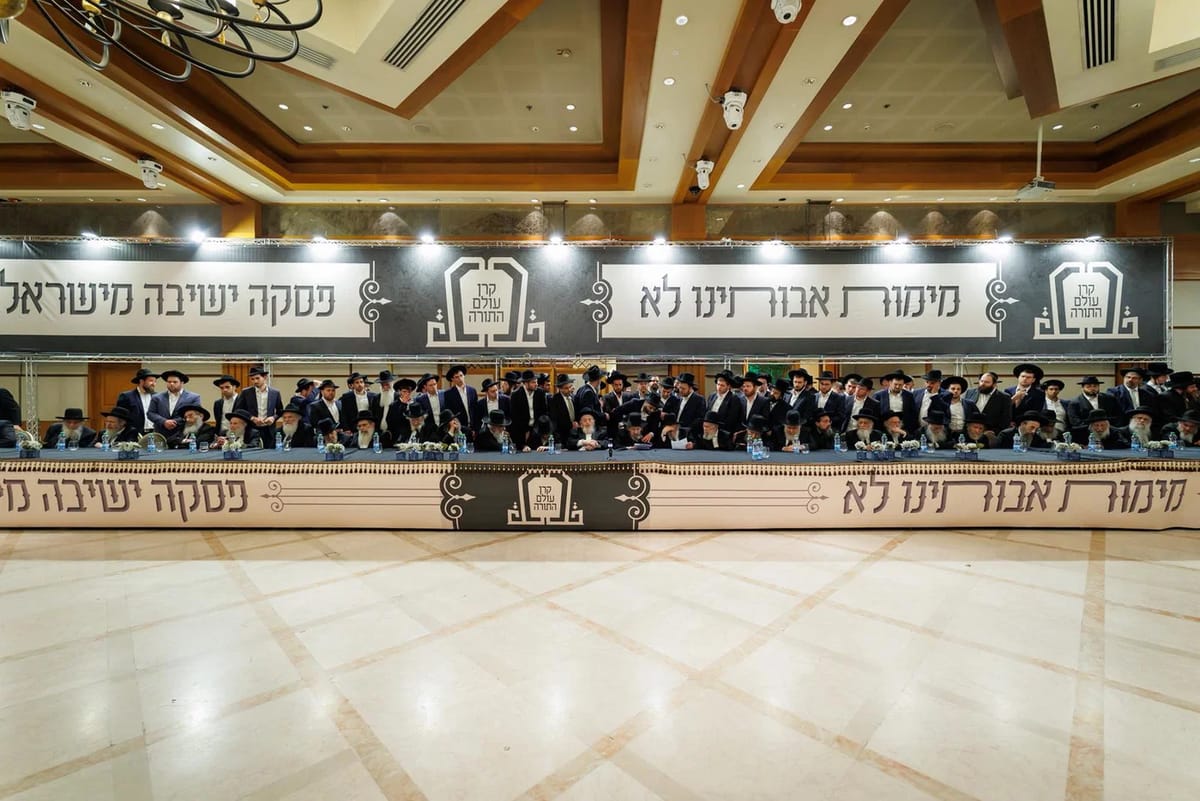
Keren Olam HaTorah (Photo: Meir Zleznik)

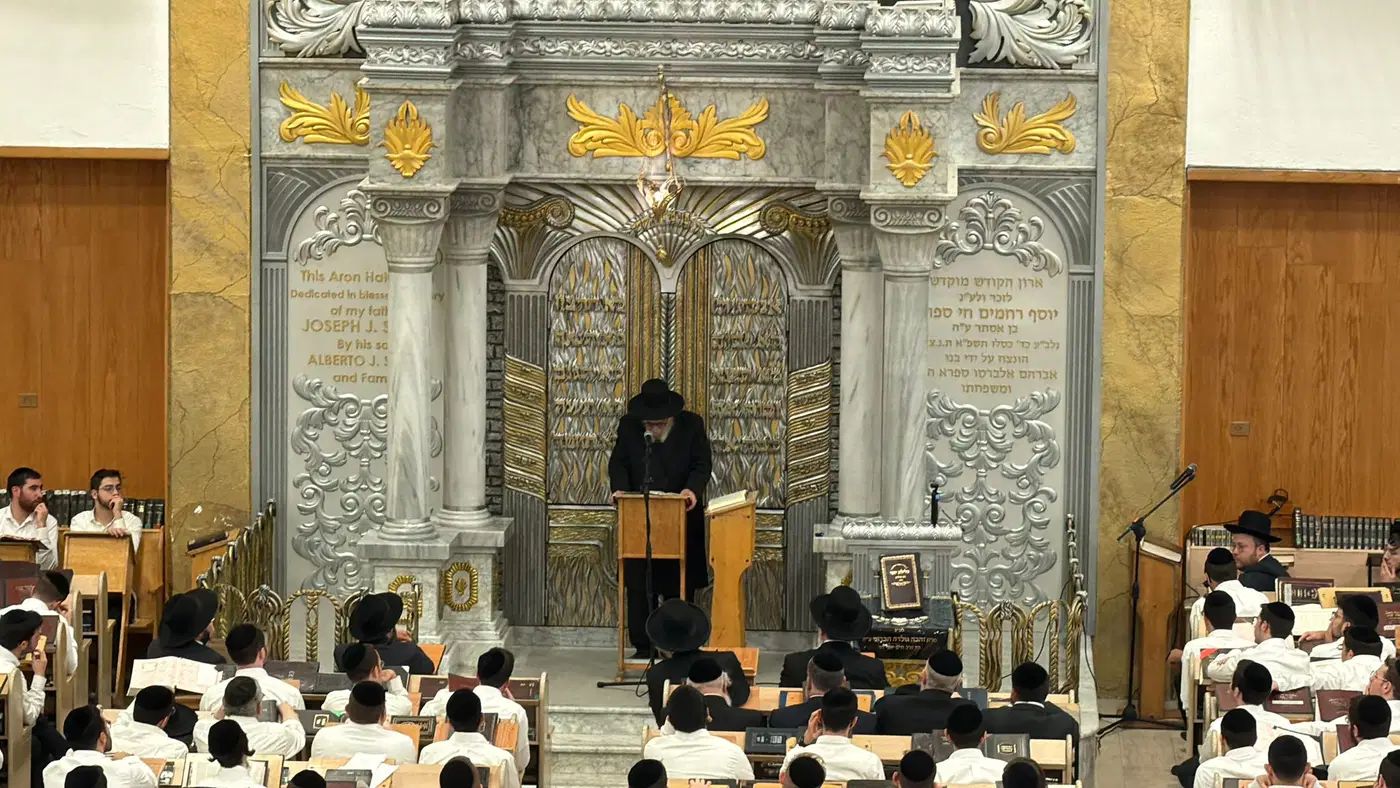
In what participants described as a historic moment for the Torah world, hundreds of leading rabbanim, Admorim, roshei yeshivos and gedolei Torah from across all sectors of the Haredi community gathered Monday evening at the Keser HaRimon halls in Bnei Brak for an emergency assembly convened by Keren Olam HaTorah.

The unprecedented gathering took place against the backdrop of what Torah leadership characterized as the most severe crisis facing yeshiva students in recent decades. The assembly addressed the escalating enforcement of draft orders, the elimination of yeshiva budgets, and the devastating economic impact on thousands of Torah families across Israel.

For hours, the assembled gedolim deliberated on the dire situation confronting bnei yeshivos and avreichim, exploring concrete strategies to strengthen Keren Olam HaTorah—an organization established specifically to help the Torah world navigate the new reality created by government policies. The atmosphere reflected both the gravity of the moment and the determination of Torah leadership to mobilize comprehensive communal support.

A Comprehensive Assessment of the Crisis

Rabbi Chaim Aharon Kaufman, chairman of the Vaad HaYeshivos, opened the proceedings with a detailed presentation to the gedolim outlining the current state of the Torah world. His comprehensive briefing detailed the dramatic consequences of the elimination of yeshiva and kollel funding, painting a stark picture of the challenges now facing thousands of families dedicated to Torah study.

The presentation showed that recent government decisions have fundamentally altered the financial landscape for Torah institutions. With traditional funding streams severed and new economic pressures mounting, the Torah community finds itself confronting an unprecedented situation requiring immediate and sustained communal response.

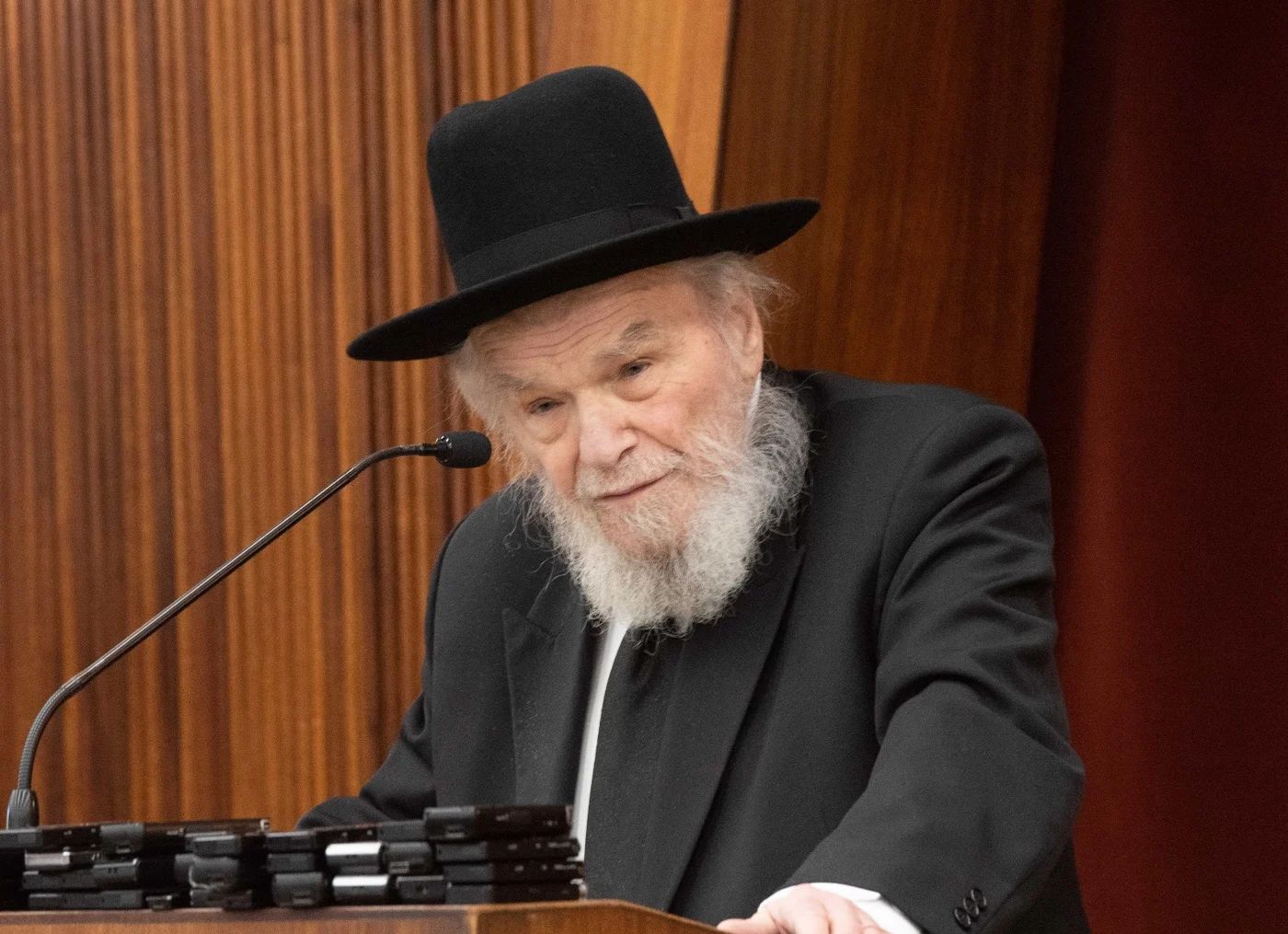
Rabbi Lando
Rabbi Lando (Photo: Daniel Nefusi)

'Our Hearts Ache for the Families'

HaGaon Rabbi Dov Lando, rosh yeshiva and a leading member of the Moetzet Chachmei HaTorah, delivered remarks that resonated deeply with the assembled rabbanim. Rather than beginning with policy discussions, Rabbi Lando chose to address the human dimension of the crisis, the fear and anxiety gripping Torah families.

"Our hearts ache from the pain of the families," Rabbi Lando stated with evident emotion. "Before our eyes stands the worry and tears of the wife of an avreich, the mother of a yeshiva student, who fears with every departure of her husband or son lest he be seized, Heaven forbid, by those who pursue them."

The rosh yeshiva's words acknowledged the daily reality now facing thousands of Torah families, where yeshiva students face arrest and detention for their commitment to Torah study.

An Unprecedented Call: Every Jew Must Participate

Rabbi Lando issued a historic call to the entire Jewish community. Breaking from the traditional model where major donors shoulder primary responsibility, the rosh yeshiva emphasized that the current crisis demands universal participation.

"Even one whose means are limited should accept upon himself the support of one avreich," Rabbi Lando declared. The specific figure he cited, $276 per month to support a single Torah scholar, was presented as an achievable commitment for Jews across the economic spectrum. This democratization of Torah support represents a fundamental shift in how the community approaches the challenge.

The call reflects a recognition that the scale of the current crisis exceeds what any limited group of supporters can address. By broadening the base of support to include every family capable of contributing, Torah leadership aims to create a sustainable model for maintaining the yeshiva world despite the elimination of government funding

'We Are in a Dark Period'

HaGaon Rabbi Moshe Tzvi Bergman, the senior-most rosh yeshiva present, characterized the current era as among the most difficult periods the Torah world has experienced in recent years. His remarks placed the present challenges in historical context while emphasizing the determination of Torah leadership not to yield to pressure.

"We are in a dark period," Rabbi Bergman stated plainly, "when we are pursued by misguided brothers who believe that if they cease supporting us as they have for many years, we will surrender. It is simple and clear that there is no possibility of this whatsoever, and we are commanded to give our lives for this."

The elderly rosh yeshiva concluded his remarks with a call for intensified prayer, noting that gedolei Yisrael are scheduled to embark on a crucial mission next week on behalf of the Torah world. His words underscored both the spiritual and practical dimensions of the community's response to the crisis.

Rav Hirsch
Rav Hirsch (Unknown)

Redefining Communal Responsibility

HaGaon Rabbi Moshe Hillel Hirsch, rosh yeshiva of Slabodka, addressed the assembly's fundamental premise: that the new reality requires a transformation in how Torah support is conceptualized. His remarks acknowledged that initial assumptions about the crisis's duration had proven incorrect.

"At first we thought it would be a year or two," Rabbi Hirsch noted, "but today we see that the reality of budgets that existed in the past no longer exists." This frank assessment led to his central point: the traditional model where wealthy individuals bear primary responsibility must give way to universal participation.

"Until now there was a perception that the wealthy of Israel would carry the main burden," the rosh yeshiva explained, "but now it is clear that every Jew must be a partner in Keren Olam HaTorah. Each and every person can be a partner in this great mitzvah."

Rav Moshe Hillel Hirsch at Hevron yeshiva
Rav Moshe Hillel Hirsch at Hevron yeshiva (Photo: Kikar HaShabbat)

The Sanctification of Resources

The Admor of Sanz delivered a distinctive perspective on the spiritual dimension of supporting Torah scholars. His remarks focused on how financial contributions transcend mere monetary transactions to become vehicles of kedushah.

"When one supports Torah learners, the money receives a form of holiness," the Admor stated. "Jews give large sums, truly wondrous amounts. They give form to money and thereby transform it into a vessel of sanctity."

This framing presented Torah support not as charity but as an opportunity for spiritual elevation—a message designed to inspire participation across all segments of the community regardless of financial capacity.

'The Spiritual Property of Every Jew'

HaGaon Rabbi Avraham Salim, rosh yeshiva and member of the Moetzet Chachmei HaTorah, articulated a theological foundation for the call to universal participation. His remarks emphasized that Torah scholars belong not to themselves or their immediate communities but to the entire Jewish people.

"Torah learners are the spiritual property of each and every Jew," Rabbi Salim declared. "They belong to all of us, and therefore all of us are obligated to participate in their support."

This formulation reframes the question from one of charitable giving to one of communal obligation—each Jew supporting what rightfully belongs to them as members of the Jewish people.

A Message from the Viznitzer Rebbe

Though unable to attend personally, the Admor of Viznitz sent a written message that was read to the assembly by HaGaon Rabbi Menachem Ernster. The letter reinforced the urgency of the moment and the obligation resting on every God-fearing Jew.

"Certainly the obligation of the hour resting upon every person who fears and trembles at the word of Hashem is to do everything in his power for the elevation of the crown of Torah and to assist Torah learners in this difficult hour," the Viznitzer Rebbe wrote.

Keren Olam HaTorah
Keren Olam HaTorah

Immediate Implementation

The assembly concluded with concrete steps to implement the vision articulated by the gedolim. Immediately following the gathering, Keren Olam HaTorah moved to expand accessibility for those wishing to participate in supporting Torah scholars.

The prevailing sentiment throughout the evening was that the Torah world stands at a pivotal juncture. Speaker after speaker emphasized that responsibility for the continued existence of yeshivos, kollelim and bnei Torah no longer rests solely on major donors but on the community as a whole.

As the assembled rabbanim departed into the Bnei Brak night, the message was clear: the response to this crisis will define the Torah world for years to come, and every Jew has both the opportunity and obligation to be part of ensuring its future.

Ready for more?

Join our newsletter to receive updates on new articles and exclusive content.

We respect your privacy and will never share your information.