A newly disclosed military radio recording has sparked debate within Israel’s defense apparatus over operational guidelines along the northern border, indicating that Israeli forces recently utilized warning shots, a practice known as "roof knocking" before striking a target in southern Lebanon.
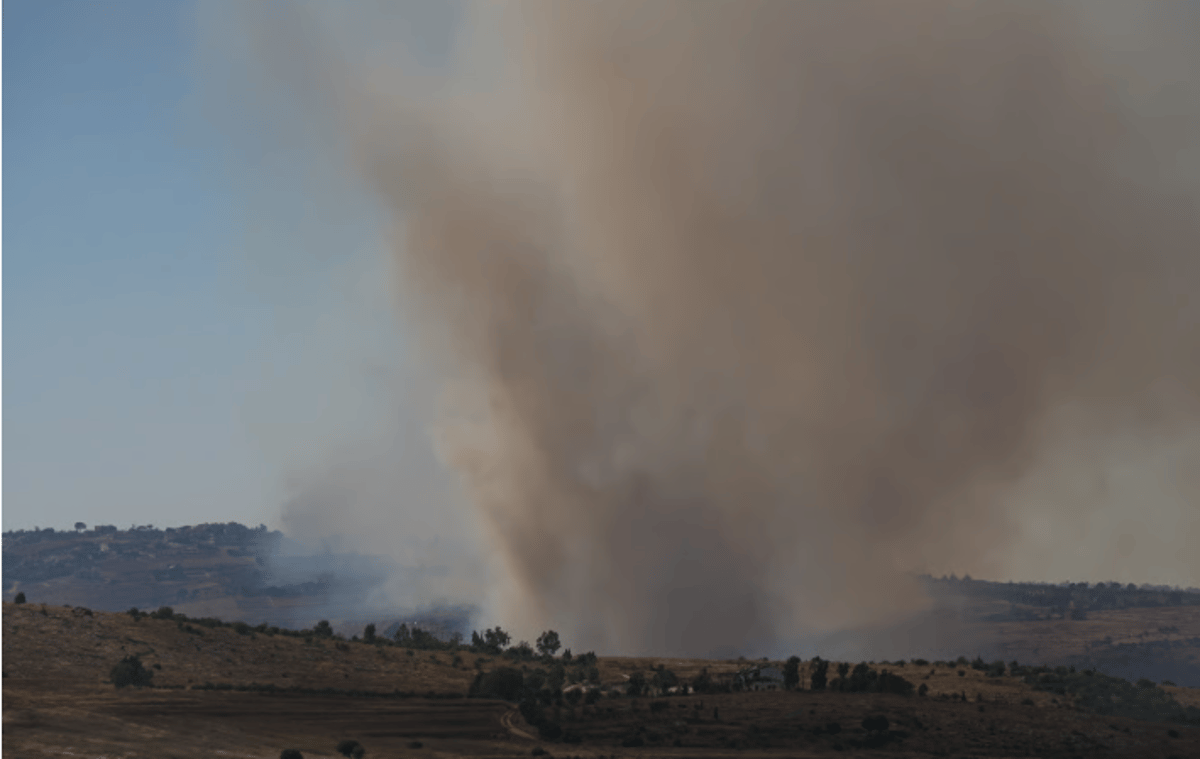
According to a report published Wednesday by Israel Hayom, Israeli military commanders instructed troops operating over the weekend to conduct a warning strike on a suspected weapons repository in the southern Lebanese village of Bayout al-Sayyid. The order was given after forces monitored the site for several days and identified individuals handling crates believed to contain military munitions.
The report noted that intelligence units monitoring the facility had observed no women, children, or non-combatants in the immediate vicinity prior to the strike.
The revelation comes amid growing scrutiny over operational mandates following recent diplomatic understandings between regional actors. While military leadership previously dismissed reports that rules of engagement had been altered, field commanders and infantry soldiers have voiced concern that revised protocols are placing new constraints on their tactical flexibility.
Sources cited in the report claim troops in certain sectors, including areas designated along the "Yellow Line," have been prohibited from employing preliminary suppressive fire before entering structures on foot.
Security analysts suggest the cautious approach may reflect broader efforts to align tactical operations on the ground with ongoing diplomatic negotiations aimed at stabilizing the border region and fostering confidence with the Lebanese government. However, frontline personnel express apprehension that tactical warnings, while designed to mitigate collateral damage and navigate diplomatic sensitivities, could allow hostile operatives time to evacuate before strikes are executed.
The weekend operation followed a separate targeted action in the same village, in which Israeli forces eliminated three members of Hezbollah’s elite Radwan Force.
The Israel Defense Forces (IDF) Spokesperson's Unit had not issued an official comment on the recording or the operational claims at the time of publication.