Qatari and Pakistani mediators have cautioned Tehran that it could face a deeper blockade or renewed strikes if it does not accept the latest US proposal before President Trump's attention moves past the midterm elections.
Qatari and Pakistani mediators have cautioned Tehran that President Donald Trump may stop pursuing an agreement once the US midterm elections are over. They also warned that Iran could face a deeper blockade or a fresh round of strikes if it does not accept the latest American proposal soon, a source familiar with the negotiations told i24NEWS.
The warning comes as Jerusalem pushes for a much harder line. On October 22, an American source told the Emirati outlet Erem News that Prime Minister Benjamin Netanyahu had presented Trump with a broad strike option. The plan would go beyond Iran's nuclear program and military capabilities and aim to fundamentally change the structure of the regime. According to that source, the operation Netanyahu proposed would be larger than February's joint offensive, known in Israel as Operation Roaring Lion. The same source said the administration prefers to push Iran toward an agreement on its nuclear program and on security in the Strait of Hormuz.
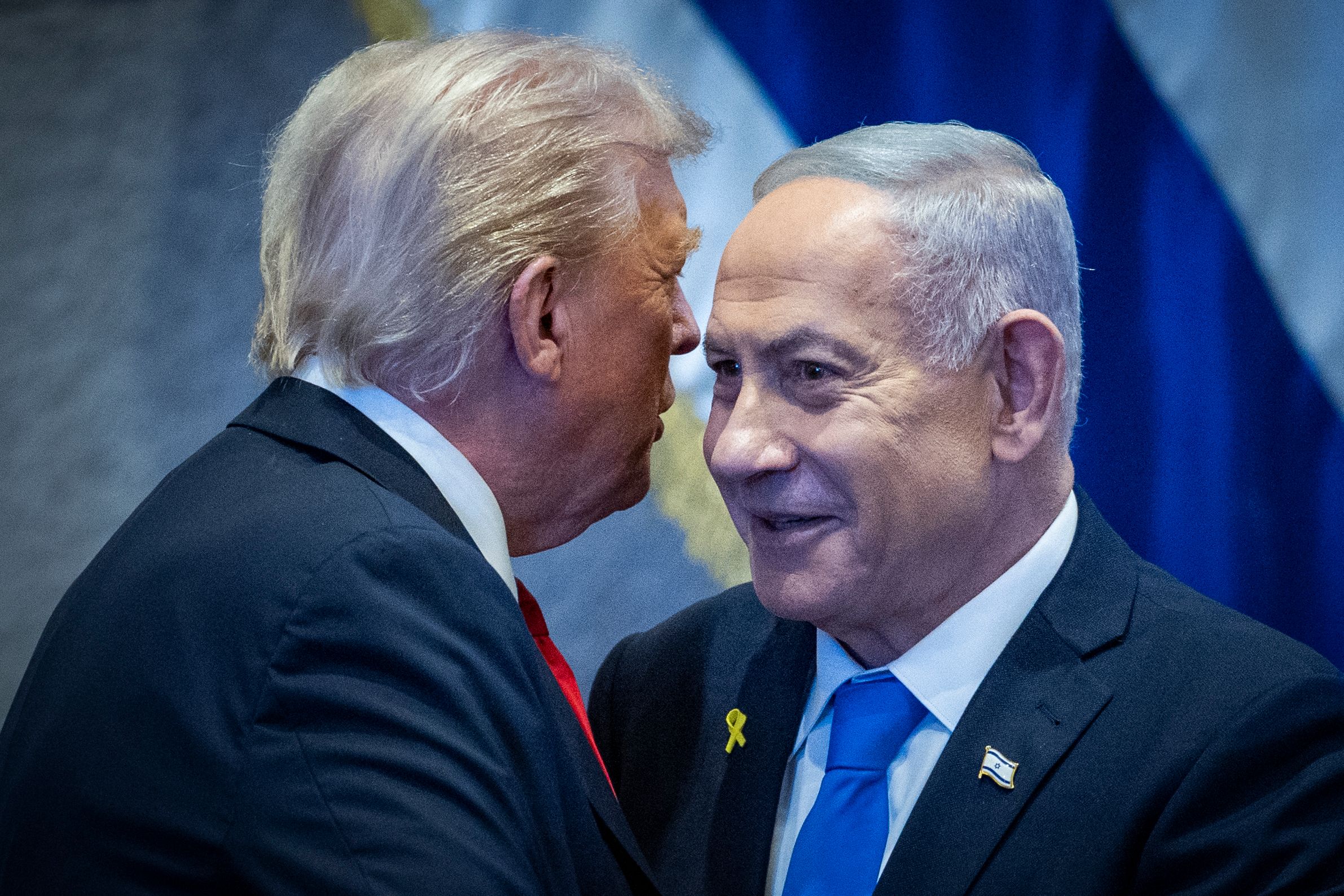
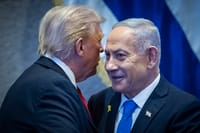
President Trump, Prime Minister Benjamin Netanyahu (Photo: Yonatan Sindel / Flash90)
"If Iran doesn't accept the agreement soon, Trump will either decide to continue or deepen the blockade on Iran or launch a renewed offensive against the Islamic Republic."
The source said the US and Iran trade messages through the mediators every day. Those messages concern the plan the Qatari and Pakistani mediators put to both sides this week. The mediators are now waiting for Tehran's reply to the most recent US counterproposal. Iranian officials have to refer it to their top leadership, and that process is slow.
According to the source, the new framework is close to the Islamabad memorandum of understanding but more detailed on some points. Instead of bundling every issue into a single package, it would be carried out in stages, along the lines of the Gaza agreement. The opening stage would last a week. During that week the Strait of Hormuz would reopen and the US blockade of Iranian ports would be lifted. Negotiations on everything else would start only afterward.
The source estimated that the two sides already agree on 70% to 80% of the terms. The main sticking points remain unchanged: how frozen Iranian funds would be released, and how Iran's stockpile of highly enriched uranium would be downgraded. The source called deep mutual mistrust the largest obstacle and said the mediators are working to restore confidence between the parties.
The source also placed the blame on Tehran. Iran broke the Islamabad memorandum first, the source said, and Iranian breaches of the agreements far exceed American ones.
The source said a parallel Gulf channel is also in play. Emirati security officials are holding talks in Tehran with members of Iran's Revolutionary Guard to persuade them to accept the US terms. That channel exists because Tahnoon bin Zayed, the United Arab Emirates' national security adviser, has close ties with the Revolutionary Guard.
Trump himself went after the regime on October 22. In a post attacking Tehran, he accused Iran of trying to drive up oil prices ahead of the midterms by staging false attacks and laying mines in the Strait of Hormuz.
Ready for more?
Join our newsletter to receive updates on new articles and exclusive content.
We respect your privacy and will never share your information.