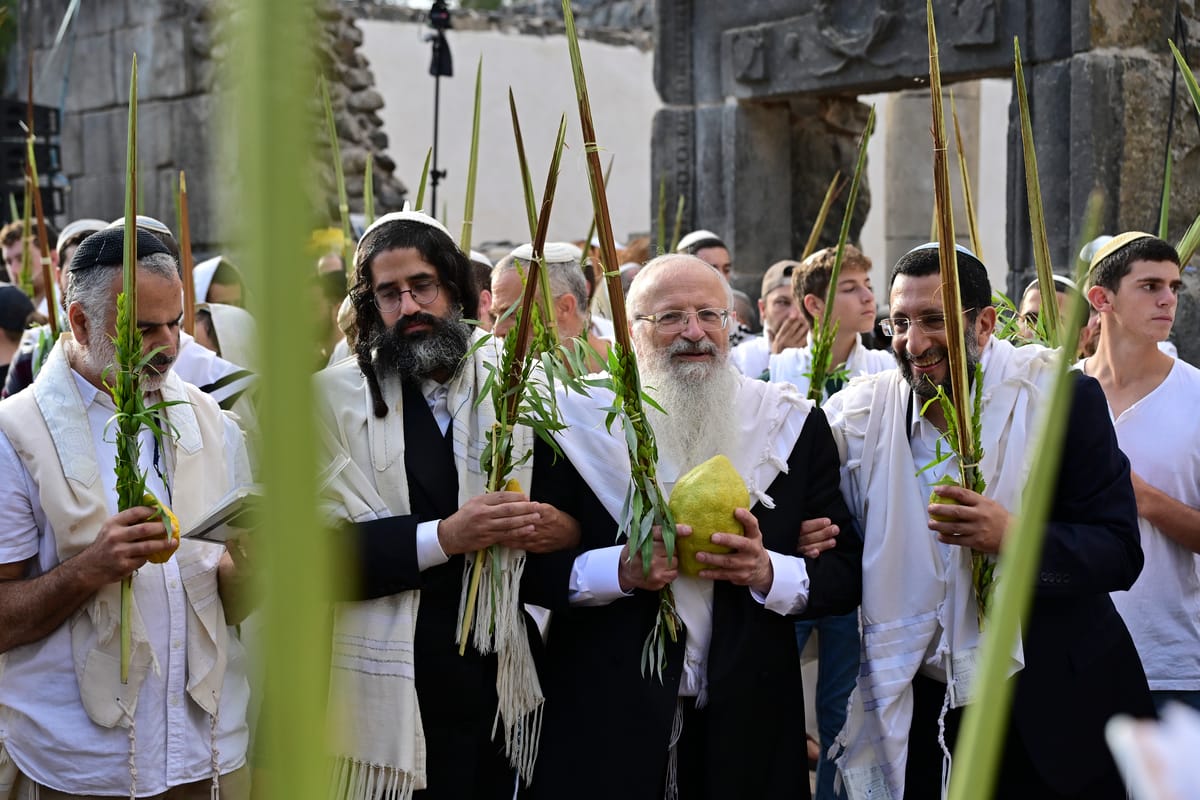
So here we are, after the holidays. We sang and danced a lot, ate a lot, prayed a lot, spent time with friends and family, and generally reveled in the holiness of these special days. This year, we even had the extra joy and celebration of having all of the living hostages from Gaza returned home just before Simchat Torah. Now, the shofar has been put away, the sukkah dismantled, and we've slowly begun to return to our regular routines.
After such a high and intense period of connection, introspection, and joy, it is only natural that many of us experience a spiritual or emotional letdown. Things have gone back to normal, back to routine. At this point it’s natural to feel a bit of a slump, but the truth is that this apparent "return to normal" is actually the most spiritually significant time of all.
We generally experience life as a pattern of running and returning, periods of inspiration followed by periods of routine. There are ups and downs. Sometimes we feel connected and joyful, sometimes we don’t feel so good. This ebb and flow doesn't indicate anything's wrong with us; it's completely natural and simply how life works. We inhale and exhale; we connect and disconnect. The world is designed like this purposely to encourage us to dig deeper and tap into higher levels of personal development. It’s only by overcoming challenge that we can hope to grow.
During the holidays, we feel uplifted, connected, and spiritually alive. Then comes the month of Cheshvan, often called Mar Cheshvan, the "bitter Cheshvan" because it lacks holidays, and we return to our daily grind. Some might believe that feeling inspired during Tishrei demonstrates their spiritual depth, however the true test of our spirituality actually comes after the holiday season, when we're no longer buoyed by external rituals and communal experiences.
Consider a marriage. Sometimes spouses feel deeply connected and close; those moments are precious and worth celebrating. But the real test of the relationship comes during periods of disconnection or conflict. Working through those challenging times demonstrates commitment and often, after navigating a period of disconnect through communication and effort, couples find themselves closer than they were before the challenge arose.
The sages teach us in Pirkei Avot, "L'fum tzara agra", according to the effort is the reward. We’ve all experienced this feeling. One example for me is climbing Macchu Picchu, in Peru. I've visited Peru many times and have led many trips there. During the trip we visit Macchu Picchu. Visitors at the site have two options: a challenging two-hour hike up the mountain, or a quick twenty-minute bus ride. Those who choose the difficult climb have a completely different experience when they reach the summit. They feel that they truly "own" the experience and appreciate the view far more than those who took the bus, which was the easier path. There are some who actually walk for days along the Inca Trail to get there. They appreciate it the most. The more effort you put in, the more you grow and the more rewarding the experience is.
Similarly, our spirituality isn't defined by those moments when connection comes easily, but by how we respond when inspiration wanes. Do we remain committed to our values and practices even without emotional reinforcement? Do we continue learning, praying, and performing acts of kindness even when we don't "feel like it"?
In Parashat Noah, the Torah mentions that Noah was told to make a "tzohar" for the ark . Rashi cites two interpretations: one says it was a precious stone that emitted light, while the other suggests it was a window that allowed light to enter. This duality perfectly illustrates our spiritual journey throughout the year.
During Tishrei, we're like windows, opening ourselves to receive divine light and inspiration. The holidays serve as spiritual charging stations, filling our internal batteries. But now, as we enter Heshvan and the winter months ahead, we must become like precious stones, giving off the light we've absorbed. The Chassidic masters therefore suggested that rather than seeing Cheshvan as Mar - bitter - we should approach it with a deeper, more spiritual lens, through which we can reverse the letters of Mar to Ram - uplifted or exalted Cheshvan. The real growth happens not when we're passively receiving inspiration, but when we're actively radiating it outward through our daily actions, even when, especially when, we don't feel particularly inspired by the external world.
So if you're experiencing a post-holiday slump, take heart! This transition isn't a spiritual failure but an invitation to deepen your practice. The effort you invest during these "ordinary" times builds spiritual muscles that the holiday experience alone cannot develop.
The holidays may have ended, but the real spiritual work and the most meaningful growth is just beginning.
Rabbi Dov Ber Cohen is the author of "Mastering Life: A Unique Guidebook to Jewish Enlightenment" and "The Essential Teachings." He was formerly a monk and a master of Eastern wisdom traditions. He was also featured on social media as Nas Daily's Rabbi. Rabbi Cohen lives in Jerusalem with his wife and children.