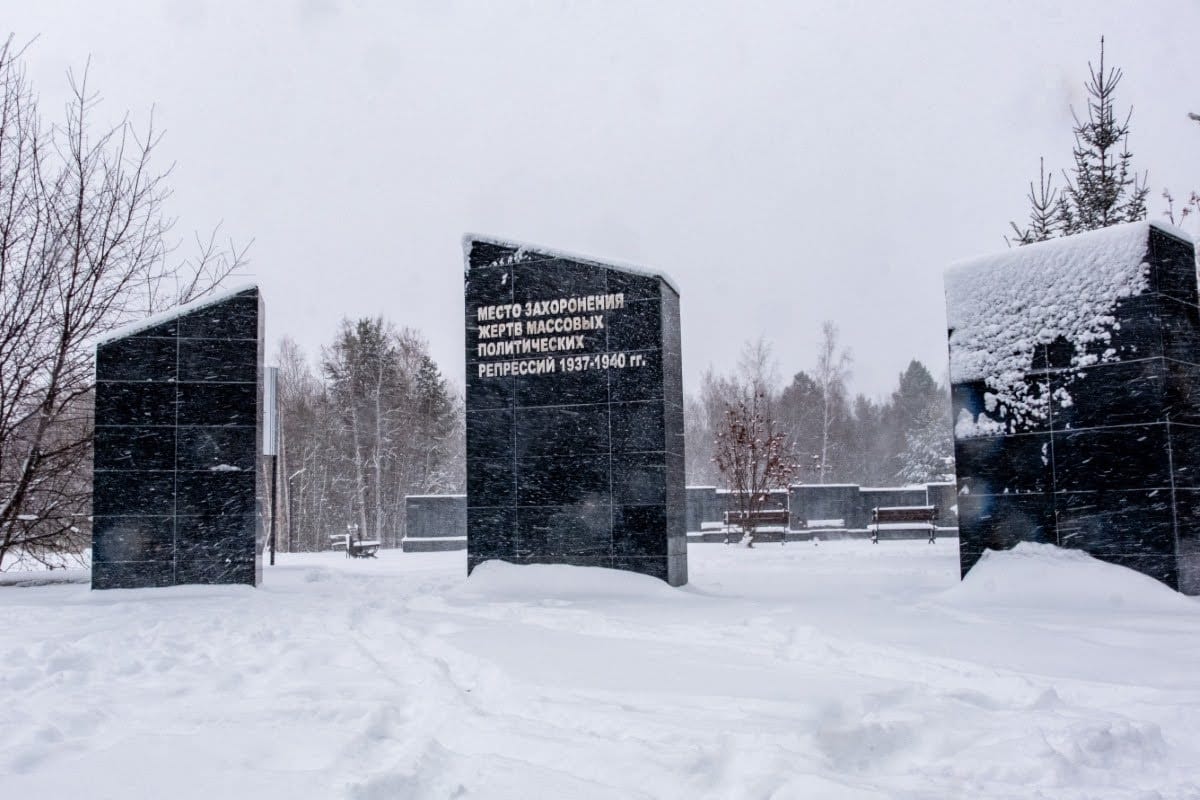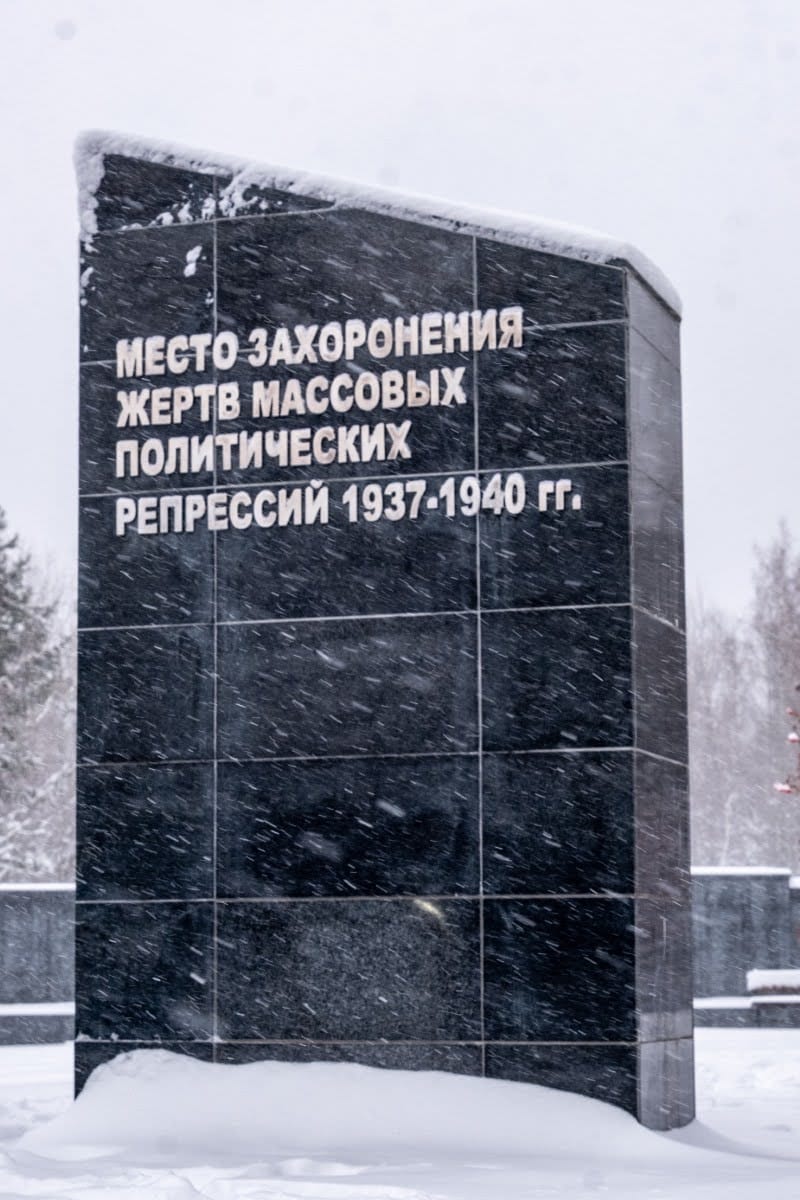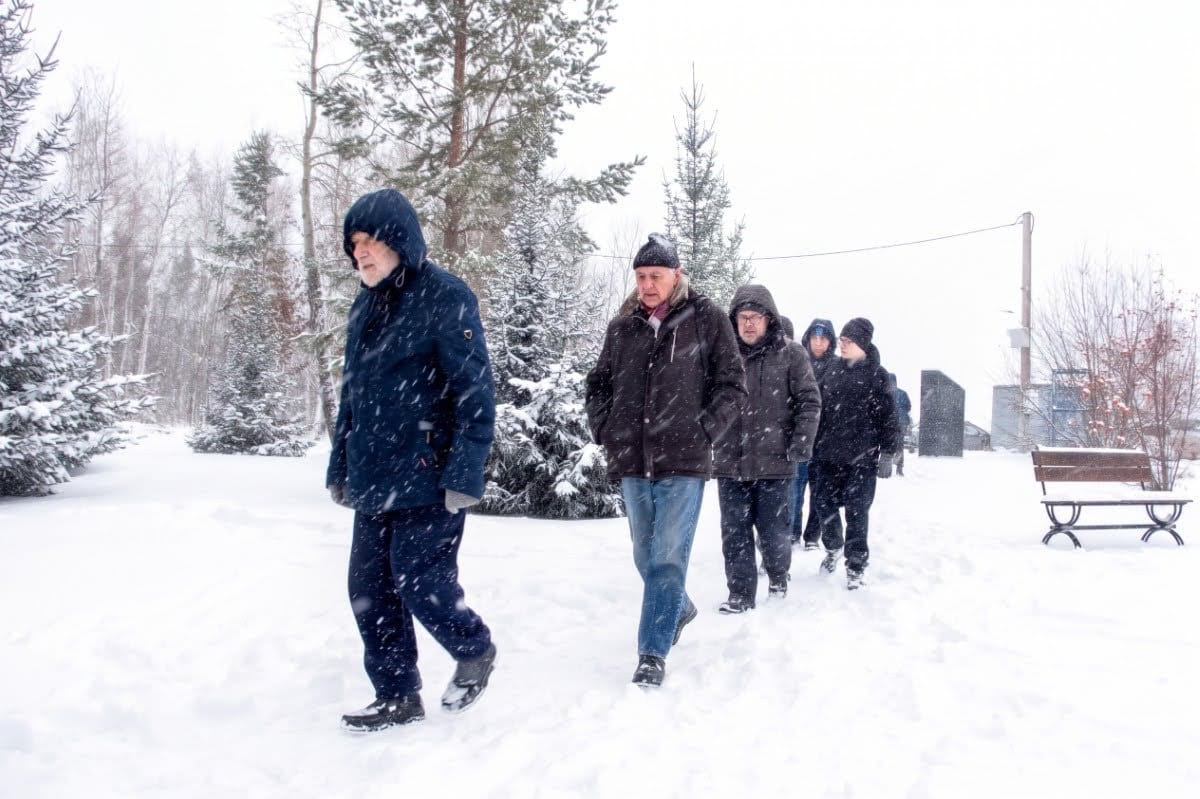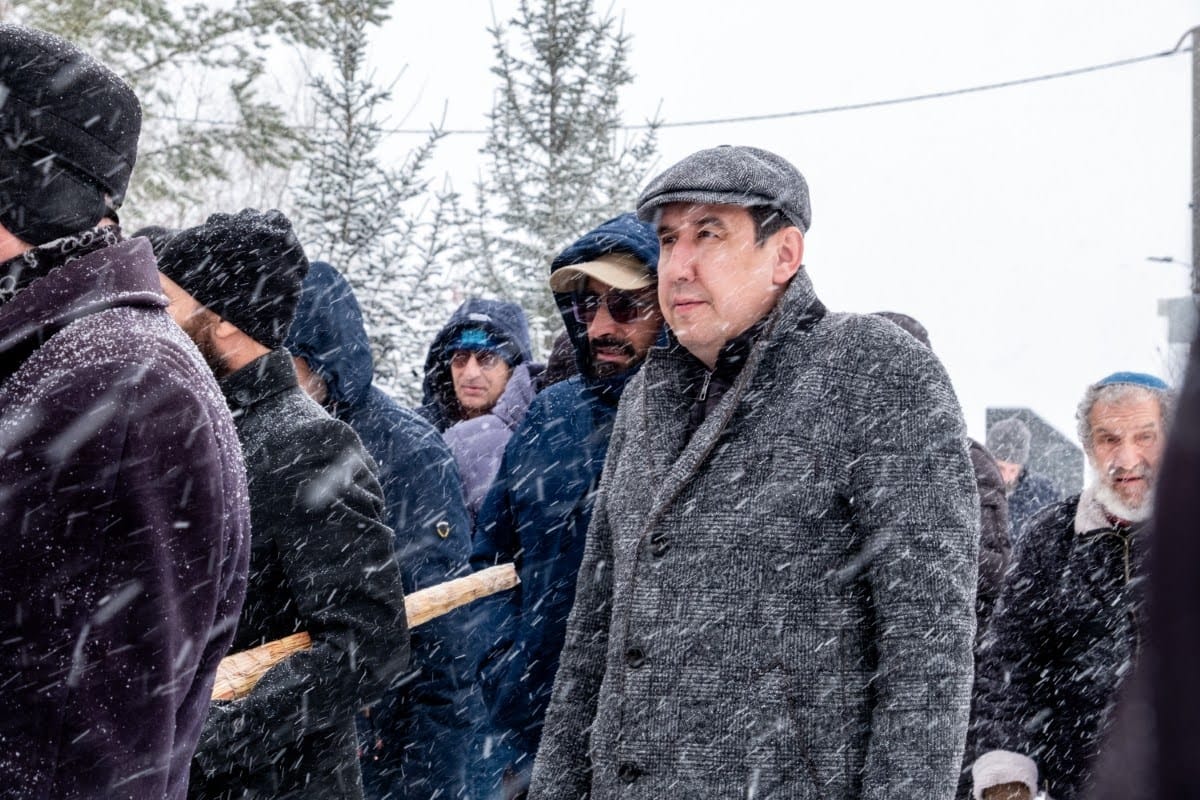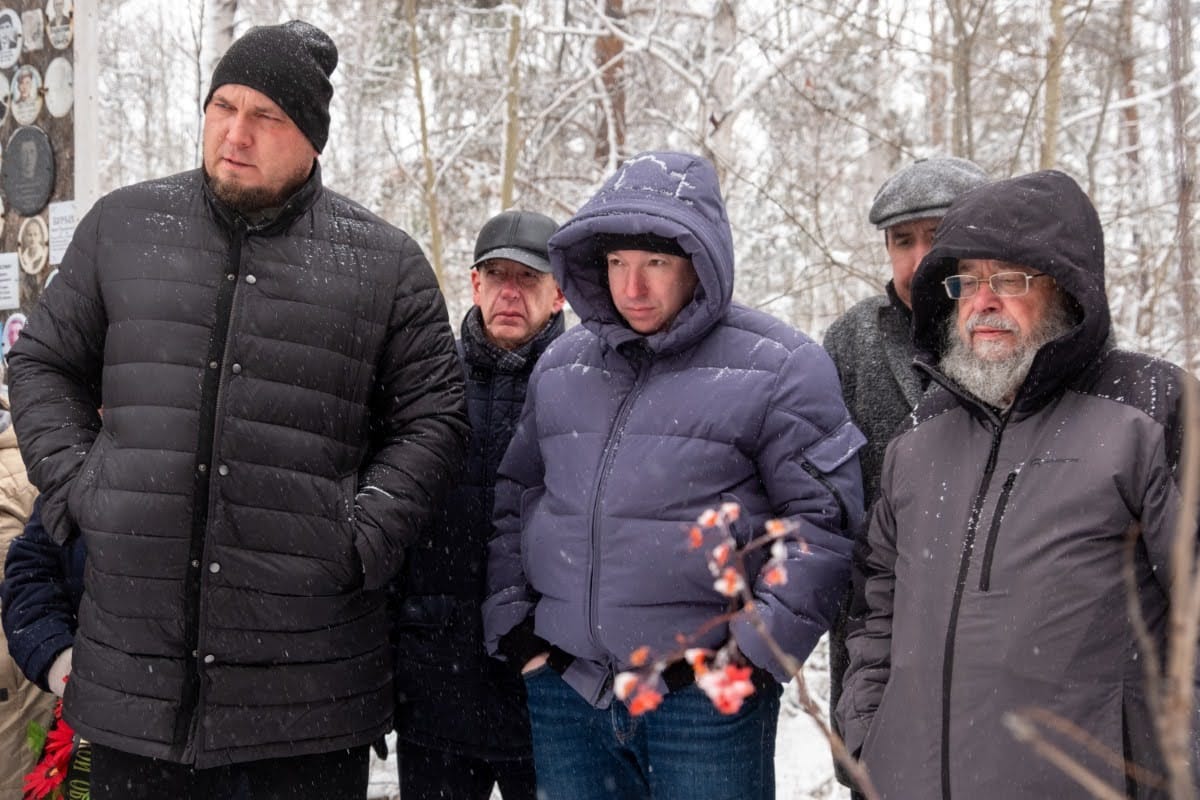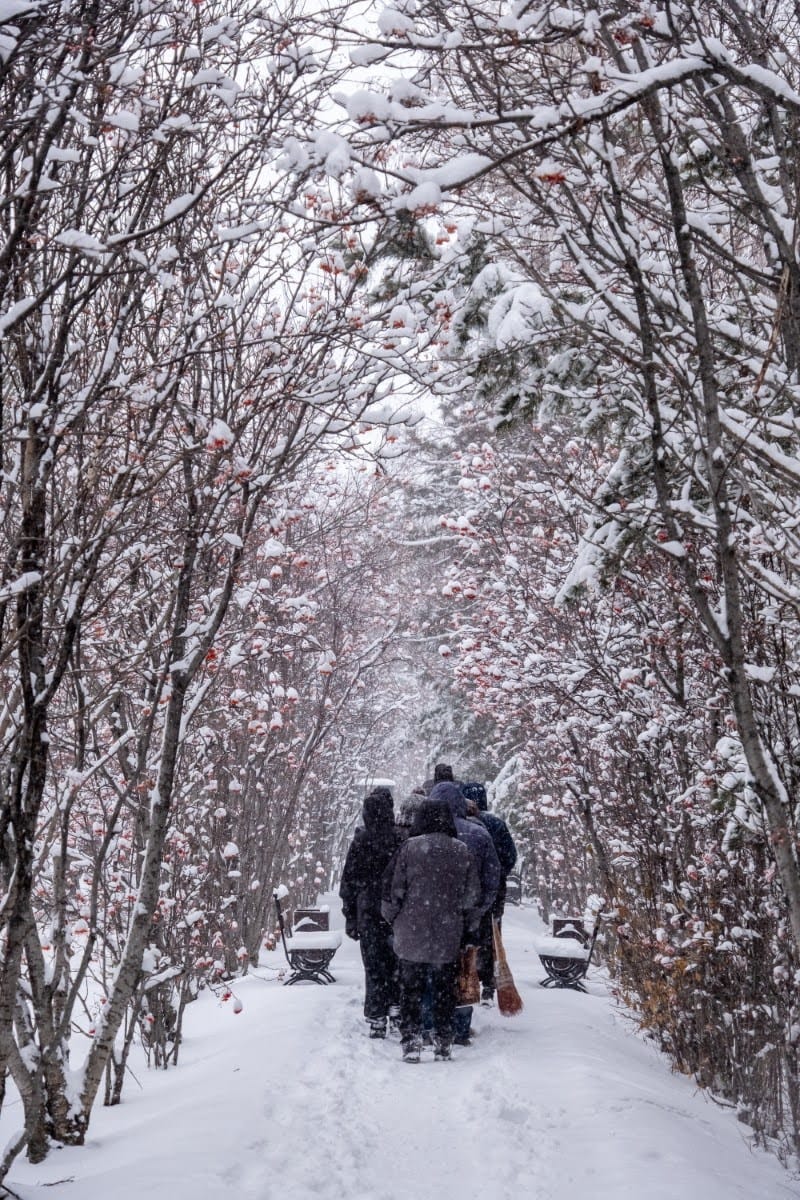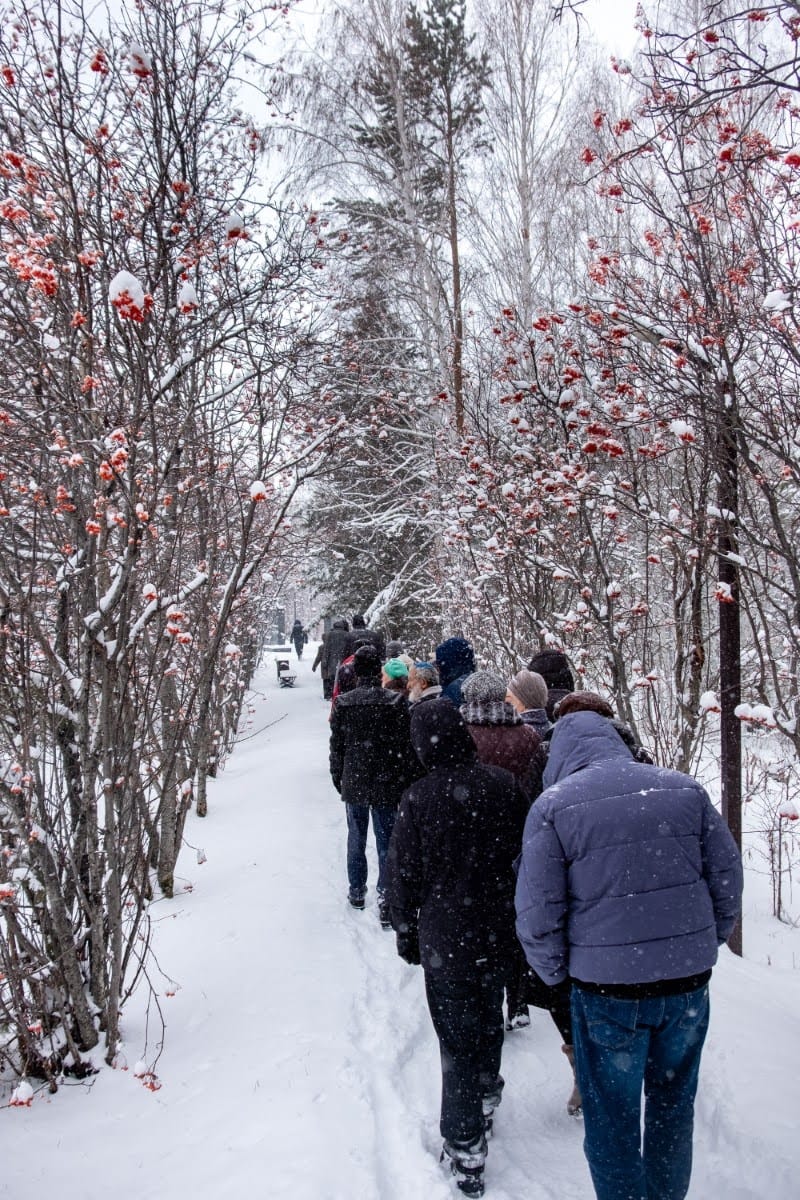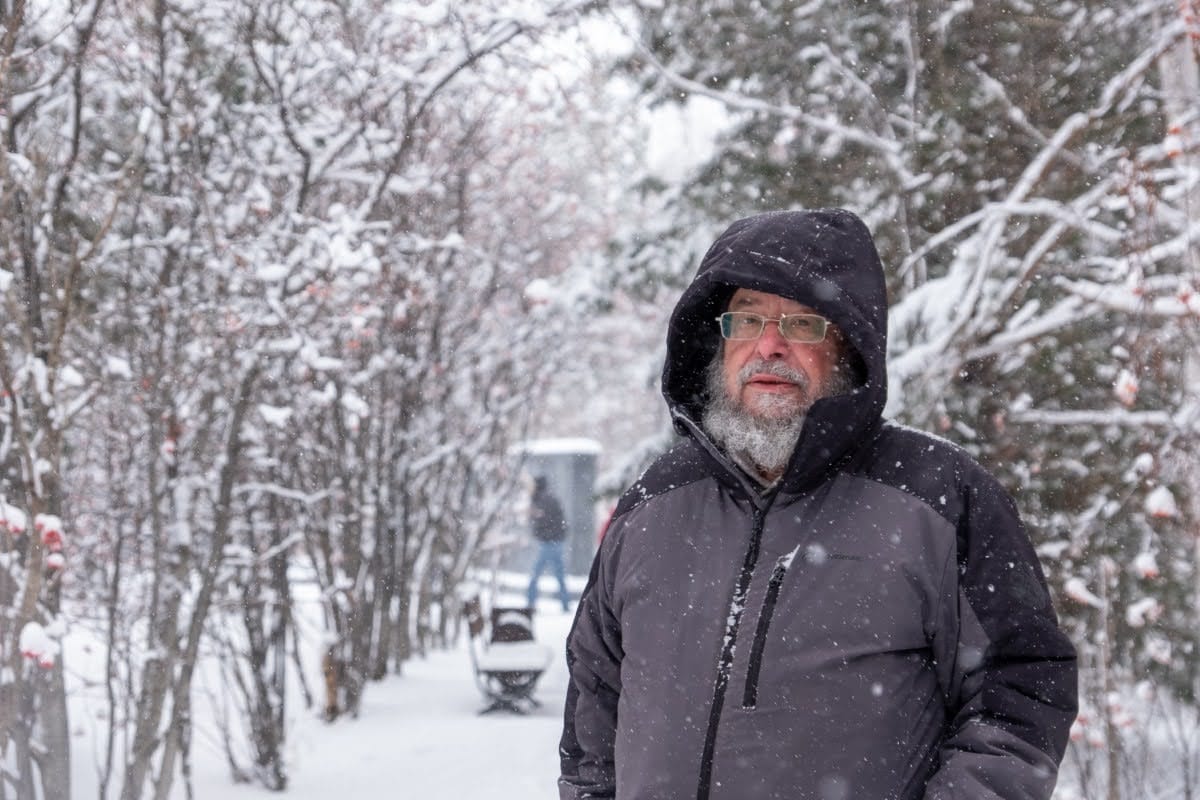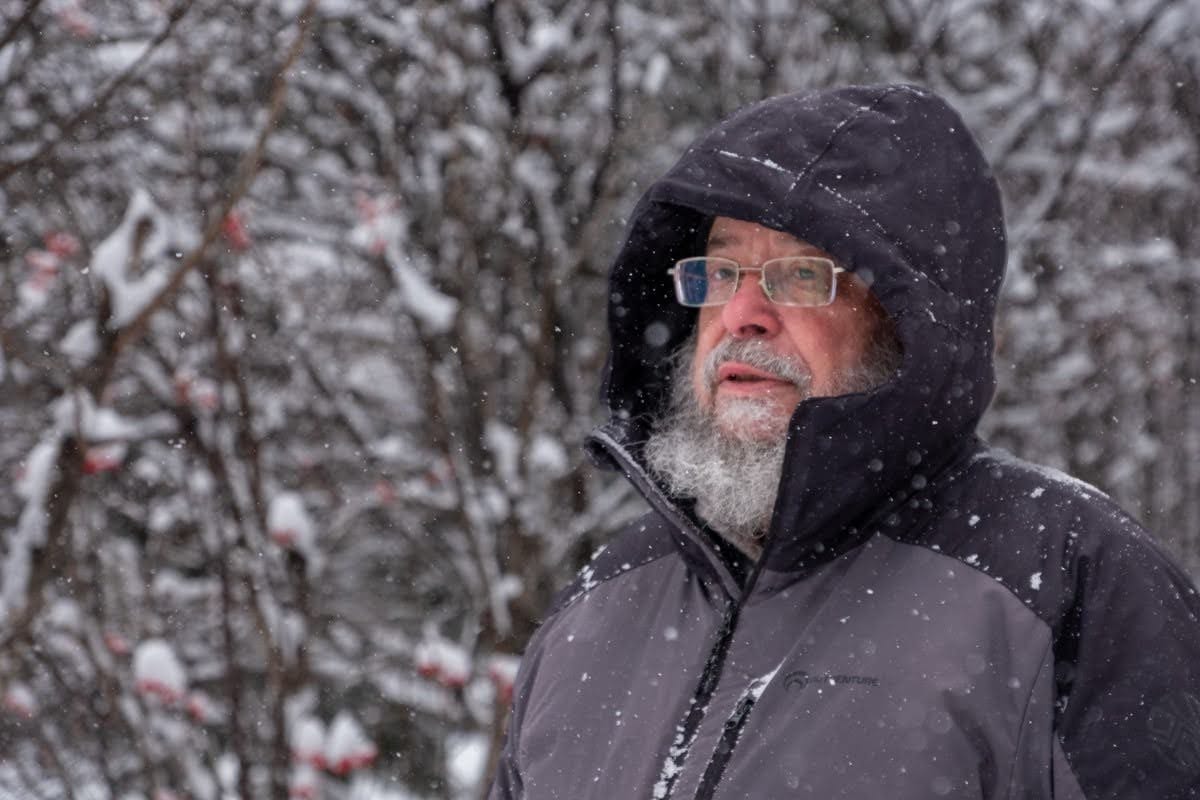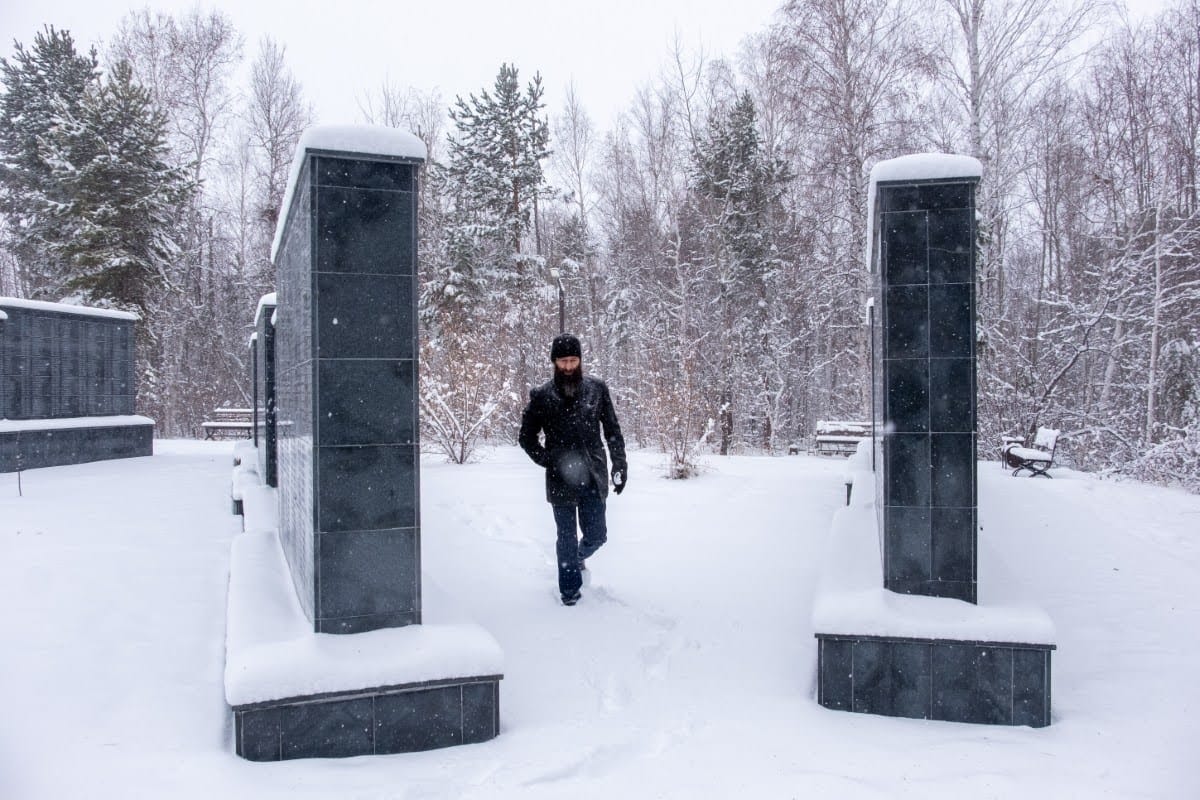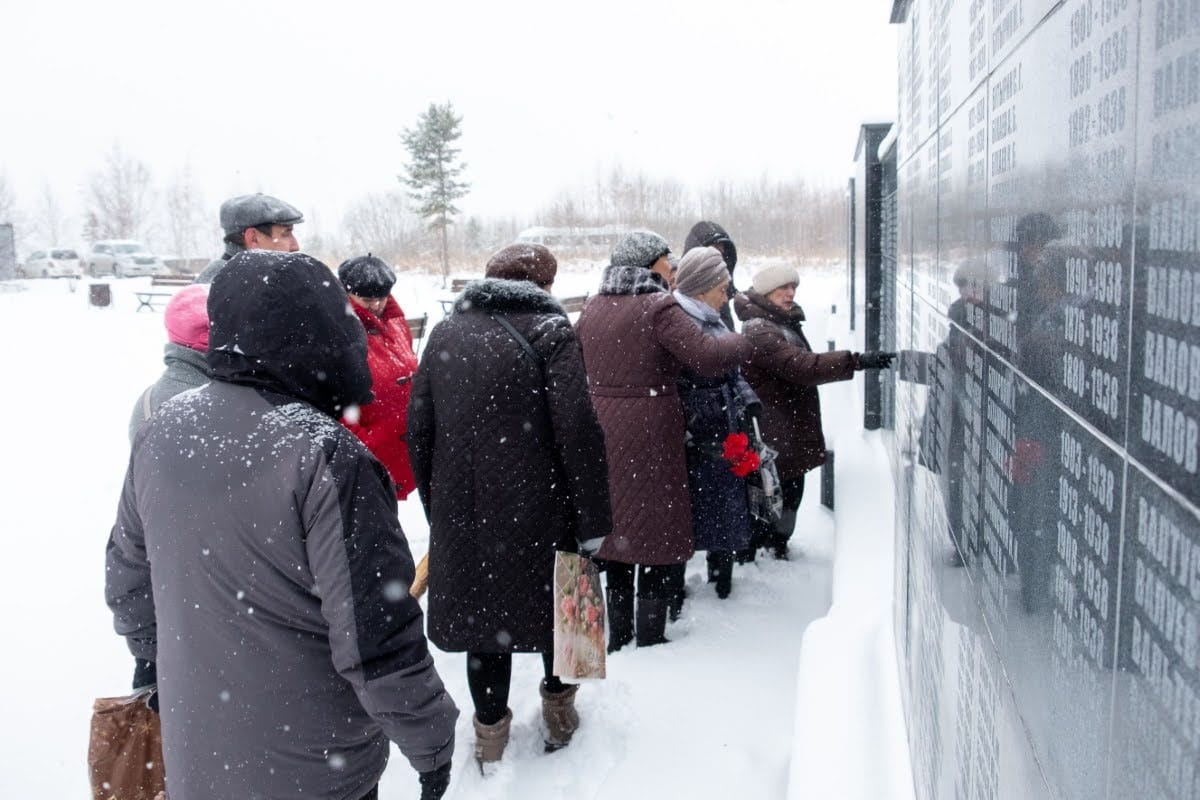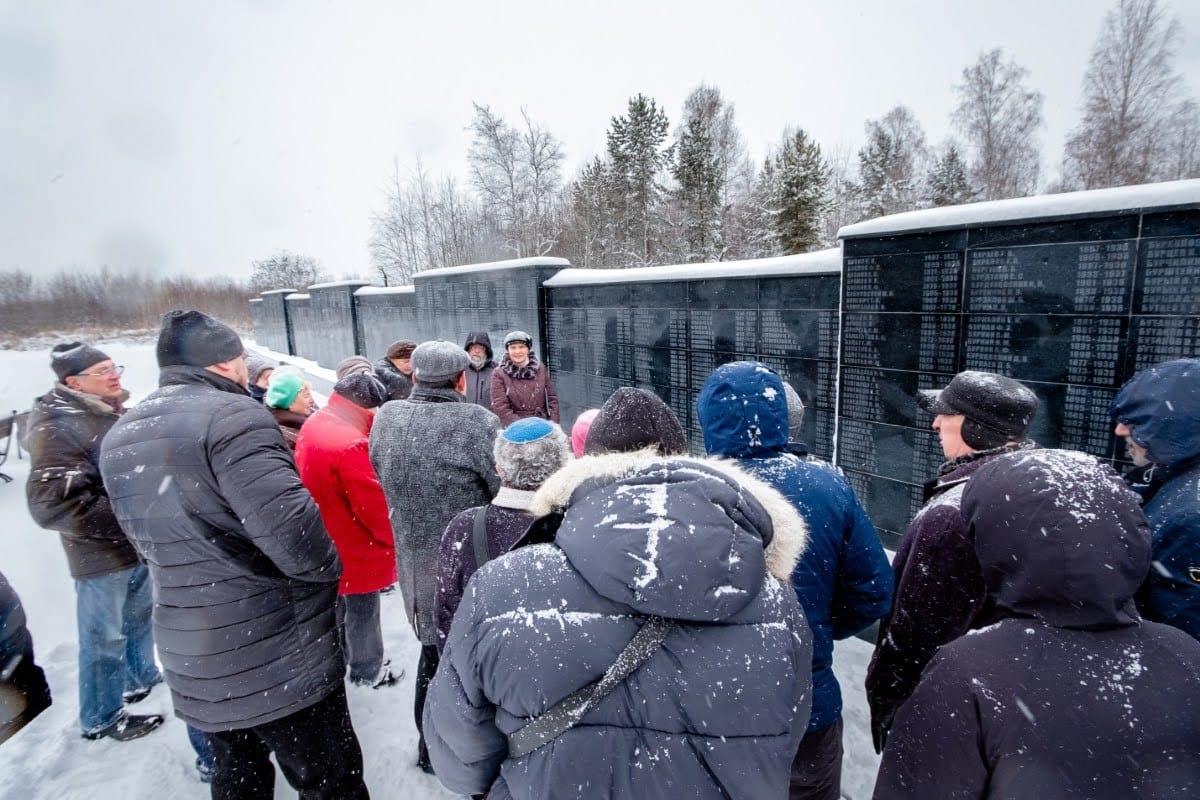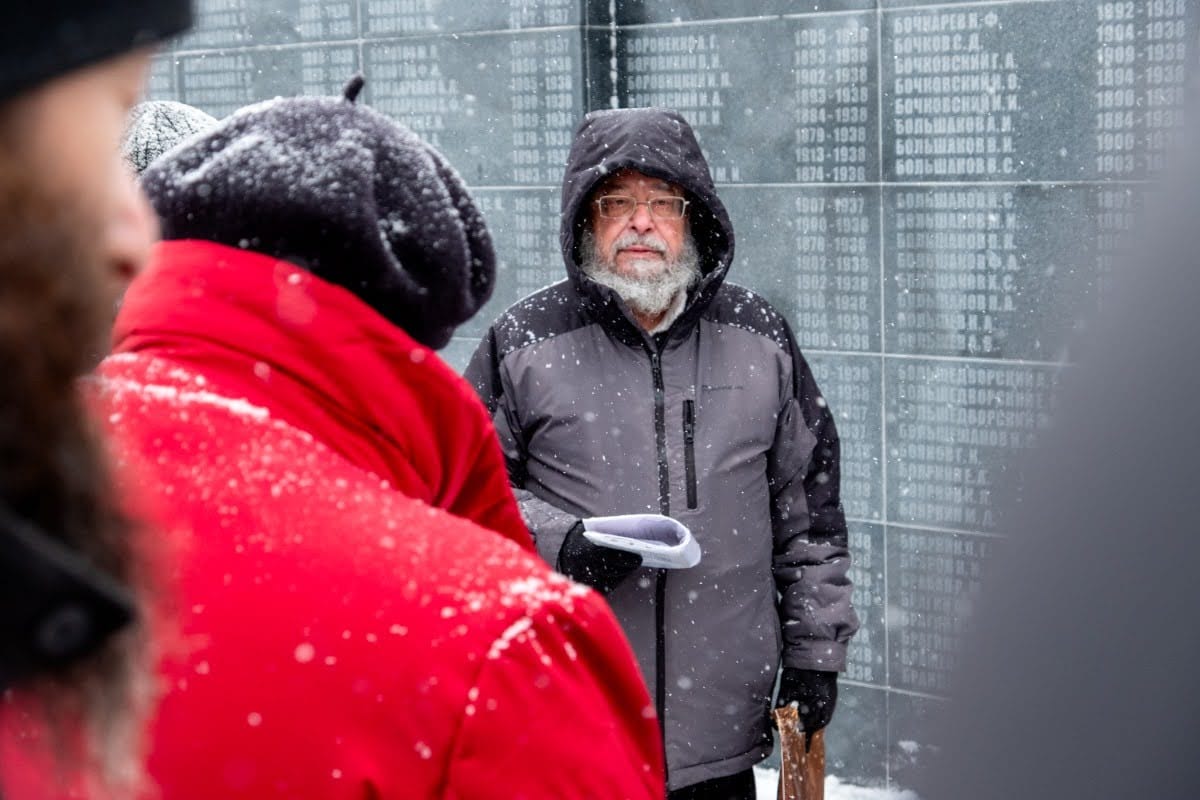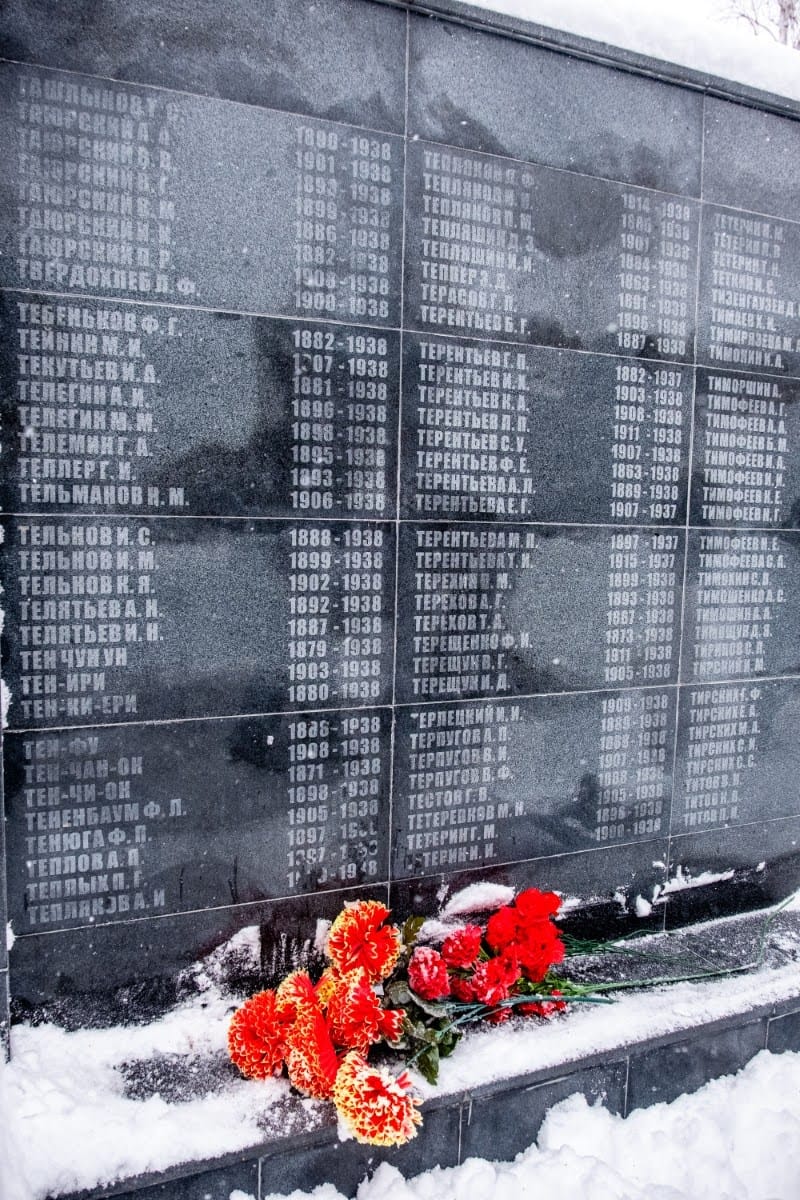
A heavy snowstorm sweeping through the forests outside Irkutsk did not stop the city's Jewish community from making its annual pilgrimage to the Piyovrikha execution site. Members gathered in the Siberian forest to honor Jews killed by the Soviet regime in the late 1930s, maintaining a tradition now in its twentieth year.
Despite brutal cold and whiteout conditions, the community turned out in force, ensuring a full minyan for Kaddish and communal tefillah at the memorial site deep in the woods.
The gathering marks two decades of an unbroken communal practice: each year, Irkutsk Jews travel to the forest clearing where their predecessors were executed, either for keeping the flame of Yiddishkeit alive or on false charges fabricated by the Communist authorities.
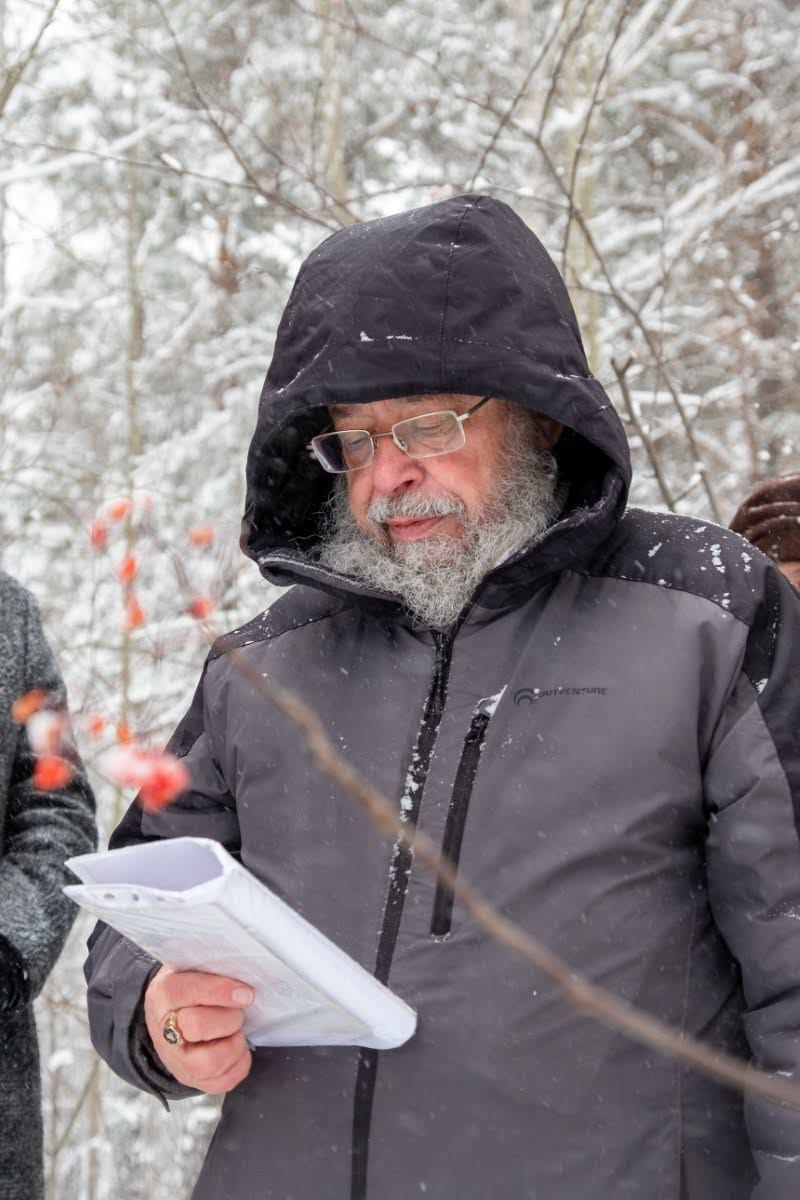
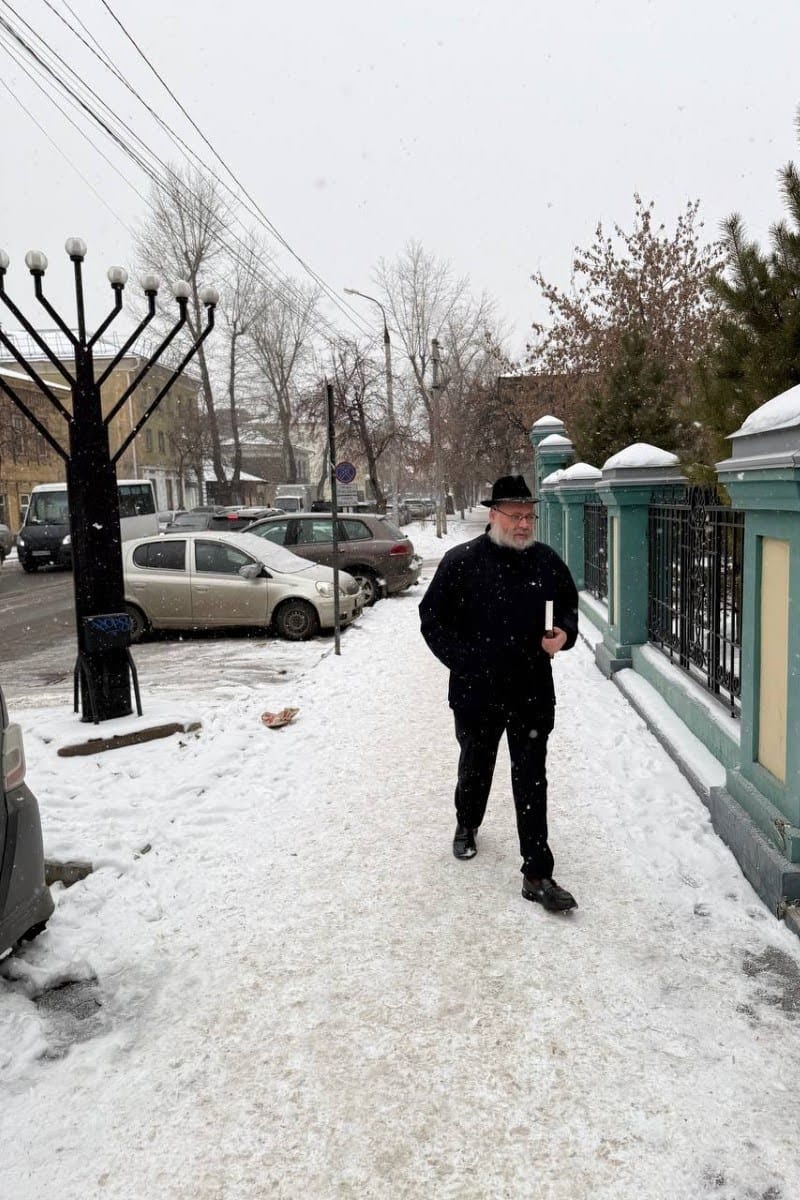
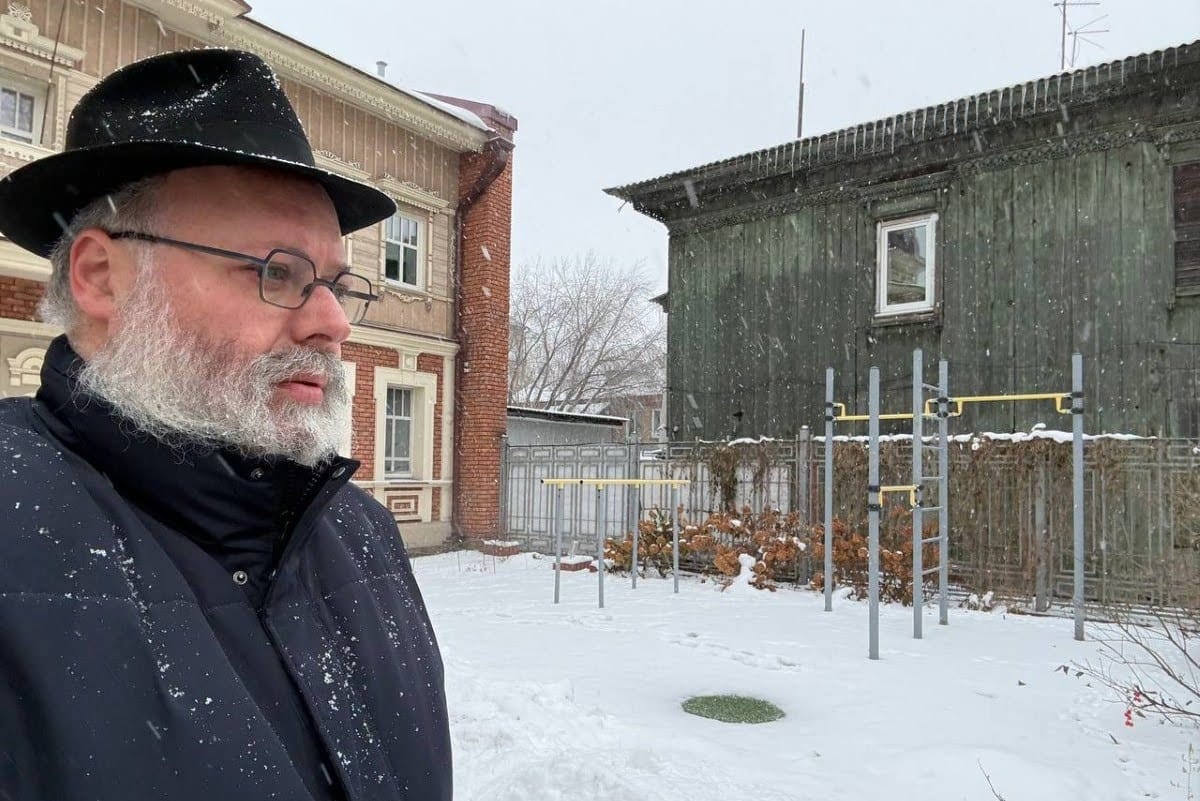
Rav Aharon HaKohen Wagner, rav of Irkutsk, addressed the community before they set out from the central shul. Unable to enter the burial ground himself due to the sanctity of kehunah, the rav sent words of chizuk with those heading into the forest. He spoke of the inner meaning of Jewish memory, citing the well-known teaching that a person lives as long as his memory endures in the hearts of others. Rav Wagner emphasized that the true victory over those who sought to uproot Yiddishkeit in Siberia is the thriving community that has grown from the ashes: every tefillah, every shiur, every mitzvah performed in Irkutsk today brings immeasurable nachas ruach to the neshamos of the kedoshim Hy"d.
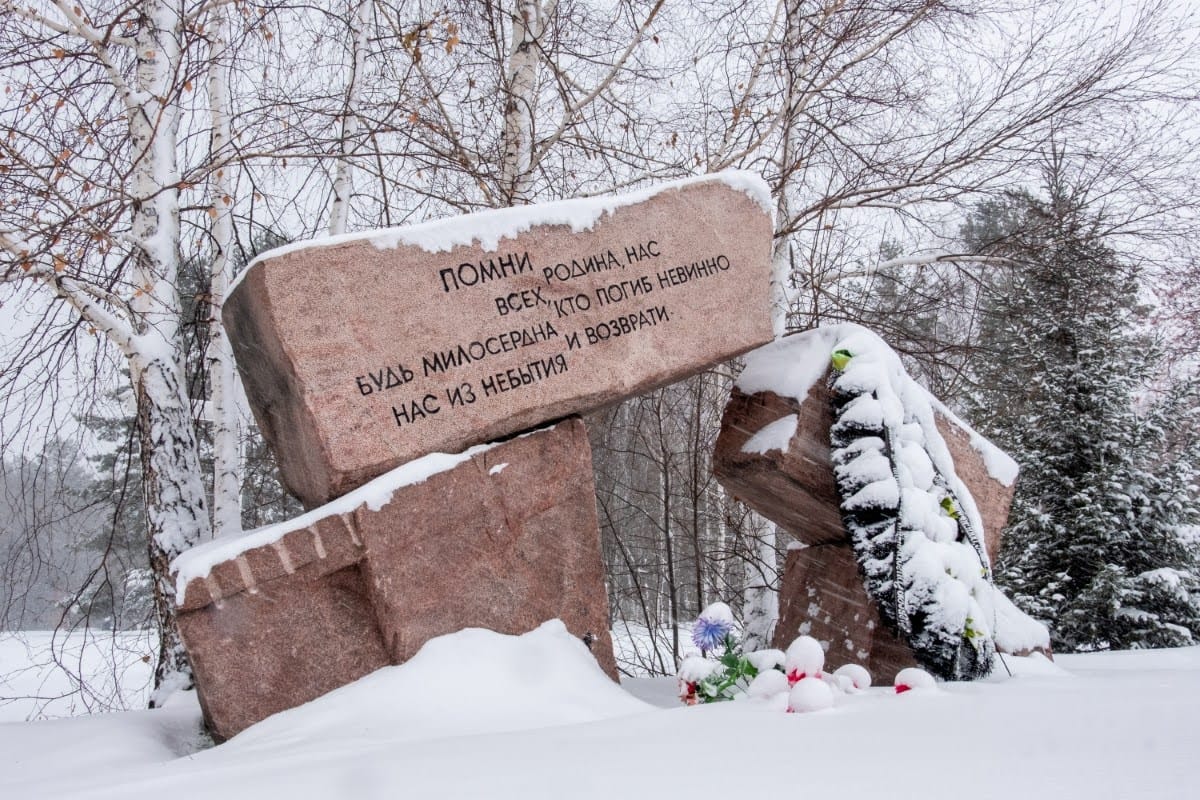
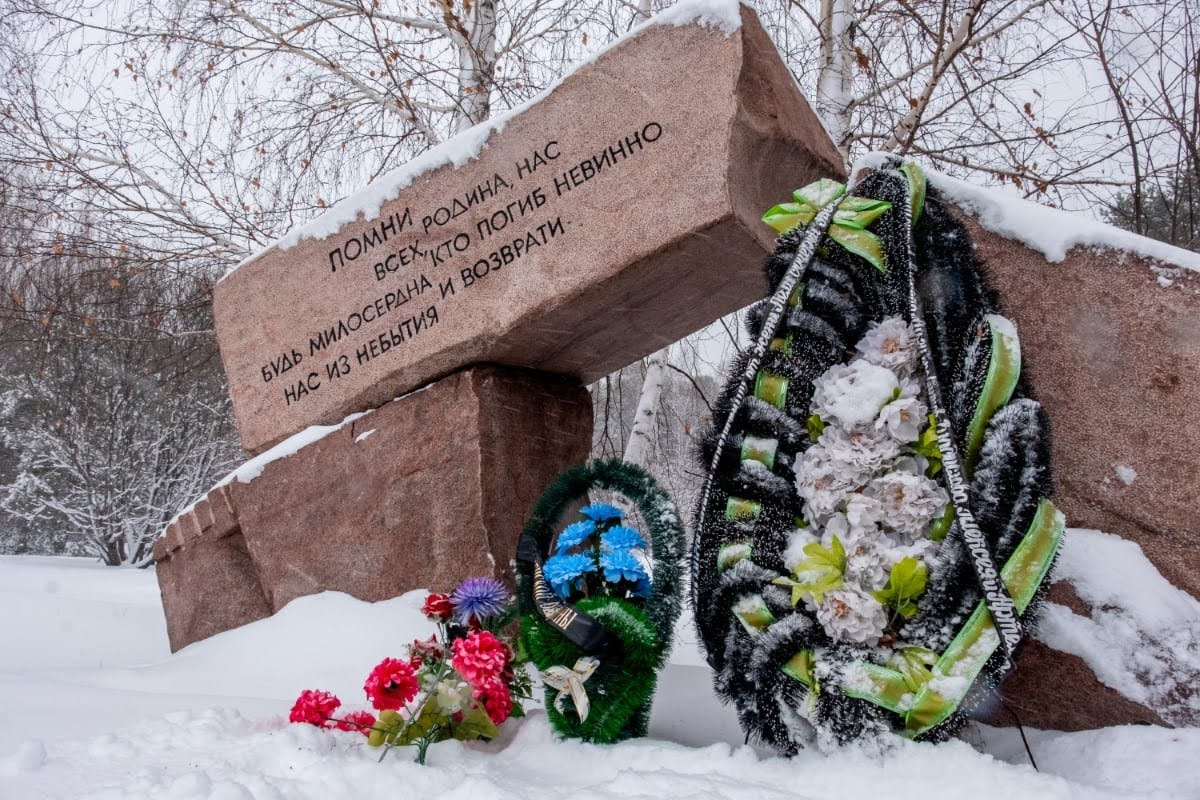
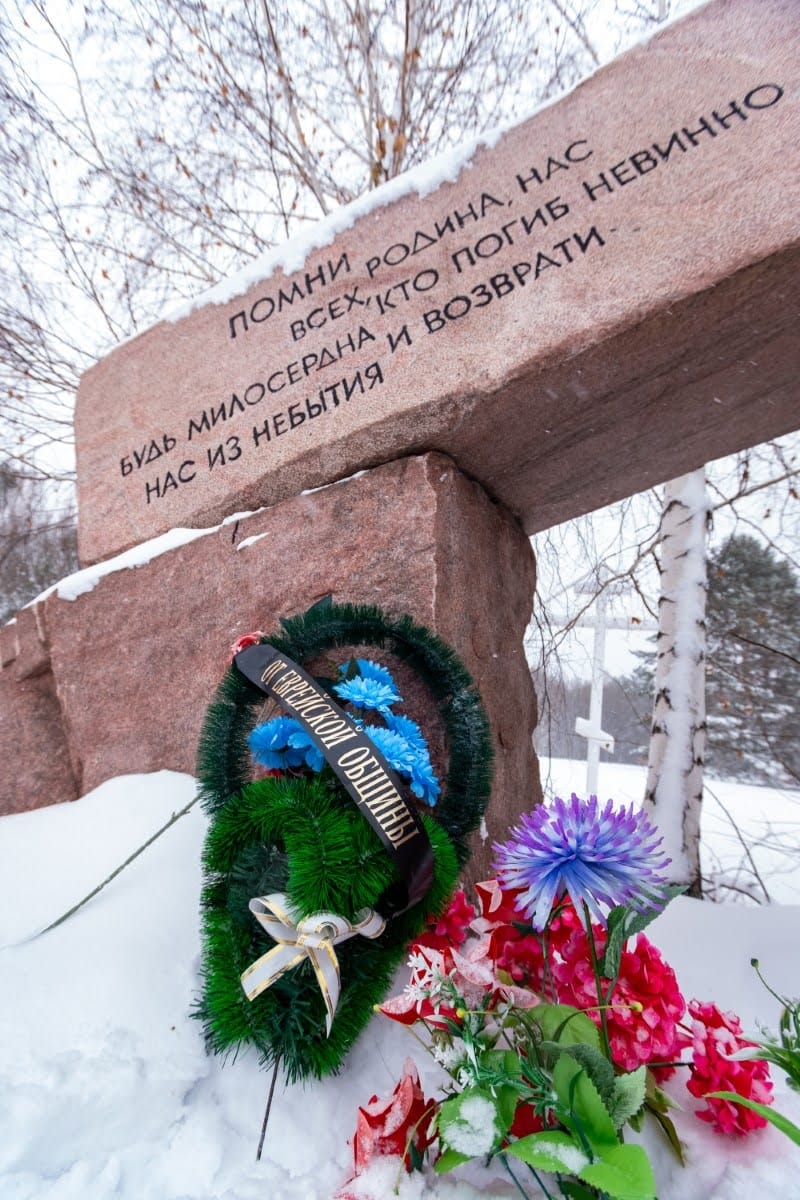
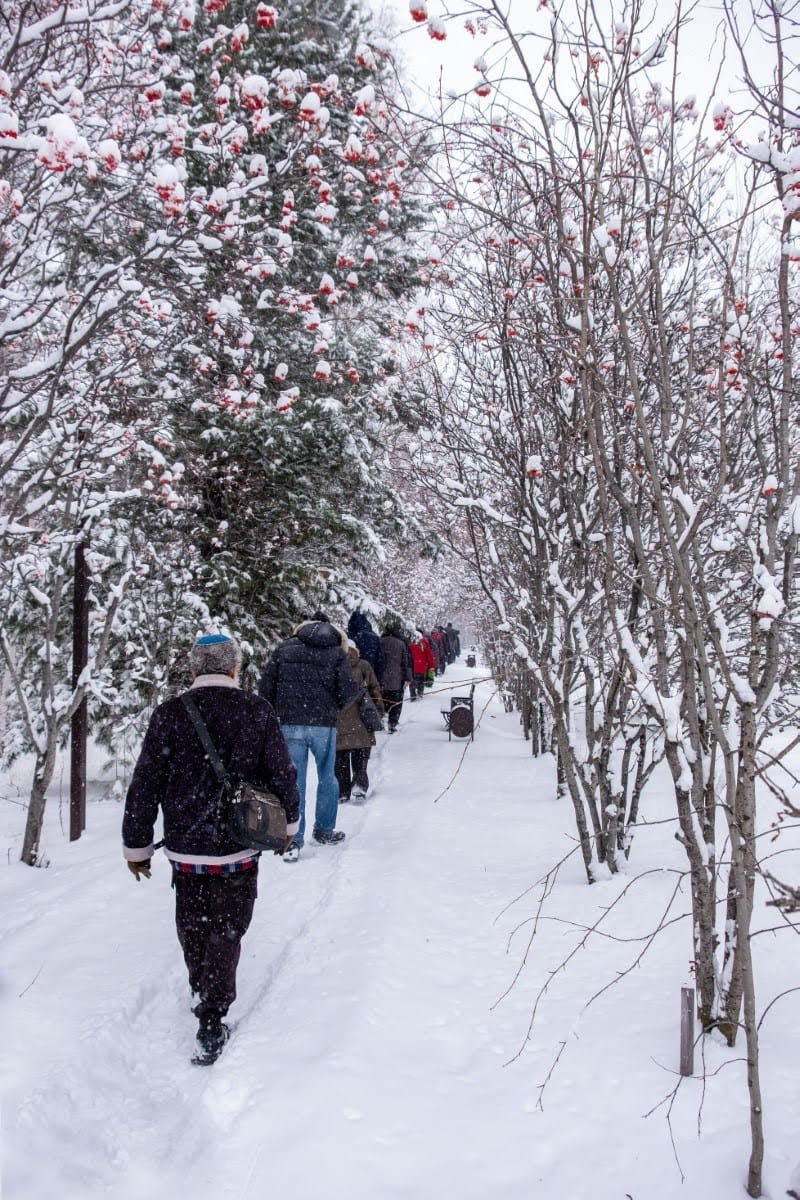
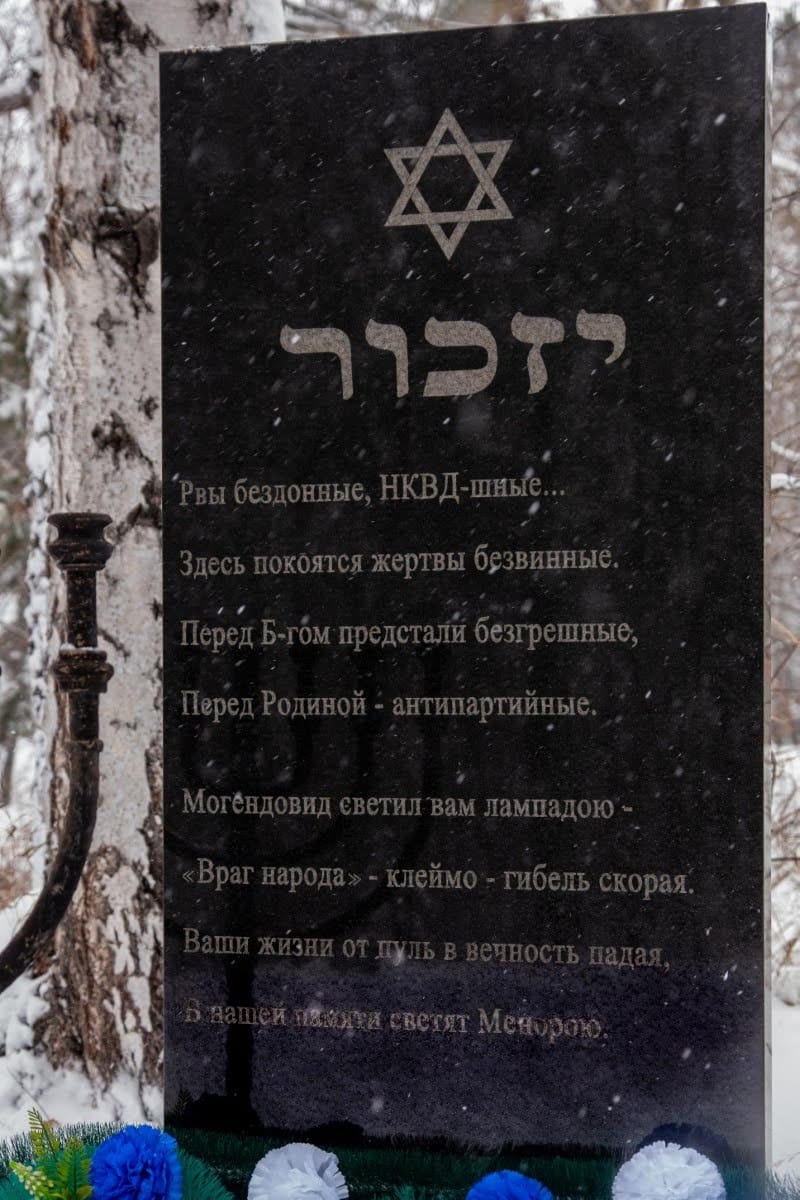
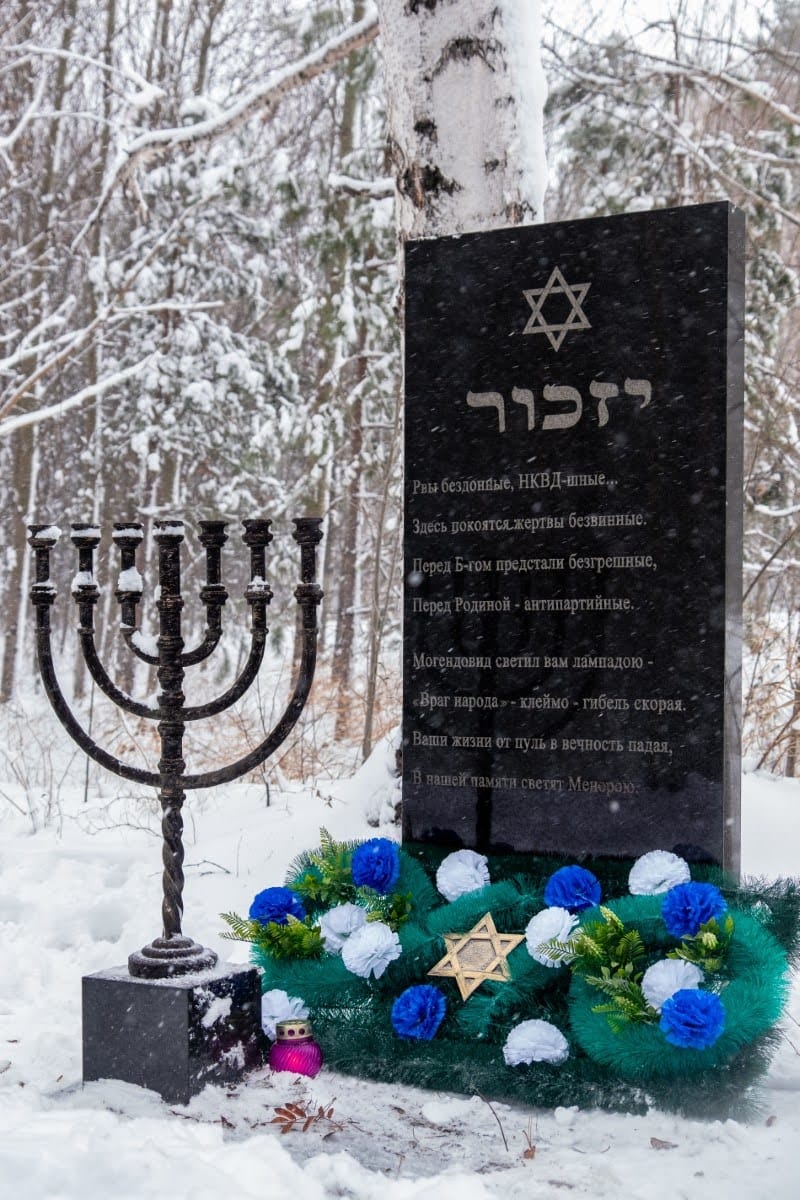
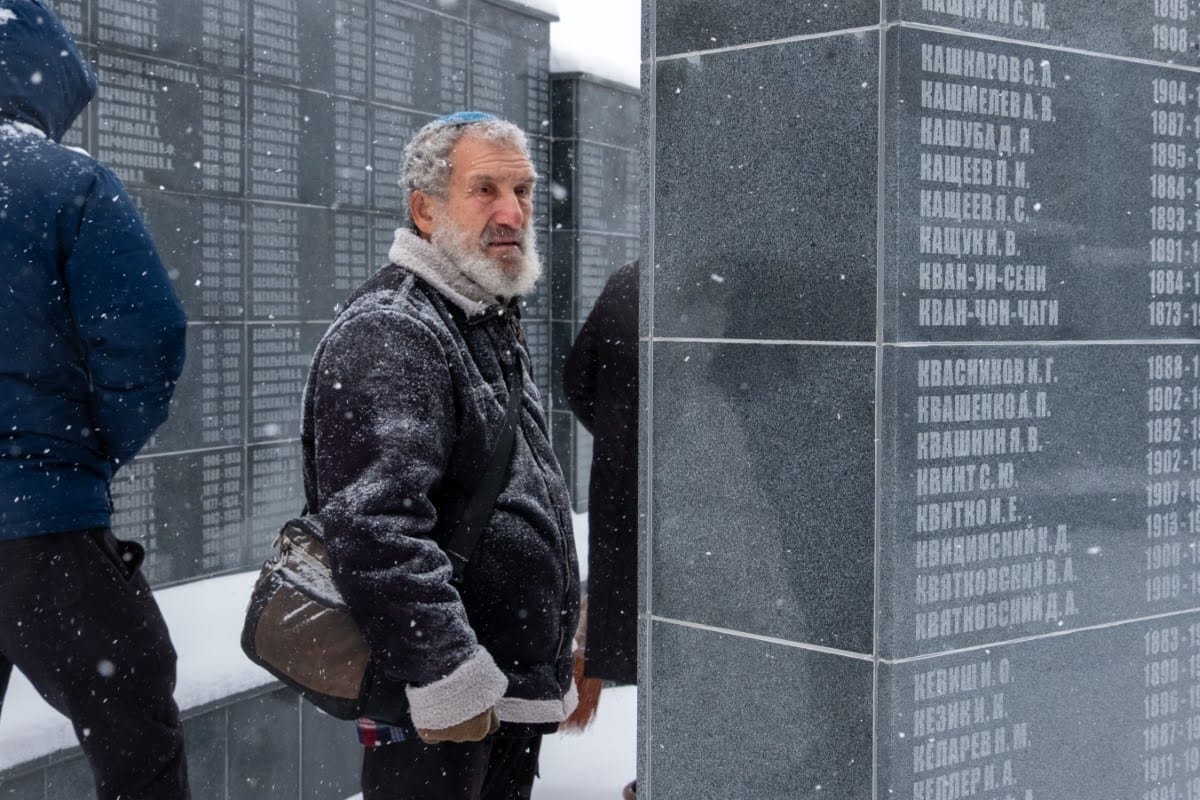
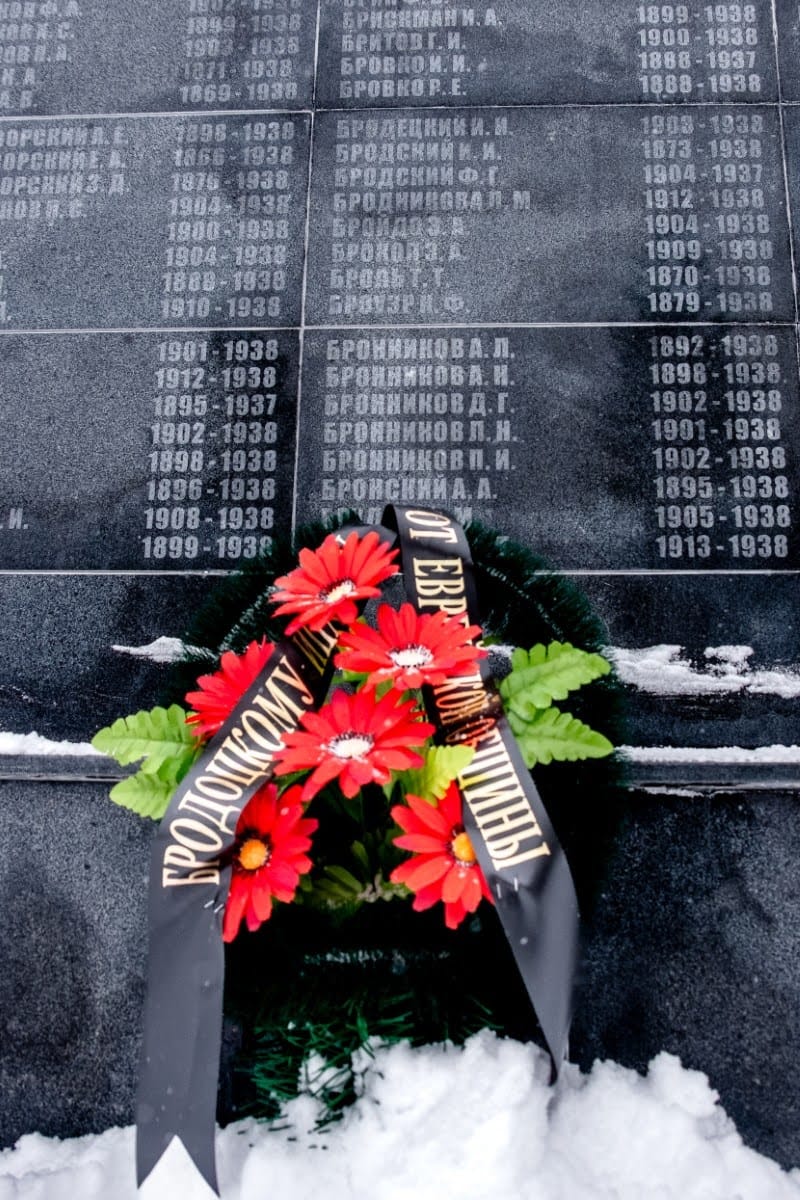
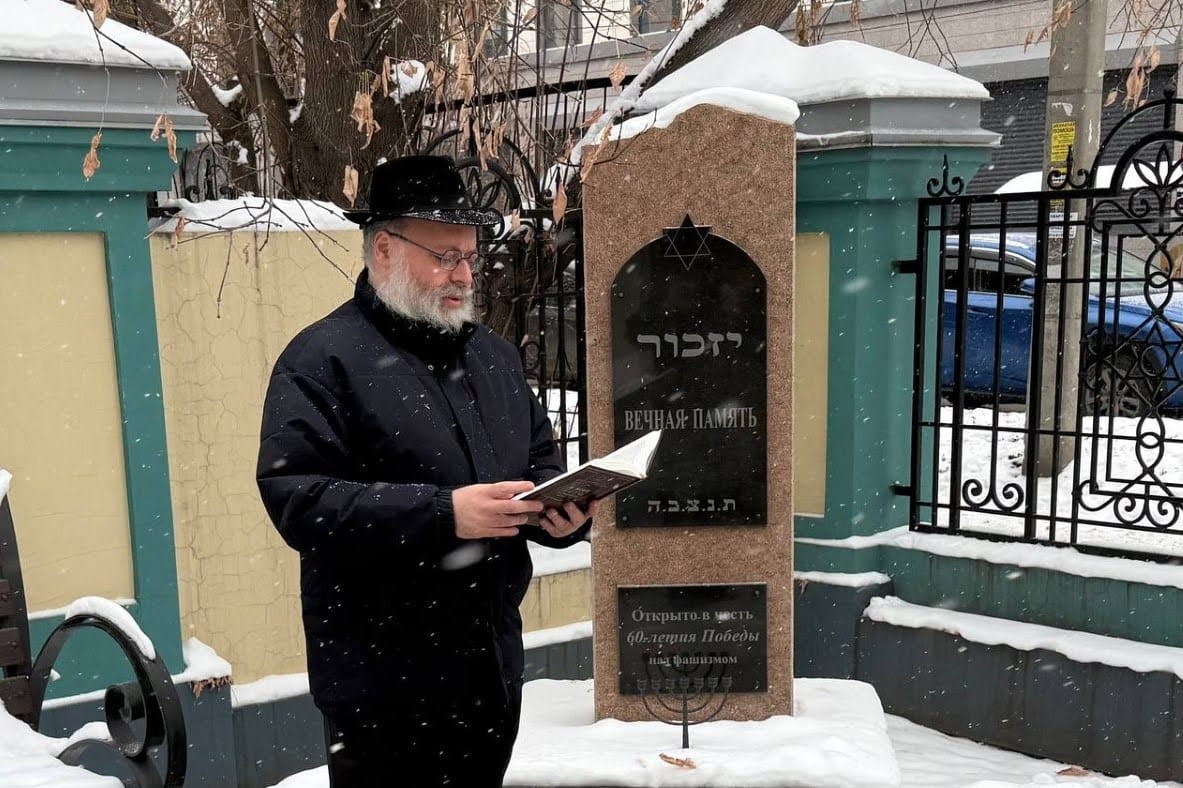
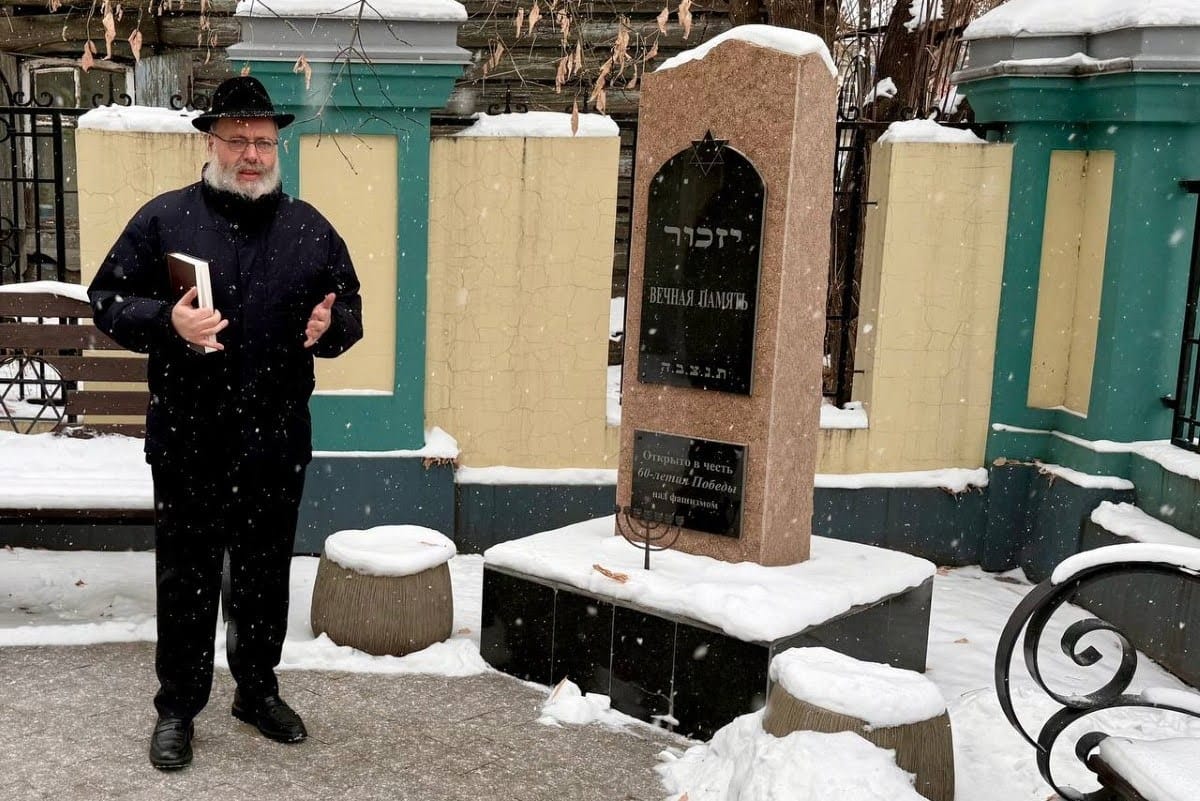
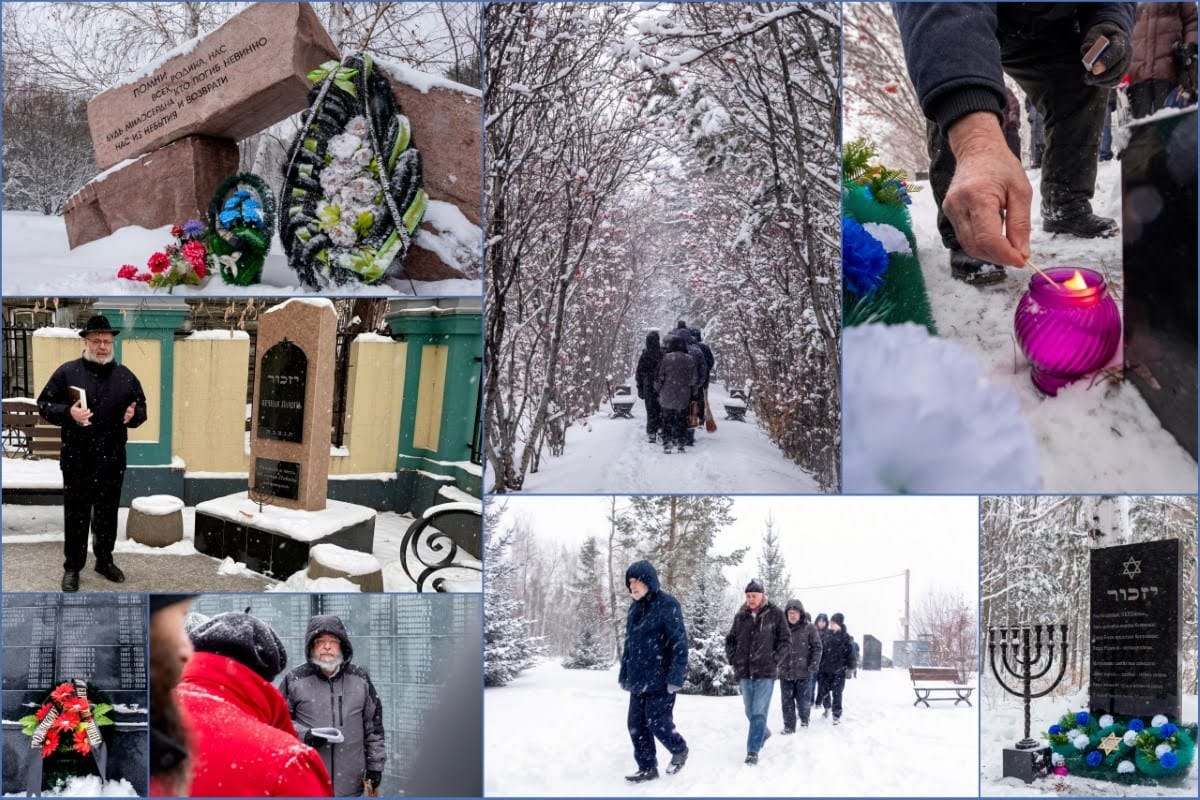
Participants walked snow-covered forest paths and stopped at several key points across the site. They began at the memorial stone near the entrance gate, continued to the main Jewish monument, and stood in silence before the granite marker bearing the name of the kadosh Reb Yitzchak Brodutsky Hy"d. Though officially serving as shamash of Irkutsk's historic shul, Reb Brodutsky was a talmid chacham of stature who maintained deep Torah correspondence with gedolei olam, most notably with the Gaon Reb Yosef Rozin zt"l, the famed Rogatchover. Alongside his learning, he carried the public burden of raising and transferring critical funds for Yeshivas Tomchei Temimim and Yeshivas Mir, until he was arrested by the authorities and executed at this site in 1938.
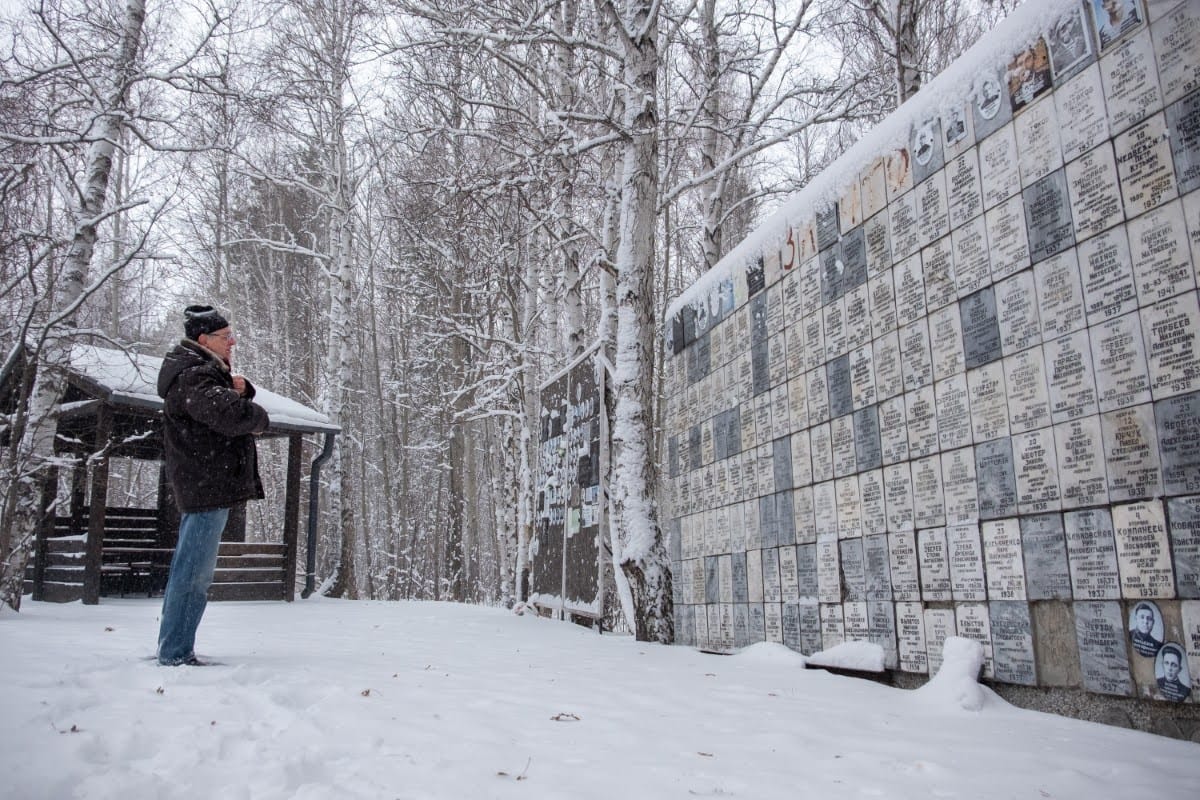
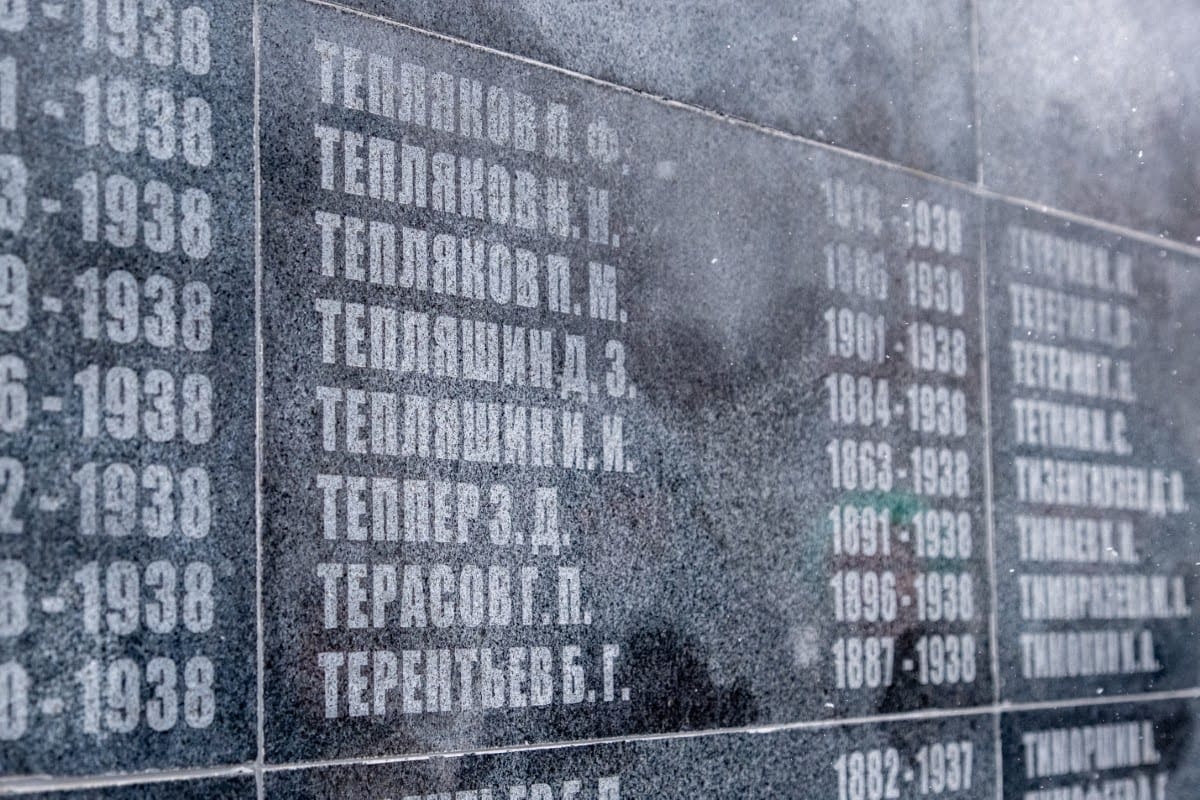
A particularly moving moment came when community member Mrs. Yelena Ivanova approached the memorial plaque bearing her grandfather's name: the kadosh Reb Z. D. Teper Hy"d, born in 1891. Her grandfather, a Jew who earned his living as a cutter in a shoe-manufacturing cooperative, was arrested on a fabricated charge of serving as a Polish spy and executed in the Piyovrikha forest in Tishrei 1938 (October 1938).
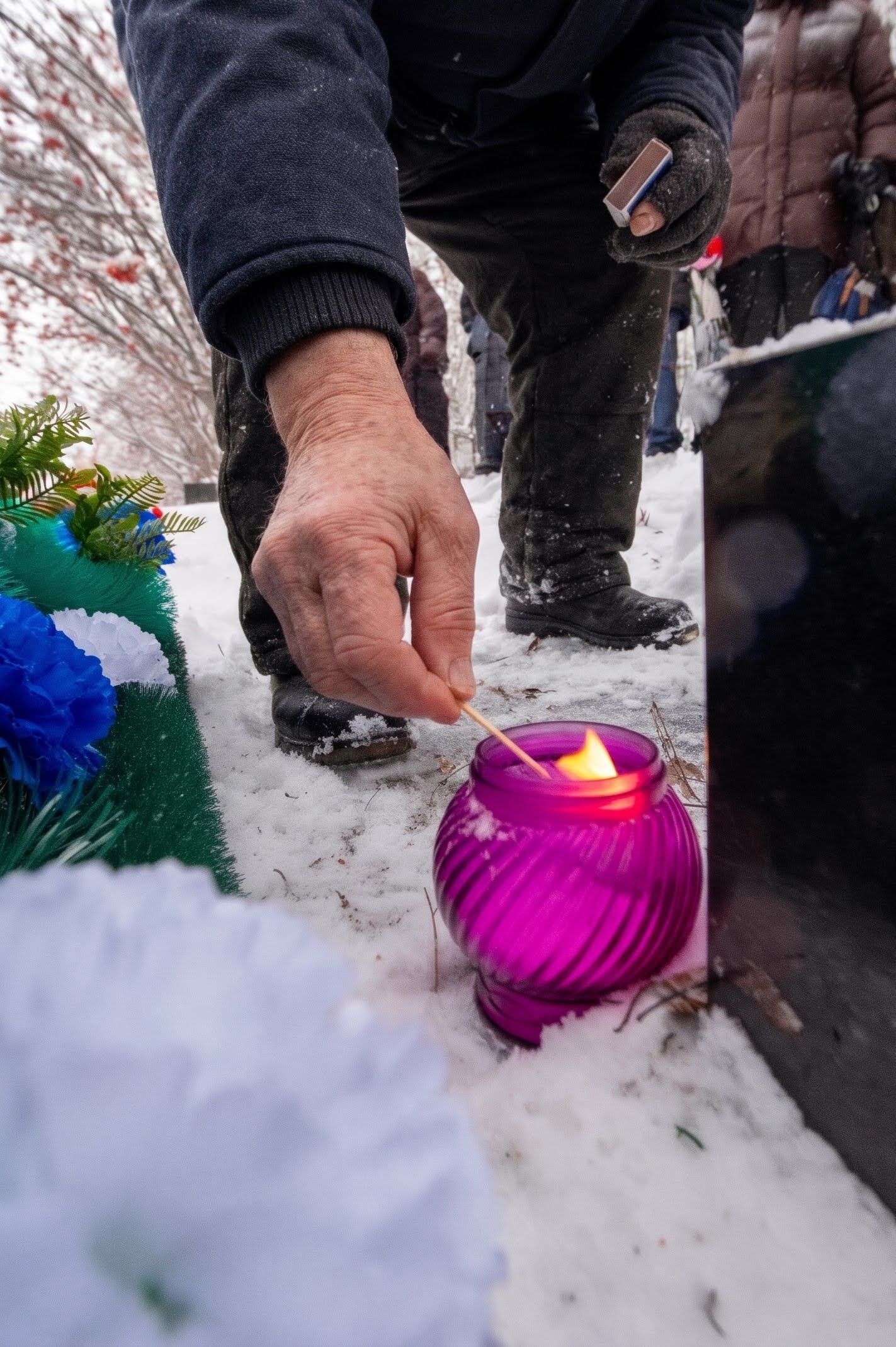
Before the snow-covered markers, participants lit memorial candles that cast a warm glow in the forest darkness, laid wreaths, and recited chapters of Tehillim for the elevation of the neshamos. The preservation of this memorial tradition over two full decades, in the remote forest and under Siberia's challenging climate, is the fruit of sustained effort by the community leadership under Rav Wagner's guidance, working tirelessly to connect the younger generation to its historical roots. Through this persistence, a place that once symbolized fear, silence and the erasure of identity has become a site where Jews stand with pride, daven to their G-d with heads held high, and proclaim the eternity of Am Yisrael.
After the recitation of Kel Malei Rachamim and Kaddish echoing through the forest trees, participants made their way back to the central shul in the city with a deep sense of shlichus. Community members accepted upon themselves hachlatos tovos in added Torah, tefillah and good deeds for the elevation of the neshamos, with a firm commitment to continue passing the torch of memory and Jewish heritage to the generations ahead.