Throughout the Rosh Hashanah prayers, Jews repeatedly ask: "Reign over the entire world in Your glory." Yet in a culture that prizes personal freedom, independence, and individual choice, a fundamental question emerges: What does it mean to desire a king? Does accepting the yoke of Heaven's sovereignty require a person to abandon their own judgment, autonomy, and liberty?
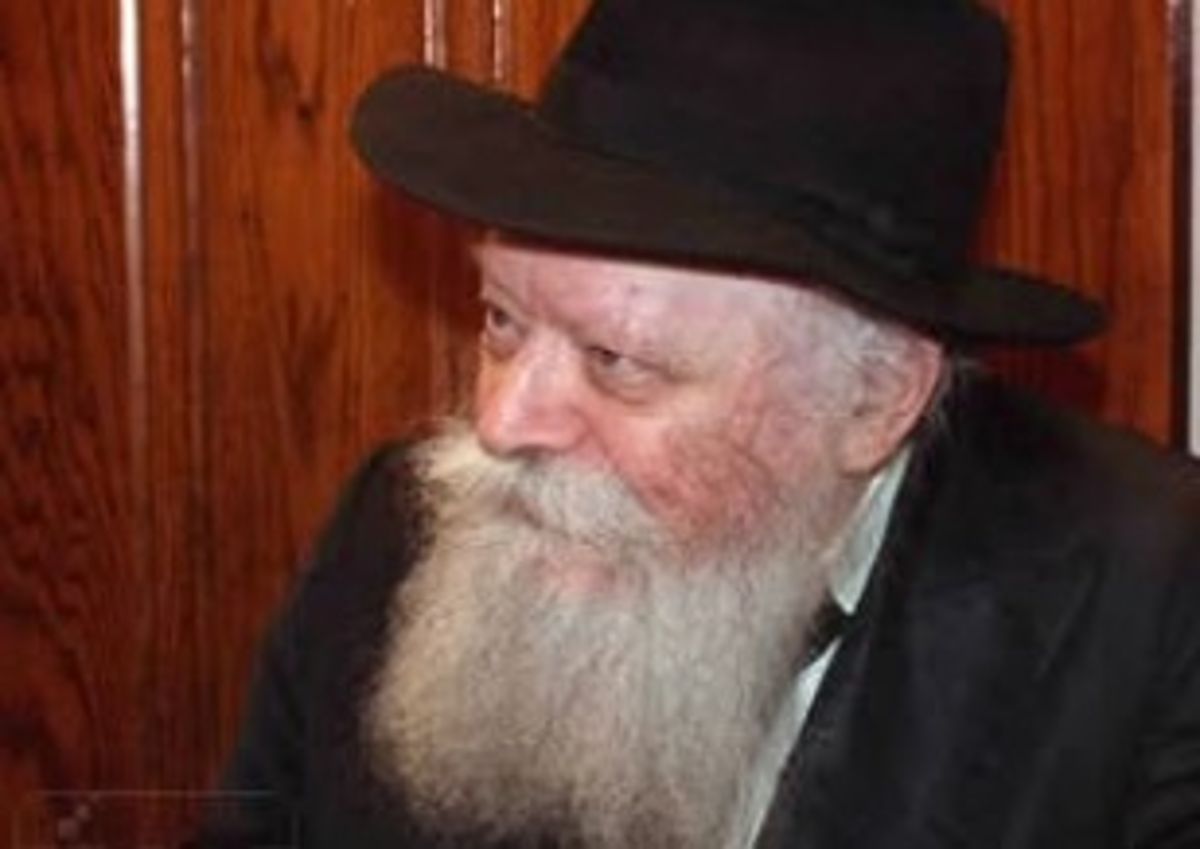
The Lubavitcher Rebbe, Rabbi Menachem Mendel Schneerson, leader of the Chabad-Lubavitch movement, addressed this question directly in a general letter written for the Teshuva period before Rosh Hashanah in 1968. This was an era when young people across America were rebelling against every form of authority and institutional structure. Rather than dismissing the spirit of the times or lowering expectations, the Rebbe revealed a profound insight: precisely those who do not automatically obey external commands are capable of choosing God from a place of deep, internal recognition. Their acceptance of divine sovereignty stems not from social pressure, but from an authentic decision with genuine personal validity.
What distinguishes stones piled onto someone's shoulders on the street from weights they choose to lift at the gym? Why is swallowing bitter medicine from a trusted physician an act of responsibility and self-respect? And how can accepting the yoke of Heaven's kingship be the most precise way to live in accordance with our truest selves?
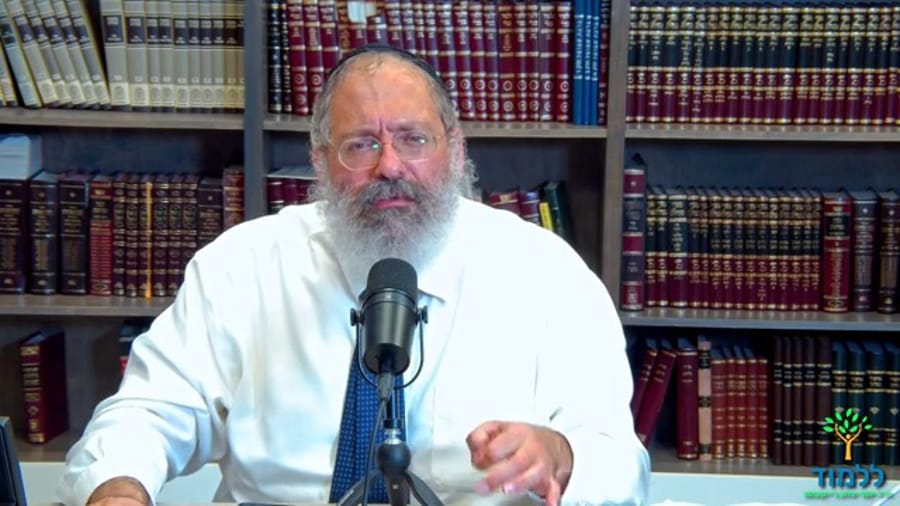
Rabbi YY Jacobson, a prominent Chabad speaker and teacher, offers a profound preparatory lesson for Rosh Hashanah that delves into the meaning of crowning God on the Jewish New Year. He reveals the unique virtue of our generation and explains why genuine acceptance of divine sovereignty doesn't arise from fear or coercion, but rather from trust, love, and recognition of the One who created us and desires our wellbeing.