As the Hebrew month of Elul begins, the traditional period of introspection before the High Holidays, many Jews approach it with dread: another round of soul-searching, another confession, another reminder of falling short. But does authentic repentance require self-loathing?
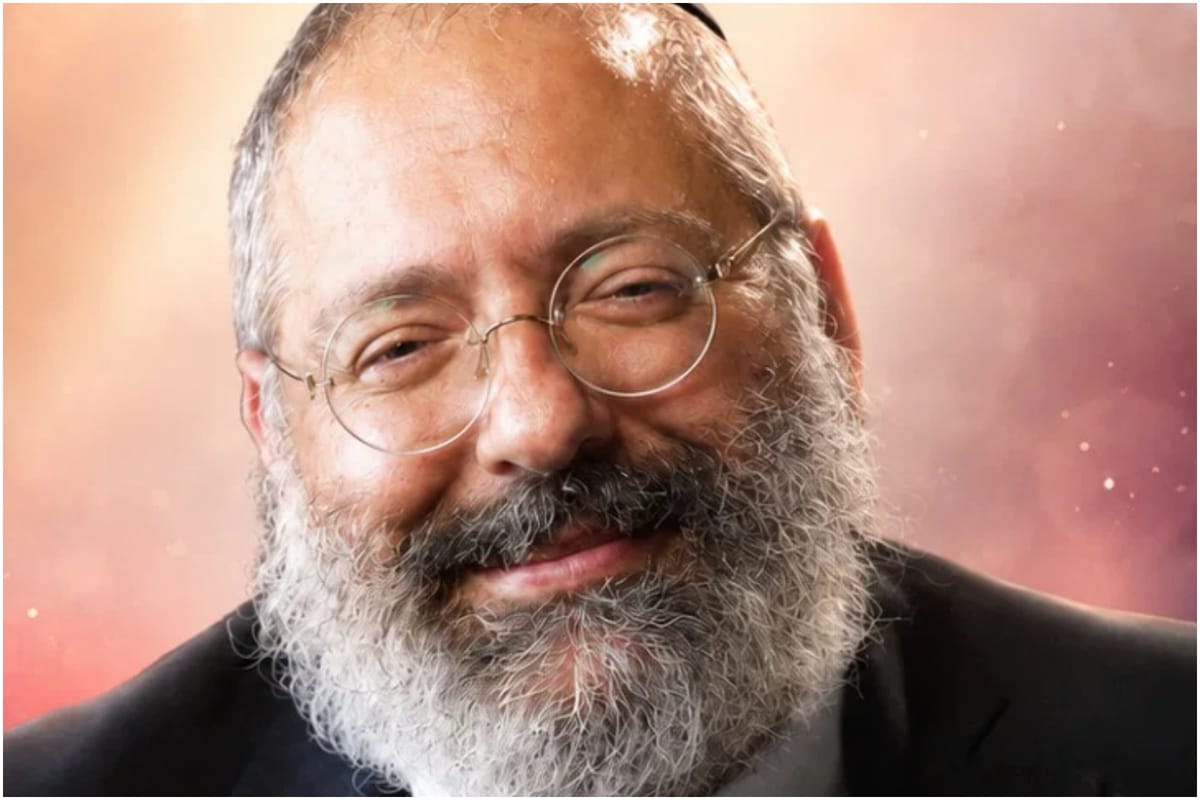
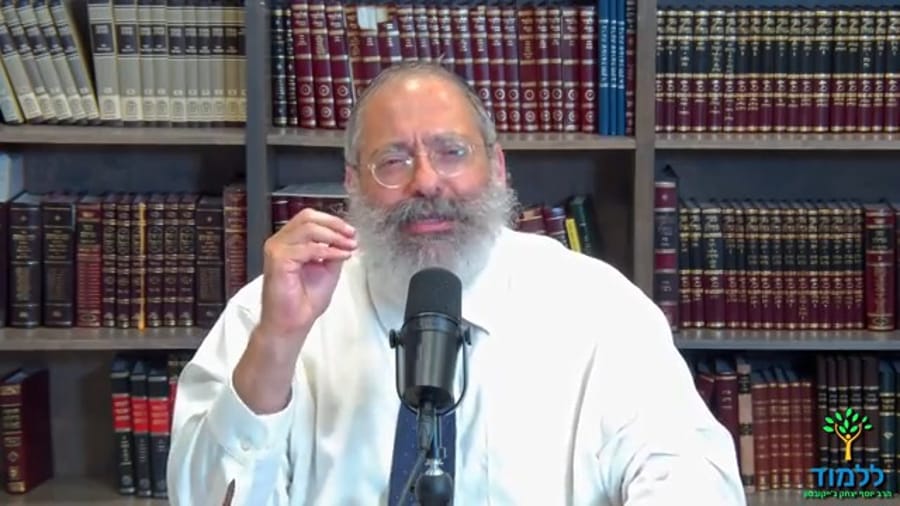
Rabbi Yosef Yitzchak Jacobson, a prominent Hasidic teacher and speaker, addresses this question by revisiting a remarkable Talmudic debate that lasted two and a half years: Would it have been better for humanity never to have been created at all? Through the mystical interpretation of this dispute, he unpacks what repentance truly means, not believing we are fundamentally flawed, but returning the soul to its source and rediscovering the pure essence within.
In a candid moment, Rabbi Jacobson acknowledges he continues working on this himself. He explains how shame and internal wounds can transform into hatred, disputes, and conflict, asserting: "In recent years I haven't seen a deep conflict that wasn't born from trauma and inner wounds."
Why do even major accomplishments sometimes fail to make us feel worthy? Why can't we give others love we don't have for ourselves? And how can we enter Elul with repentance rooted in joy and inner peace?
The teaching offers a profound and healing perspective on self-love, love of fellow Jews, and the path back to one's true self.