Get our mobile app
Download on the App StoreGet it on Google Play

Diplomatic Battlefield

Israel Blocked Turkey S-400 Sale to UAE

Ankara tried to offload Russian air-defense batteries to Dubai in exchange for American stealth fighters, until Jerusalem intervened and the Emirates backed out. 

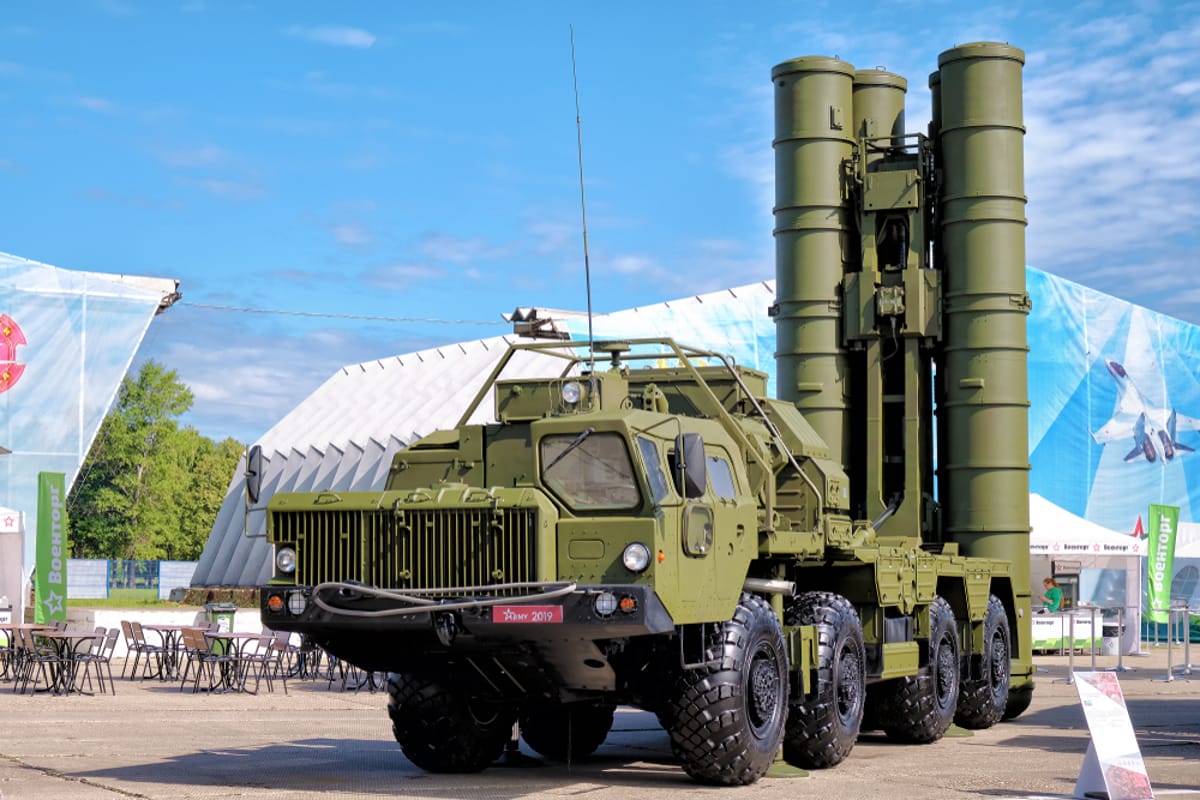
The S-400 system

Beneath the surface of Middle Eastern diplomacy, a new battle is rattling the defense establishments in Jerusalem and Ankara. Turkish President Recep Tayyip Erdogan has decided to play with fire: he is trying to offload the Russian S-400 air-defense batteries that brought American wrath down on his head, all in order to get his hands back on the advanced F-35 stealth fighters.

Standing on the front line to block this dangerous move is Israel, which is working at full strength to prevent Turkey's aerial upgrade. And in the meantime, despite years of choking sanctions, the Turkish defense industry continues to grow and thrive without restraint.
2019 will be remembered as the moment Erdogan blew up the relationship with Washington. For an astronomical sum of $2.5 billion, Turkey purchased the S-400 defense systems from Russia and ignited an unprecedented diplomatic storm. The Americans were furious and warned that the Russian radar would expose the stealth signature of the F-35 jets and pass the secrets straight into Putin's hands.

Washington quickly brought down the axe: Turkey was kicked out of the prestigious stealth program in disgrace, despite having been a full partner that manufactured over a thousand critical components for the aircraft. In December 2020, the lethal sanctions blow landed under the CAATSA law: the heads of Ankara's defense industries were hit with asset freezes, American export licenses were canceled, and the financial pipeline was completely blocked. The result was billions of dollars' worth of Russian hardware remained dumped uselessly in warehouses in Ankara, an embarrassing symbol of the heavy price of Erdogan's gambles.

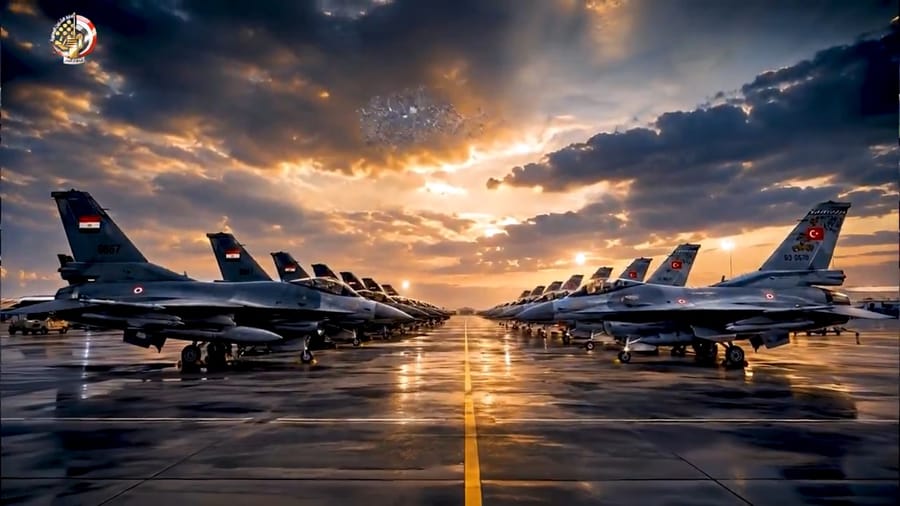
Joint Egyptian-Turkish air exercise
Joint Egyptian-Turkish air exercise (Photo: Egyptian Armed Forces Spokesperson)

The Window of Opportunity and the Secret Plan to Transfer the Batteries

In the summer of 2026, just before the dramatic NATO summit, Donald Trump throws Erdogan a bone and signals that he is open to lifting the sanctions and selling the coveted F-35 jets, on one small but lethal condition: that the Russian batteries physically leave Turkish soil.

Behind the scenes, reports in the Wall Street Journal, Bloomberg and leading media outlets explode: a secret plan is taking shape to transfer the S-400 batteries and their missiles straight into the hands of the United Arab Emirates in Dubai.

But Moscow holds the keys. Kremlin spokesman Dmitry Peskov confirms that contacts are taking place and defines the matter as "very sensitive", since Putin holds veto power over any transfer of Russian military hardware. In Ankara they are already fantasizing about returning to the stealth program and purchasing dozens of aircraft that would restore them to superpower status, but the road there is strewn with mines.

The Israeli Brake: How the Deal Got Stuck at the Last Moment

And then came the Israeli veto. According to dramatic reports that erupted in Turkish media, Jerusalem applied heavy pressure directly on the UAE leadership and demanded that it torpedo the deal. Israel's strategic goal was clear as day: to block at any cost the lifting of sanctions and prevent Turkey from returning to the stealth program. In Jerusalem, they view the acquisition of F-35 jets by Erdogan as a direct and red-line threat to the air superiority of the Israeli Air Force, and they were not prepared to pass over it in silence.

The dramatic result was not long in coming: the Emirates got cold feet, stopped the move, and the entire deal got stuck deep in the mud. While Ankara scrambles and searches for an "alternative formula" to save itself, this battle proves once again that behind the scenes in the Middle East there is one player who is not willing to let Erdogan break through the boundaries.

Washington's Boomerang: How the Sanctions Created a Monster

The American attempt to strangle the Turkish defense industry took an ironic and dangerous turn. On one hand, Washington's axe hit the most sensitive points: Erdogan's flagship projects took massive blows, the advanced KAAN fighter jet got stuck in critical dependence on American GE engines, the Altay tank and attack helicopters stuttered, and the spare-parts market for F-16 jets was blocked at an astronomical sum estimated at around $20 billion.

But instead of collapsing under the pressure, Ankara responded aggressively and turned the embargo into a mad catalyst for technological independence. The domestic production rate jumped to 85%, the number of defense companies exploded to around 4,500, and more than 1,400 active projects were released into the field. The numbers speak for themselves: defense exports soared from only $2.3 billion in 2020 to more than $10 billion in 2025 (and around $11.2 billion in the last twelve months), with companies like Baykar becoming global drone powers. The sanctions did not break Turkey, they forced it to build an independent war machine, which still bleeds without foreign components at the peak of technology, but demonstrates frightening resilience.

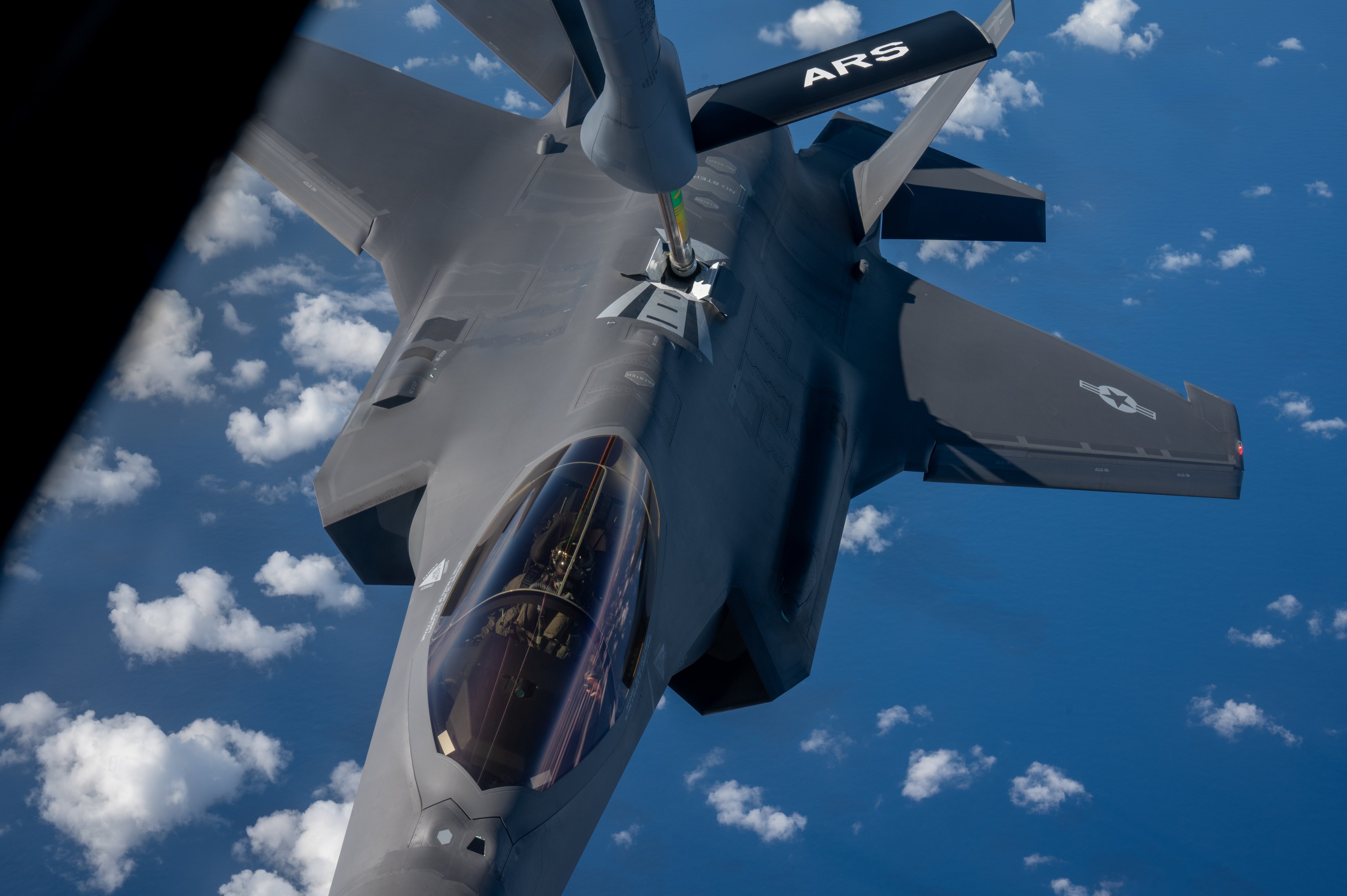
F-35 Lightning II stealth fighter
F-35 Lightning II stealth fighter (Photo: U.S. Air Force)

The Losers and Winners: Who Is Really Running the Game in the Region?

The earthquake around the S-400 batteries and the stealth fighters is shaking the entire regional board, and every player is trying to recalculate their course:

  1. Israel: Storms onto the field to block every crack in the wall, and guards with its teeth the unshakeable air superiority of the Israeli Air Force against Erdogan's ambitions.

  1. United Arab Emirates: Trapped in an explosive timeline.

On one hand, they need every possible defense envelope against the Iranian threat; on the other hand, they understand that it is impossible to bend Washington, and certainly not to step on Jerusalem's toes.

3. Russia: Stands on the sidelines and profits big.

From Putin's perspective, as long as his hardware remains center stage and demand is maintained, he has done his part.

Dead End or Breakthrough? Erdogan's Last Cards

As of September 2026, the picture on the ground is far from closed: the S-400 missiles are still stuck deep in Turkish soil, and the American stealth fighters continue to remain a distant fantasy. But Erdogan does not intend to stop and he is pulling out options from all directions. Ankara is now examining "creative" formulas for making the systems disappear, from complete deactivation to partial transfer, alongside a wild acceleration of developing domestic defense systems and a feverish search for alternative buyers (such as Qatar, which has already been mentioned as an alternative destination).

But Washington has put up a concrete wall in his path: in the American Congress stands a rigid and stubborn bipartisan firewall that torpedoes any chance of a quick return to the F-35 program. Even if the sanctions are lifted someday, the sale of the mighty fighter jets will require additional grueling approvals and tough political battles that are far from over.

Regional Chess: The Game Is Just Beginning

The bottom line, as of September 2026, is that the regional chessboard is completely open. The S-400 missiles still stand besieged on Turkish soil, the American stealth fighters are far from landing in Ankara, and the tough battle is far from over. The explosive meeting between Israeli diplomatic pressure, Washington's embargo and the industrial monster that Erdogan cultivated with his own hands creates a new and fascinating reality, which will continue to shake the Middle East and change the rules of the game.

Because the story of the S-400 missiles and the F-35 jets was never just another complicated arms deal. This is an unrestrained battle of titans in which muscles are measured between Turkey, Israel, the United States, Russia and the Emirates. Erdogan's defense industry may have emerged from this inferno rougher and stronger, but the road back to a full American embrace is strewn with mines, and the rules of the game in the Middle East have changed beyond recognition.

Ready for more?

Join our newsletter to receive updates on new articles and exclusive content.

We respect your privacy and will never share your information.

Enjoyed this article?

Yes
No
Follow Us:

Unmissable content


Loading comments...

Also of Interest