Get our mobile app
Download on the App StoreGet it on Google Play

Green Addiction

Yemen's Khat Crisis: Water Running Dry

Rare footage from khat plantations reveals how the stimulant leaf is harvested and regrows in just 20 days - and the devastating toll it takes on Yemen's water, agriculture, and families.

The Addictive Plant Draining Yemen's Water and Future

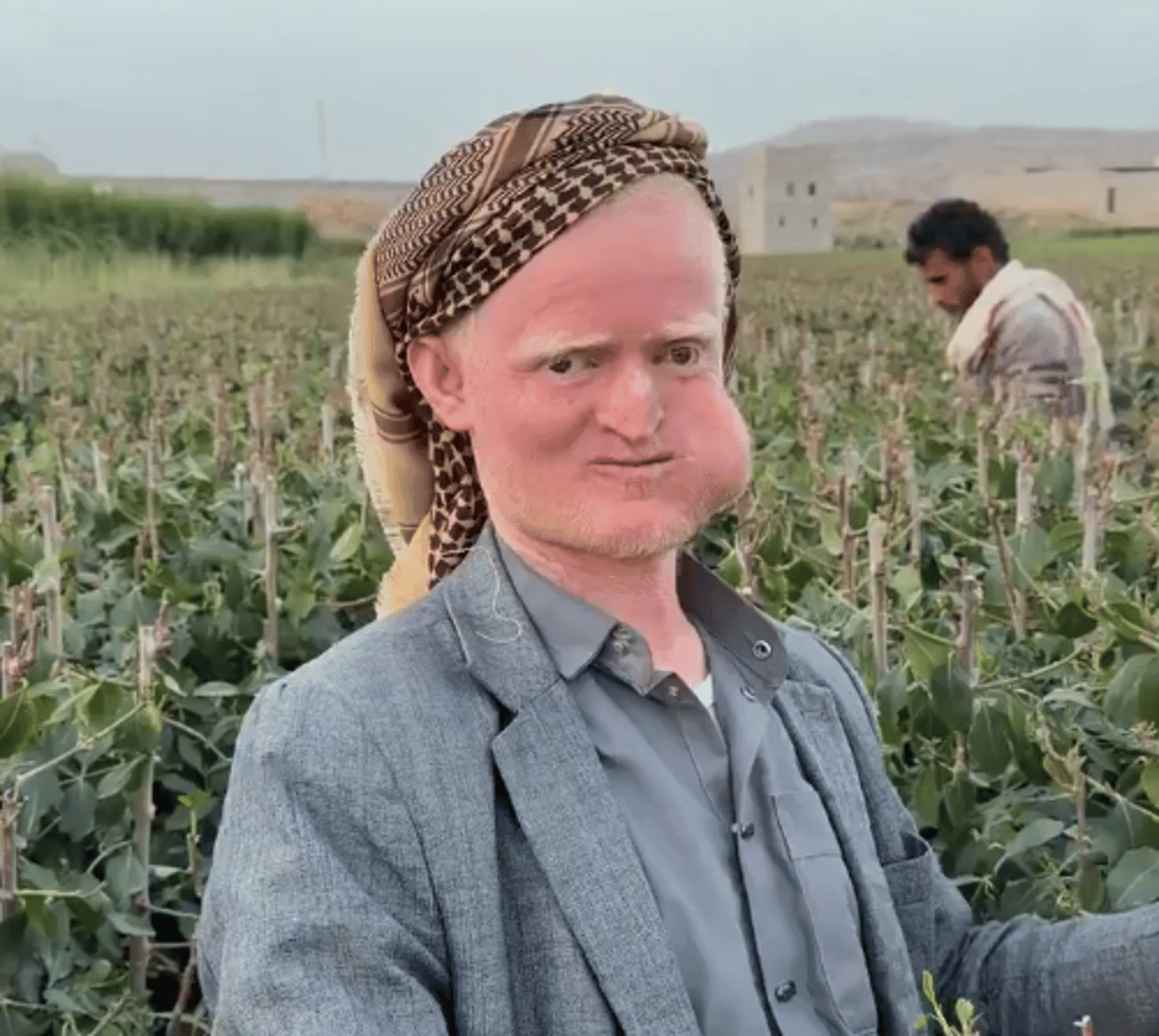
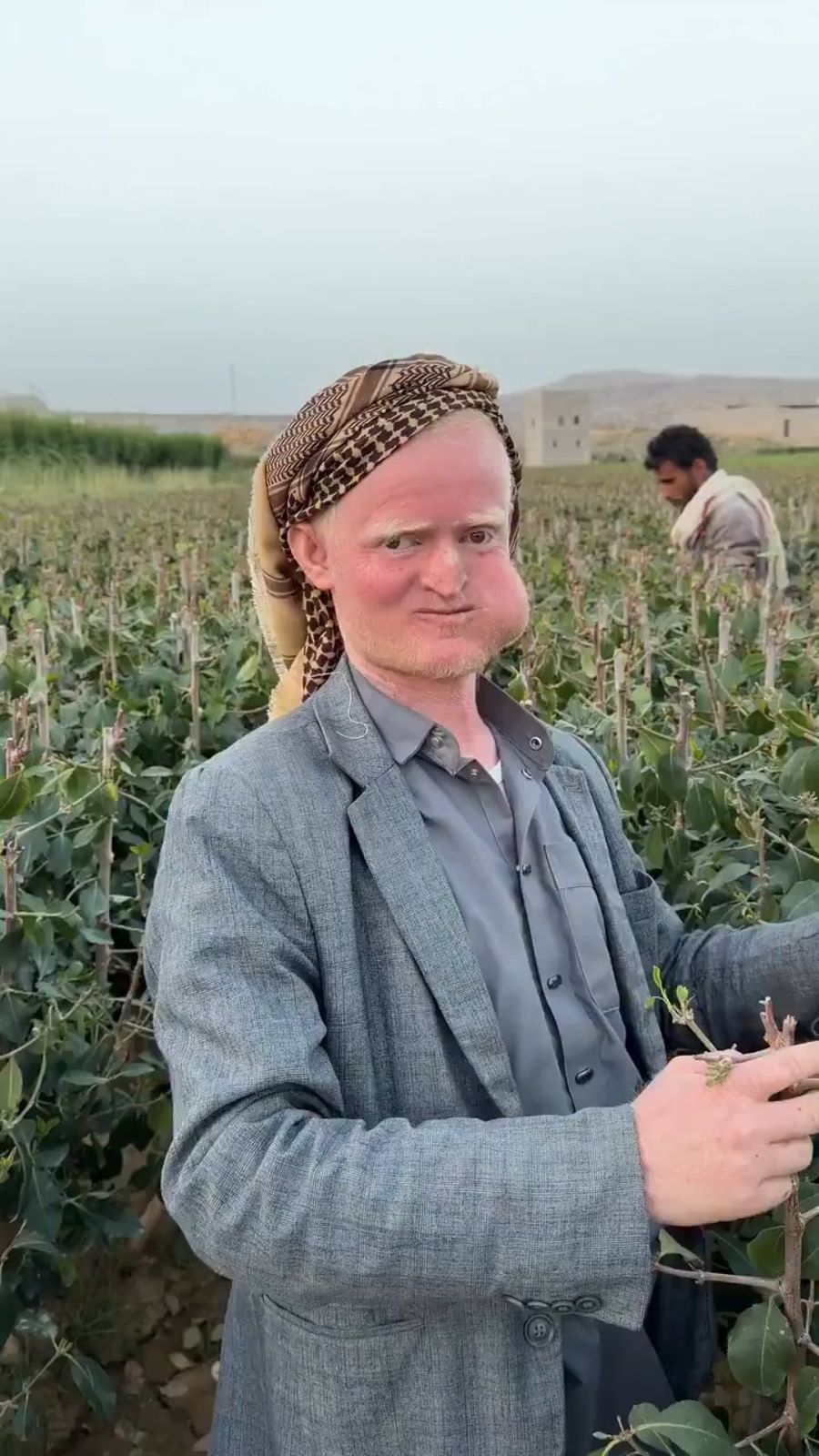
A video distributed by Turkish content creator Selâmi Haktan offers a close-up look at one of Yemen's most iconic agricultural practices: khat cultivation and harvesting. The footage shows a Yemeni farmer pruning khat bushes and explaining the care required for the next growing cycle. According to the explanation in the video, after pruning, the plant rapidly produces new branches, and within approximately 20 days it reaches the stage suitable for harvesting again.

Haktan, known online as Selâmi Haktan, is a Turkish content creator with hundreds of thousands of followers on X. His account regularly features documentation from around the world, historical images, viral videos, and current affairs content.

The addictive plant threatening Yemen
The addictive plant threatening Yemen (Photo: Arab social media)

In Yemen, khat is far more than an agricultural crop, it is a plant woven into the fabric of society and culture. The young leaves are picked fresh, chewed for hours, and stored inside the cheek.

The plant's primary active ingredient, cathinone, is a stimulant associated with feelings of alertness. Afternoon chewing sessions have become over the years a familiar part of Yemen's social routine.

But behind the green bushes and rapid harvesting lies one of Yemen's most severe environmental problems: the water crisis. The country has been grappling for years with a critical shortage of water resources, and khat cultivation consumes a significant portion of agricultural water supplies.

Houthis chewing khat
Houthis chewing khat (Photo: Shutterstock)

According to an analysis published this year by the Sana'a Center for Strategic Studies, agriculture consumes approximately 90 percent of all water withdrawals in Yemen, with khat alone serving as a major factor in groundwater depletion. In certain regions, the study notes, khat's share of extracted groundwater reaches particularly high levels.

UN data also points to Yemeni agriculture's heavy dependence on water and khat's significant role. A UNICEF socio-economic report states that agriculture accounts for approximately 91 percent of water consumption in the country, and that khat crops occupy about 22 percent of irrigated agricultural land while consuming roughly 30 percent of water used for agriculture.

Billions in missiles, plastic bags on feet, and khat in mouth: A glimpse into Houthi-controlled markets
Billions in missiles, plastic bags on feet, and khat in mouth: A glimpse into Houthi-controlled markets (Photo: Arab social media)

The reason farmers continue growing khat is straightforward: it is a crop that yields high income and nearly constant local demand. A study by the UN Development Programme notes that khat has become a significant commercial crop generating income and livelihood for farmers, particularly during a period when war and economic crisis have damaged Yemeni agriculture.

But profitability comes at a price. The expansion of khat cultivation often comes at the expense of other crops, including fruits, vegetables, and coffee, affecting food security in the country. At the same time, groundwater extraction for irrigating the plantations intensifies pressure on water reserves already in dire condition.

Ready for more?

Join our newsletter to receive updates on new articles and exclusive content.

We respect your privacy and will never share your information.

Enjoyed this article?

Yes
No
Follow Us:

Unmissable content


Loading comments...

Also of Interest