In what military officials are calling one of the most complex recovery missions in modern history, an American F-15E navigator was successfully extracted from Iranian territory this past Sunday. The airman had been hiding in hostile terrain for forty-eight hours after his aircraft was downed on Friday over southwestern Iran. The success of the daring operation is being credited to a specialized survival doctrine known as Combat Search and Rescue (CSAR) and a rugged, 800-gram satellite communication device that allowed the navigator to maintain a silent link with command centers thousands of miles away. Despite intensive efforts by Iranian electronic warfare units to jam communications and locate the survivor, the navigator’s ability to send burst-encrypted data ensured he remained invisible to the enemy until the moment his rescuers arrived.
The Technology of Survival
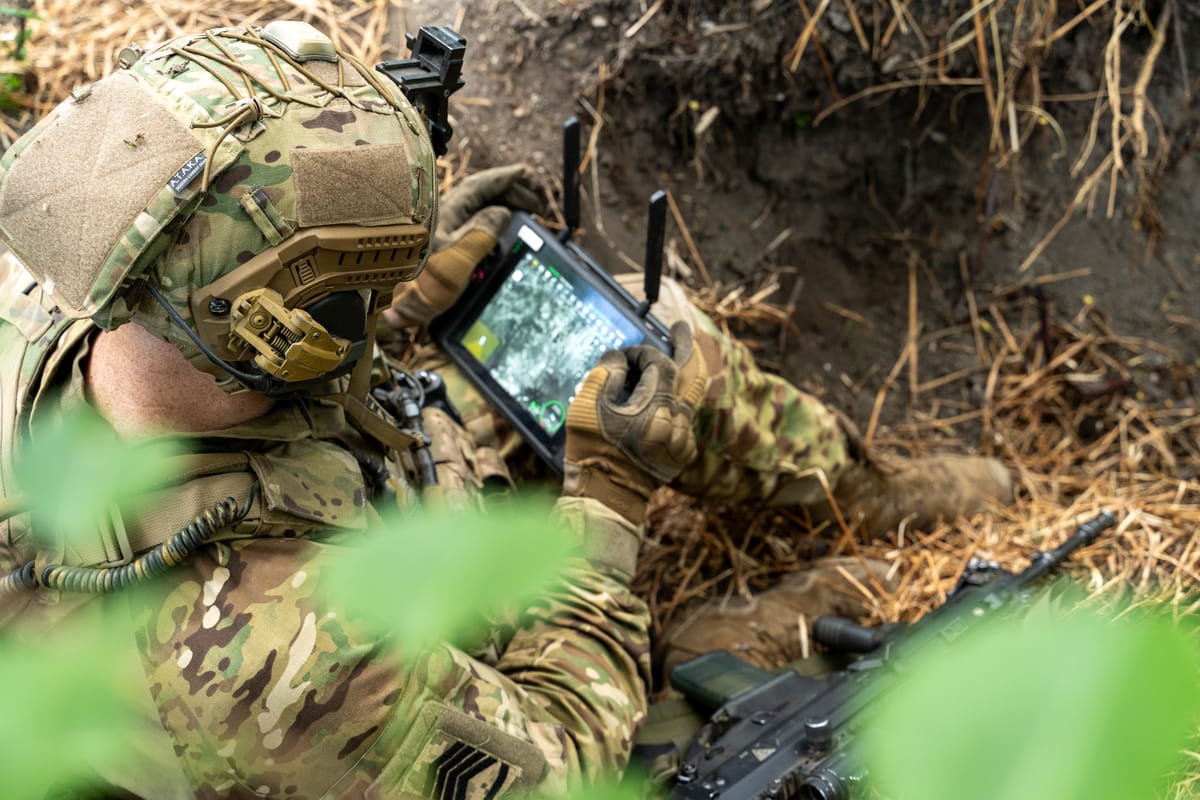
The centerpiece of this survival story is the Combat Survivor Evader Locator, commonly known as the CSEL. Produced by Boeing, the device serves as a lifeline for downed airmen, functioning as a hybrid between a high-durability radio and a tactical handheld computer. Strapped into a specialized survival vest worn over the flight suit, the CSEL is designed to survive the violent forces of an emergency ejection. It features a simple user interface with rubber buttons that can be operated in total darkness or while wearing thick flight gloves. The device continuously transmits precise GPS coordinates and encrypted text messages using "frequency hopping" techniques, making it nearly impossible for enemy forces to intercept or trace the origin of the signal.
During his two days on the ground, the navigator utilized the device’s data communication features to avoid voice contact, which could have given away his position. He sent pre-defined messages such as "ready for rescue at point X" and followed encrypted instructions from the rescue command center directing him to pre-determined "safe hide sites." The CSEL’s extreme durability allowed it to remain operational throughout the ordeal, featuring a battery life of up to 21 days and the ability to function even after being submerged in ten meters of water. By the time the Pararescue Jumpers, known as PJs, arrived via specialized helicopters, the navigator had already synced his location directly to the pilots’ cockpit displays, appearing as a digital icon that updated in real-time as he moved toward the extraction point.
Beating the Jamming
The rescue was a direct test of American technology against sophisticated Iranian electronic warfare systems, many of which are of Russian and Chinese origin. To bypass these defenses, the CSEL utilizes "burst transmissions," compressing a wealth of data into a single packet sent in a fraction of a second. To an enemy listener, these signals sound like random background noise. Additionally, the system relies on a global network of four dedicated military satellite base stations that identify the unique serial number of each device, immediately pulling up the airman’s medical records and authentication codes. While Israel utilizes similar indigenous technology from Elbit for its own 669 rescue unit, the successful recovery of the American navigator in the heart of Iran stands as a definitive validation of the American CSAR doctrine and the small, powerful devices that keep airmen connected when they are most alone.