The implementation of the ceasefire has triggered a dangerous internal power struggle within Lebanon, as rival factions scramble to take credit for the pause in fighting. Hezbollah and its allies are heavily promoting the narrative that the ceasefire was only possible because Iran made it a condition for its own negotiations with the United States. Conversely, supporters of President Joseph Aoun argue that the 10 day window is the direct result of the high level talks held in Washington with the Trump administration. This "credit war" reflects the deep sectarian and political divisions that threaten to tear the country apart from within.
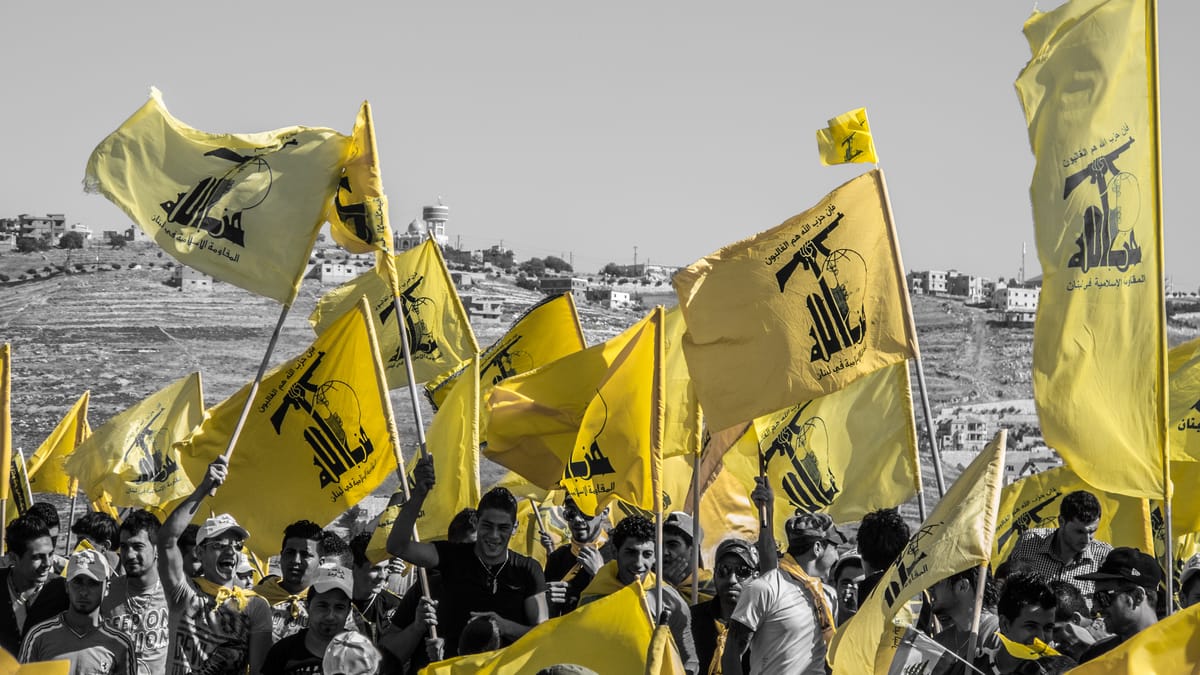
The government of President Aoun finds itself in a precarious position, caught between international pressure and the domestic threat of Hezbollah. In a move that no previous Lebanese government has dared to attempt, Aoun’s administration has taken steps toward declaring Hezbollah’s military wing illegal. This has led to direct threats from the terrorist organization and its supporters. An associate of Hezbollah warned that Lebanon is "on the brink of a big explosion," and stated that the President and Prime Minister would be held responsible for any "bloodshed" resulting from their cooperation with the West.
Hezbollah’s official stance remains one of defiance. Despite the ceasefire, the group issued a statement asserting that the "presence of Israeli forces on Lebanese soil gives the Lebanese people the right to resist." This is a direct challenge to the "thickened security zone" that Prime Minister Netanyahu has vowed to maintain. Hezbollah MP Ali Fayyad warned that the worst case scenario for Lebanon would be internal war, suggesting that the path of direct negotiations with Israel could lead to a domestic conflagration.
As the 10 day countdown begins, a second round of negotiations is already being planned for Washington. The Trump team is expected to work with both sides to finalize the details of a permanent ceasefire. However, with the IDF firmly entrenched 10 kilometers deep into Lebanese territory and Hezbollah threatening an "explosion" in Beirut, the diplomatic path is fraught with danger. The success of the peace mission depends not only on the agreement between Israel and Lebanon but on whether the Lebanese government can survive the internal backlash from the terrorist organization it is trying to disarm.