The Middle East stands at a critical crossroads as a 10 day temporary ceasefire between Israel and Lebanon officially takes effect at midnight. Brokered through the direct intervention of President Donald Trump, this window of time is intended to "allow for negotiations in good faith toward a permanent security and peace agreement," according to a statement from the US State Department. As part of this historic push, President Trump has invited Prime Minister Benjamin Netanyahu and Lebanese President Joseph Aoun to the White House for what will be the first significant direct diplomatic engagement between the two nations since 1983.
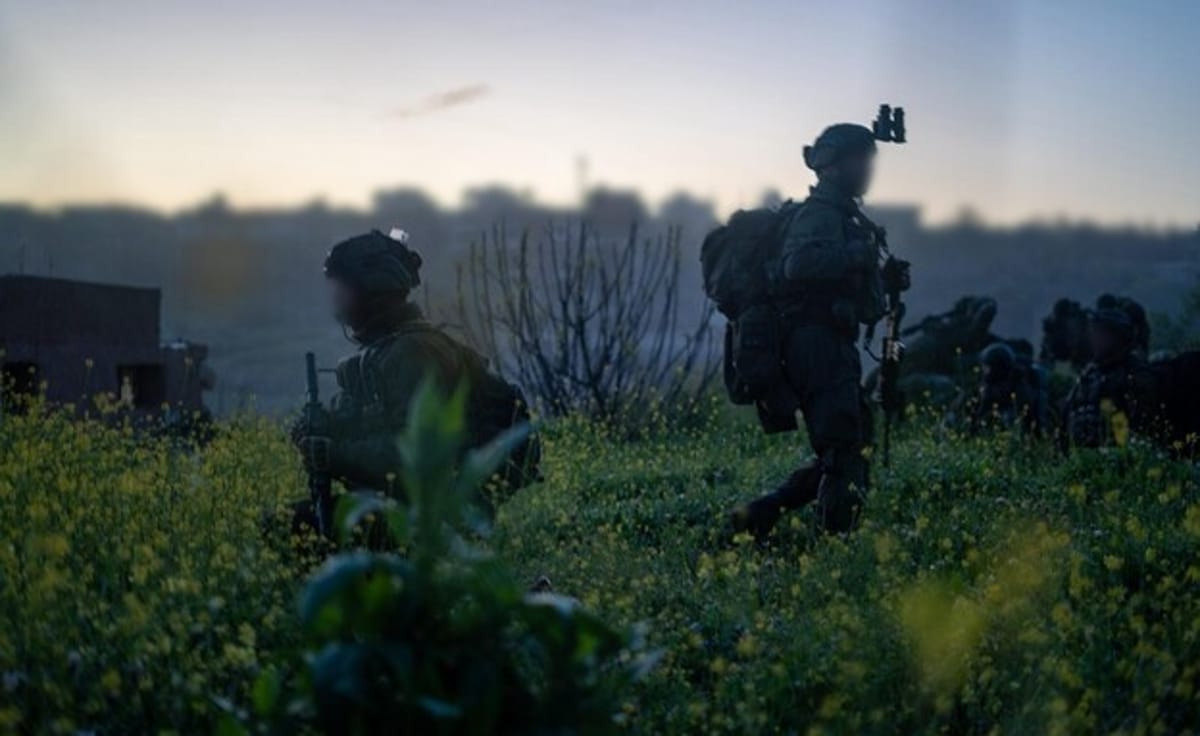
The terms of the ceasefire are specific and high stakes. During the 10 day period, the IDF will not conduct air strikes, but Israeli ground forces will remain firmly in place within the "thickened security zone" in southern Lebanon. This was confirmed during an Israeli Cabinet meeting where Netanyahu told ministers, "Trump asked and I answered," while emphasizing that there would be no withdrawal from captured territory during this phase. The American proposal includes a dramatic declaration aimed at the total disarmament of Hezbollah, stating that "the only forces authorized to carry weapons in Lebanon will be the forces of the Lebanese government."
Despite the diplomatic momentum, the reality on the ground remains incredibly tense. The Lebanese government, led by Prime Minister Nawaf Salam, has welcomed the move as a major achievement supported by an international coalition including France, Saudi Arabia, and Egypt. However, Lebanese officials and the national army have warned displaced residents not to return to their homes in the south until the situation stabilizes, citing the continued presence of Israeli troops. Meanwhile, Hezbollah has already begun to signal its resistance to the terms, with MP Ali Fayyad asserting that any Israeli presence on Lebanese soil grants the group the "right to resistance."
The next ten days will serve as a ultimate test of the Trump administration’s ability to reshape regional security. While the White House remains optimistic that a permanent deal can be reached, the "red lines" on both sides are clear. Israel maintains its right to self defense against "planned, immediate, or ongoing attacks," while Hezbollah refuses to recognize the legitimacy of the Israeli buffer zone. As the clock strikes midnight, the eyes of the world are on Washington and the northern border to see if this 10 day pause is the beginning of a lasting peace or merely a brief intermission in a much larger war.