The 10 day ceasefire brokered by President Trump is facing its first major hurdle as Hezbollah leadership signals a firm rejection of Israel's core security demands. While the agreement is scheduled to take effect at midnight, a senior Hezbollah source told Al Jazeera that the group will not accept any deal that grants the Israeli military freedom of action within Lebanon. "The ceasefire must include a cessation of hostile operations across all Lebanese territory and cannot include any freedom of action for the enemy," the official stated, directly contradicting the conditions set by Prime Minister Netanyahu.
The tension centers on the "freedom of military action" clause that Israel considers non negotiable. The Israeli government has insisted that its forces must have the right to strike if they detect Hezbollah attempting to rearm or move back into the border regions south of the Litani River. Hezbollah’s categorical refusal to allow such access suggests that the 10 day period may be characterized more by tension than by actual progress toward peace. The terrorist organization remains adamant that any deal must be a total halt to Israeli activity, with no exceptions for security "buffer zones" or aerial surveillance.
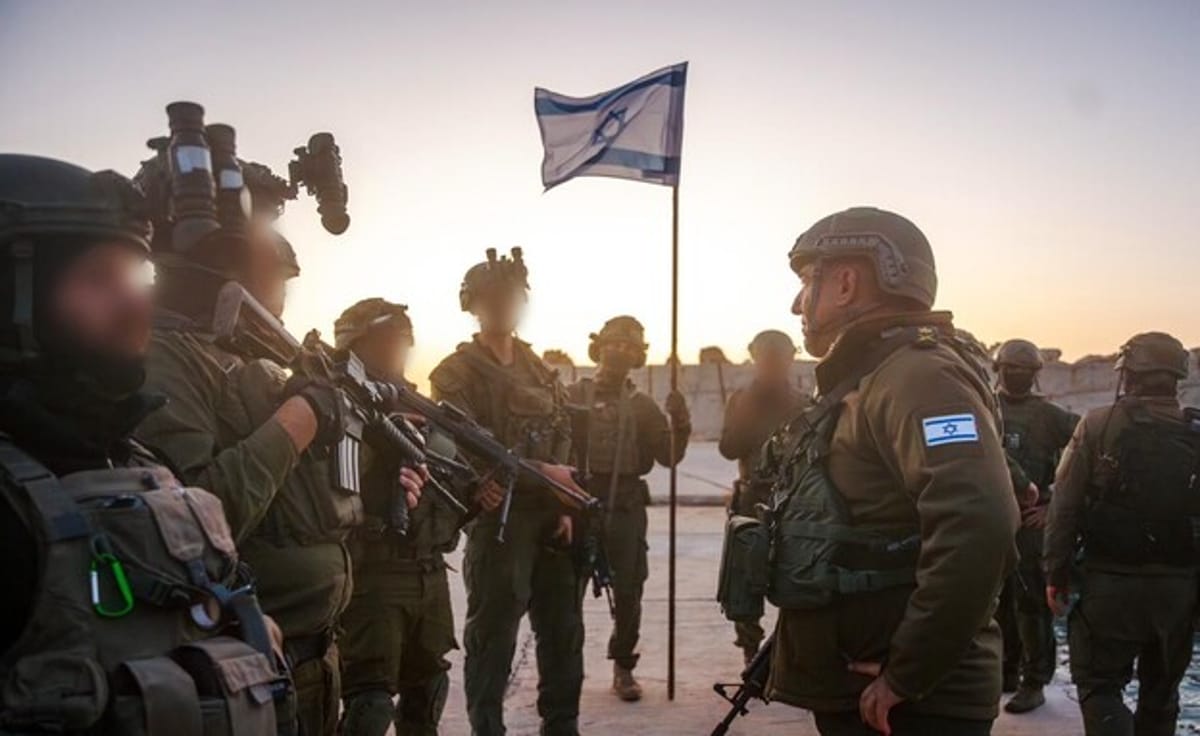
This internal pushback from Hezbollah comes amid reports that the IDF will remain stationed in southern Lebanon during the 10 day period. The Israeli military has made it clear that its forces will not withdraw until a more permanent arrangement is reached that ensures the safety of northern Israeli residents. Hezbollah’s insistence on a total cessation of "hostile operations" across the entire country is likely an attempt to force a premature Israeli withdrawal and stop the ongoing strikes on the group's leadership and infrastructure in Beirut and the Bekaa Valley.
The situation is further complicated by the pressure from Tehran. While Iran has officially welcomed the ceasefire as a way to alleviate the pressure on its own economy, it continues to urge the Lebanese government to coordinate closely with Hezbollah. As the midnight deadline approaches, the discrepancy between Israel's demand for freedom of action and Hezbollah's demand for total Israeli paralysis remains the greatest threat to the survival of the truce. Without a resolution to this fundamental disagreement, the "10 day window" may close much sooner than expected, leading back to a full scale war.