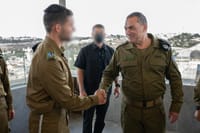
Admiral David Saar Salama is concluding a storied 39 year career in the IDF, leaving behind a Navy that has transformed into a strategic arm capable of operating thousands of kilometers from home. During his four and a half year tenure as Commander of the Navy, Salama oversaw a period of intense combat across multiple theaters. Under his leadership, the Navy proved its ability to strike targets separated by over 3,000 kilometers, a feat once thought impossible for the sea borne branch. Despite these massive operational successes, the Admiral began his summary with a heavy admission regarding the failures of October 7, stating, "We failed in the defense of the State of Israel."
The operational record under Salama’s command, however, is one of total dominance. One of the most significant achievements occurred in the Syrian theater, where the Israeli Navy destroyed nearly the entire Syrian fleet, sinking 15 ships within a single hour. This move effectively neutralized Syria as a maritime threat for the foreseeable future. In Lebanon, the Navy led the destruction of Hezbollah's strategic coast to sea missile arrays, which the terrorists had hidden under residential buildings. A special operation codenamed "Behind the Back" also resulted in the capture of a high level operative, Amad Mahez, providing intelligence that exposed Hezbollah's secret maritime plans.
The Navy’s reach extended far beyond the immediate borders. During Operation Roaring Lion, naval assets provided the intelligence and guidance for strikes on 95 targets deep inside Iran. In Yemen, naval strikes reached 150 kilometers inland, successfully blocking 80 percent of goods destined for hostile ports. The submarine fleet also set a historical record, operating at the greatest distances in its history while simultaneously deployed across more than three distinct sectors. These "silent" assets were critical in maintaining pressure on the Iranian regime and its regional proxies.
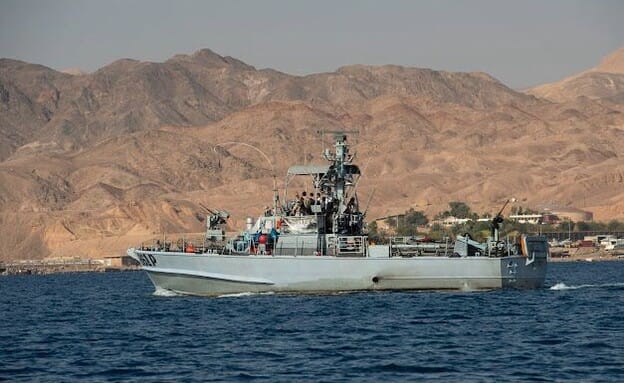
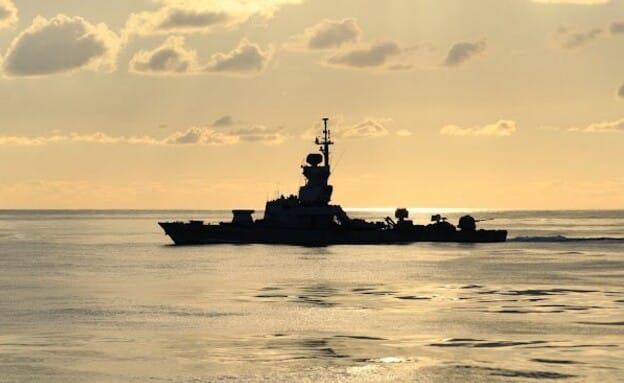
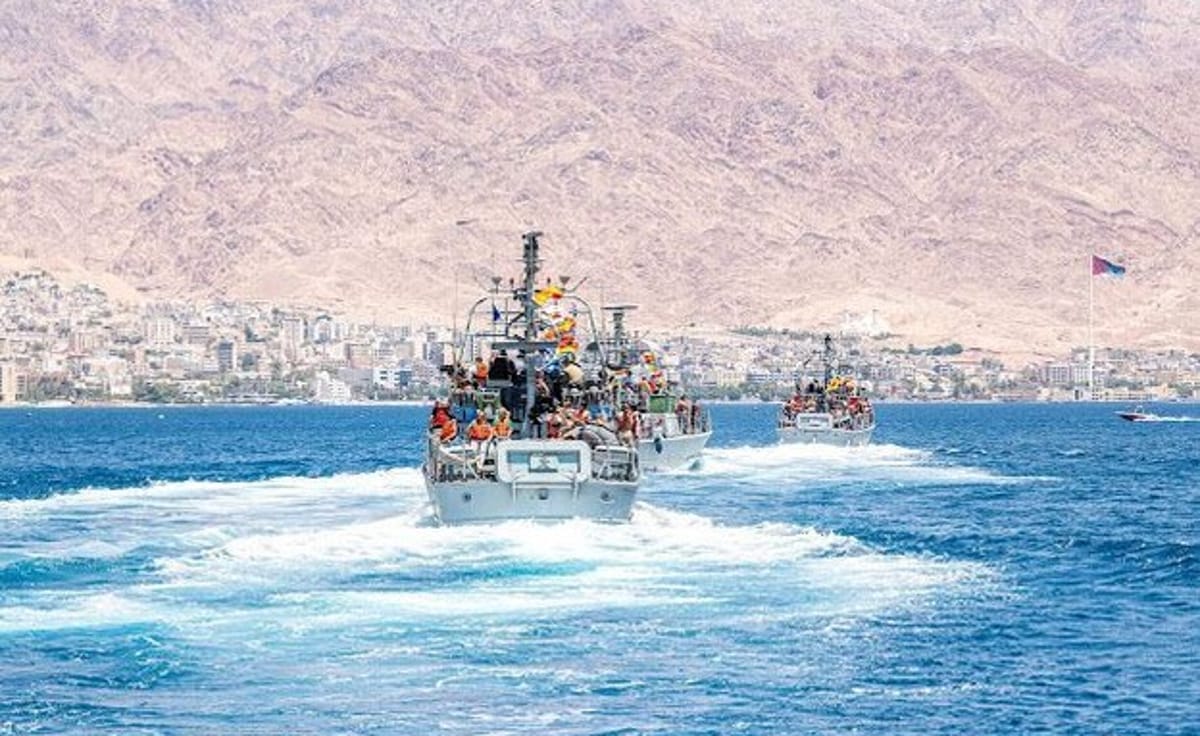
Looking to the future, Salama leaves the Navy in the midst of a massive buildup. Four new Sa'ar 6 ships are now fully operational, and five "Reshef" multi mission ships are currently under construction in Israel to replace the aging "Nirit" fleet. The fleet has also been bolstered by two new landing craft, the INS Komemiyut and INS Nachshon, which arrived after a cross oceanic voyage from the United States. In the coming year, the sixth submarine, the INS Dragon, is expected to be delivered, while the "Dakar" project for three additional future submarines is already underway. Salama’s legacy is a Navy that is no longer just a coastal guard, but a global force integrated with American intelligence and capable of robotic undersea warfare.