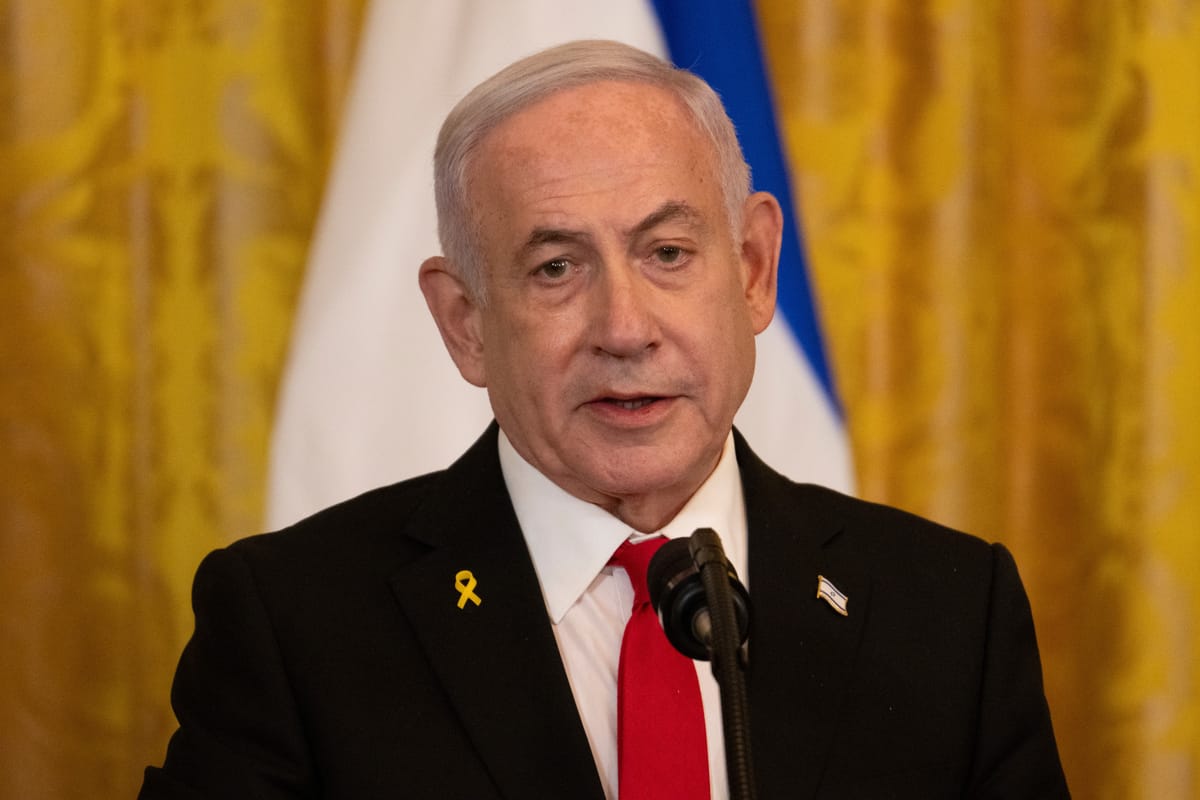
Lebanese President Joseph Aoun has officially closed the door on the possibility of direct negotiations with Israeli Prime Minister Benjamin Netanyahu. In a high stakes telephone conversation with US Secretary of State Marco Rubio, Aoun made it clear that Beirut will not engage in face to face dialogue with the Israeli leadership, despite heavy international pressure. The refusal, reported by Lebanese channel LBCI, underscores the deep diplomatic chasm that remains even as both nations face the threat of renewed total war.
The refusal comes at a time when the Lebanese government is attempting to assert its own authority, independent of Hezbollah. President Aoun emphasized to Secretary Rubio that the Lebanese authorities alone will manage the negotiation process, characterizing it as a matter of national sovereignty. "The Lebanese authorities alone will manage the negotiations because it is a sovereign matter that no one else can be involved in," Aoun reportedly told the American Secretary of State. This move is seen as an attempt to distance the state from the influence of Tehran, which has been pushing for Hezbollah’s inclusion in the ceasefire talks currently being held in Pakistan.
While Aoun is taking a firm line against direct contact with Israel, he is also pushing for a complete Israeli withdrawal from Lebanese territory. He described the exit of the IDF as a "fundamental step" for establishing a lasting ceasefire. The President’s vision includes the full redeployment of the Lebanese Armed Forces to the international border and the expansion of state authority over the entire country. However, the physical reality on the ground remains volatile. Shortly before the diplomatic snub, the Al-Qasmiyeh bridge, a vital link across the Litani River, was destroyed in an Israeli airstrike, effectively severing the last ground connection between southern Lebanon and the rest of the country.