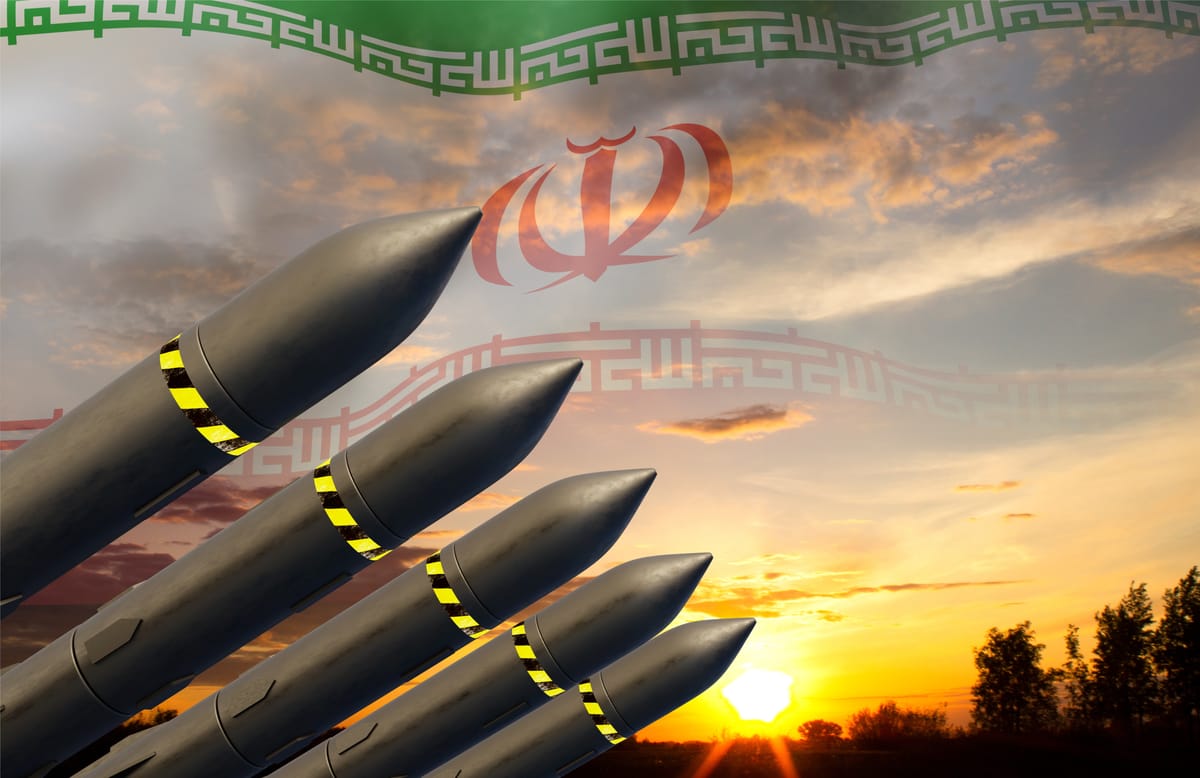
The highly celebrated ceasefire agreement brokered between Washington and Tehran has inadvertently created a perilous sixty day intelligence vacuum that could allow the Islamic Republic to permanently cross the nuclear threshold. While global political leaders present the current framework as a historic diplomatic breakthrough, a secretive group of defense scientists, engineers, and intelligence operatives are warning that the baseline strategy remains fundamentally flawed. According to high level weapon control experts, the upcoming sixty day negotiation window lacks immediate, binding verification mechanisms to freeze or dismantle Iran's vast stockpiles of highly enriched fissile material.
The internal anxiety within the international security establishment has reached an absolute boiling point, with prominent intelligence insiders admitting they have been completely unable to sleep due to the severity of the unmonitored threat. Security analysts emphasize that the diplomatic focus has been dangerously diverted toward peripheral issues like opening the Strait of Hormuz rather than addressing the core component of the atomic program, which is the enriched material itself. Experts familiar with the technical data clarify that the popular political slogan asserting Iran is still far from a bomb is only true if one assumes the regime will choose not to execute the exact breakout maneuver they are fully prepared to complete.
The dry, verified data held by Western arms control agencies paints a terrifying picture of the current atomic reality, revealing that Tehran currently holds enough highly enriched material to assemble approximately twelve and a half atomic weapons within an incredibly short timeframe. The regime's current inventory includes enough material enriched to the critical sixty percent threshold to manufacture eleven operational weapons, alongside enough twenty percent enriched material to construct another one and a half bombs. Furthermore, a massive secondary warehouse containing five percent enriched material provides a strategic reserve capable of being processed into an additional seven weapons via a longer operational pathway.
Nuclear experts emphasize that holding uranium enriched to sixty percent means the regime has already completed almost the entire technical journey toward weaponization, making the difference between sixty percent and ninety percent a dangerous semantic trap. Former National Security Council officials clarify that the program has advanced through two parallel tracks, consisting of the material channel and the weaponization channel, which governs the engineering required to build an implosion device. Analysts warn that the devastating air strikes executed during the recent war focused heavily on highly visible production infrastructure, such as industrial centrifuge factories, rather than neutralizing the actual processed material which remains entirely under Iranian control.
The ongoing strategic crisis is severely compounded by a total lack of continuous, reliable international monitoring, given that the International Atomic Energy Agency has been denied access to tracking centrifuge manufacturing since February 2021. This severe intelligence deficit means that no foreign agency can verify how many hidden backup systems or alternative components the regime has accumulated across its vast 1.6 million square kilometer territory. Western planners fear that the regime will exploit the chaotic post war environment to transition its highly enriched stockpiles into heavily fortified subterranean complexes, mimicking the North Korean model to secure permanent immunity from future military intervention.