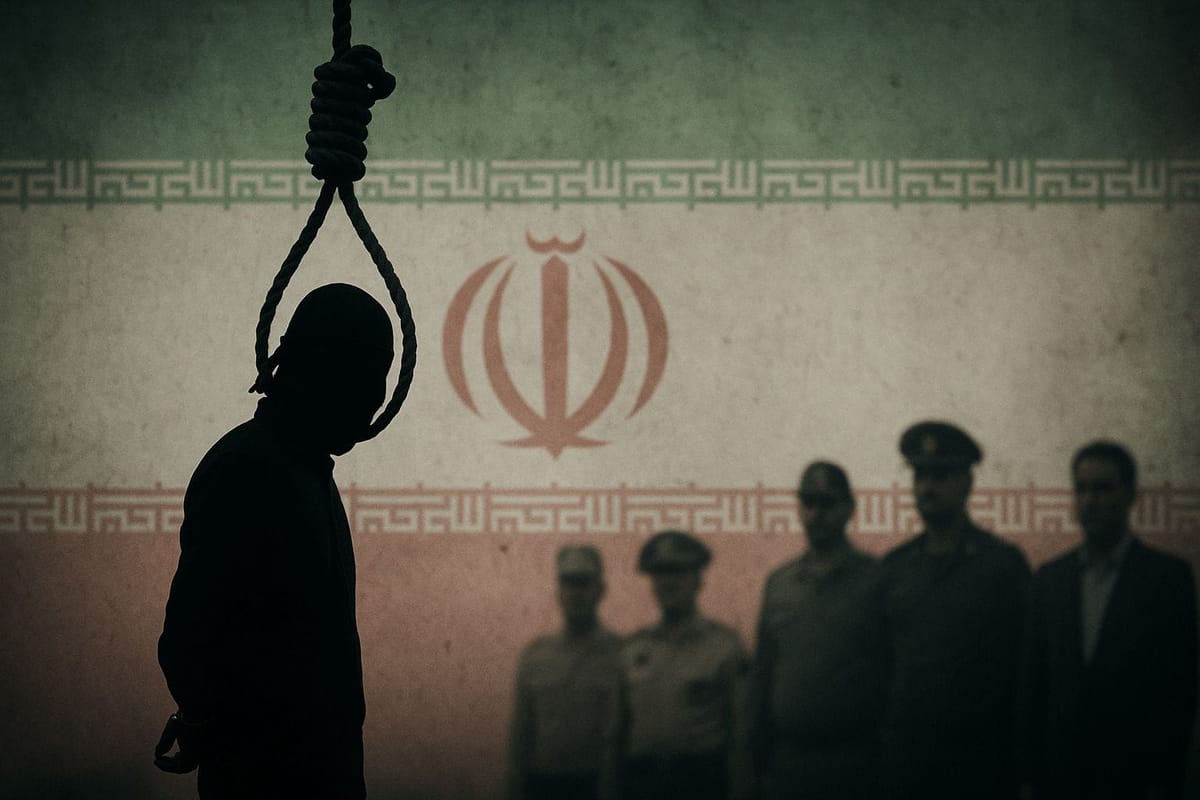
The Iranian judicial system has officially abandoned any pretense of restraint, with Judiciary Chief Gholamhossein Mohseni Ejei vowing to punish anti-government protesters without the "slightest leniency." As the clerical leadership faces its most significant challenge in decades, the regime is moving to fast track trials and executions for those it labels as "instigators of riots" and "terrorists." While the official state death toll remains low, emerging reports from international monitors and classified testimonies suggest a slaughter of unprecedented proportions. Behind a nationwide internet blackout designed to blind the global community, the regime’s security forces reportedly carried out mass killings in early January that far exceed any previously confirmed numbers, with some estimates reaching into the tens of thousands.
A Mandate for Ruthless Justice
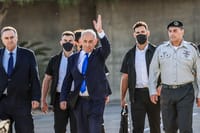
Speaking on Sunday, Gholamhossein Mohseni Ejei made it clear that the state intends to use the full weight of its legal system to crush the remaining spirit of the uprising. "The people rightly demand that the accused and the main instigators of the riots and the acts of terrorism and violence be tried as quickly as possible and punished if found guilty," Ejei stated through the official Mizan news portal. He insisted that "justice entails judging and punishing without the slightest leniency the criminals who took up arms and killed people, or committed arson, destruction and massacres." By framing the protests as "terrorism," the judiciary chief is creating the legal pathway for mass capital punishment, targeting anyone who participated in the demonstrations sparked by soaring living costs and systemic corruption.
The Hidden Death Toll
The true cost of the regime's "rigor" is only now coming to light. While the Iranian government has officially claimed 3,117 deaths, labeling most as "martyrs" for the state, human rights organizations are painting a much darker picture. The Human Rights Activists News Agency (HRANA) has confirmed 5,459 deaths but warned that over 17,000 additional cases are currently under review. This brings the potential total to 22,490 deaths linked directly to the suppression of the unrest. Even more alarming are reports from Iran International, which cited classified reports and medical testimonies indicating that over 36,500 civilians were killed in Tehran alone during a single two day period in early January.
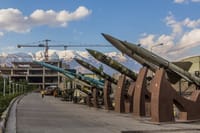
These massacres were carried out while the country was under a total communications blackout, a tactic used by the regime to prevent evidence of war crimes from reaching the outside world. President Donald Trump has warned that the United States is watching the situation closely, deploying a "massive fleet" toward the Iranian coast. Although the President noted that Tehran appeared to pause 800 planned executions following his initial threats, the judiciary’s latest rhetoric suggests that the pause was only temporary. As the "armada" reaches the Arabian Sea, the Iranian judiciary seems determined to proceed with its purge, banking on the hope that its digital curtain and ruthless sentencing will be enough to keep the population in check.