While the world watches the military movements in the Persian Gulf, the people living inside Iran are describing a domestic reality defined by fear, poverty, and a desperate hope for change. In exclusive interviews with N12, residents of Tehran and Mashhad revealed that they do not fear the renewal of war, but rather the possibility that the fighting will stop before the Islamic Republic is overthrown. Shiva, a resident of Tehran, described the streets of the capital as being swarmed by security forces in civilian clothes who monitor every move and use city buses as mobile police stations to hide their numbers.
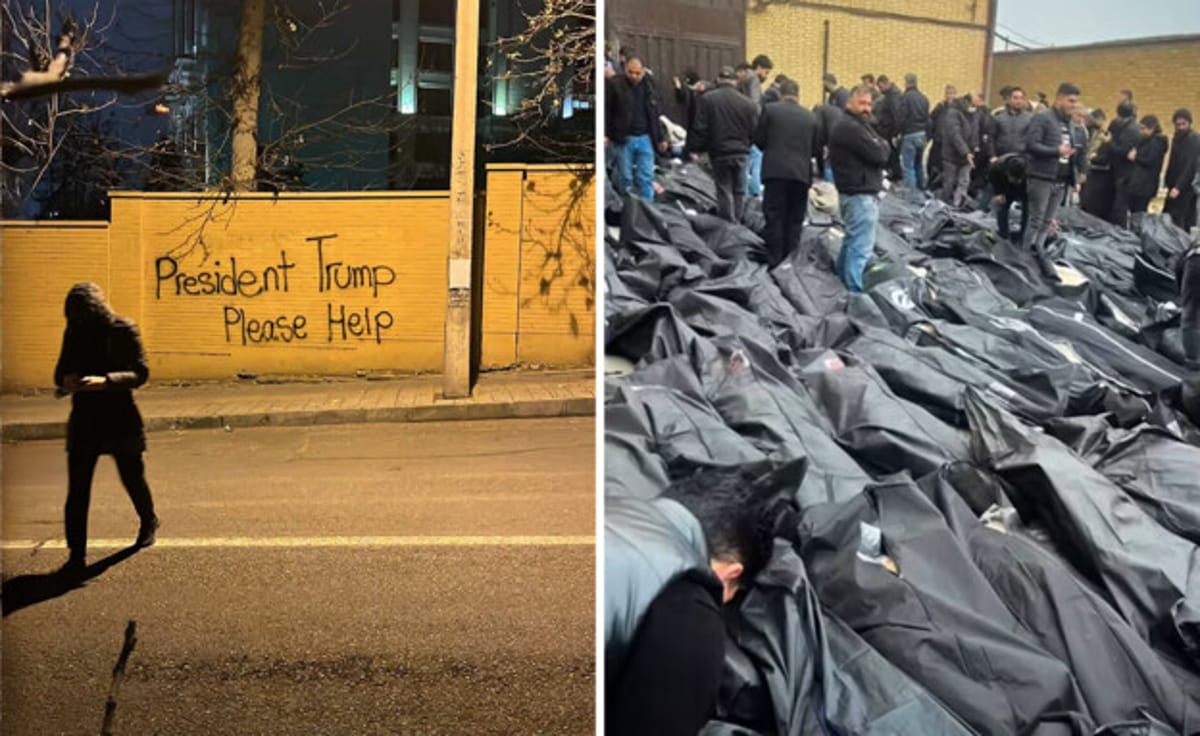
"What scares me and makes me feel helpless is not the start of the war, but the continuation of the ceasefire and the formation of an agreement," Shiva explained. She described a terrifying atmosphere where pro-regime mercenaries roam the streets at night, waving flags and shouting slogans to intimidate residents. According to these accounts, the Iranian people are suffering through a 60 day internet blackout while the government carries out a wave of executions targeting citizens ranging from their 40s to their 90s. The economic situation has become so dire that many families can no longer afford basic necessities.
In Mashhad, Alireza echoed these sentiments, stating that the "cancerous growth" of the regime must be finished once and for all. He warned the United States and Israel that if the regime is allowed to survive as a "wounded snake," it will eventually threaten the entire world. "The fear of the continued existence of the Islamic Republic is greater than the fear of war," Alireza said. He noted that even with the massive destruction caused by recent strikes, the people are willing to endure more if it means the end of the current leadership.
Monah, another resident of Tehran, expressed frustration at the perceived silence of the international community. She argued that the world is ignoring the trauma of millions of Iranians who are currently "waiting in line for execution" or starving under the regime's mismanagement. "I don't understand why the world is silent," she wondered. For these citizens, the war is seen as a painful but necessary path toward a future without the oppression they have faced for decades. Their message to the West is clear: do not sign a deal that allows the regime to survive.