The maritime crisis in the Strait of Hormuz has reached a breaking point, with new data from shipping analytics firm Windward revealing that approximately 2,000 vessels are now trapped on either side of the narrow passage. Of these, 904 ships, mostly cargo vessels and oil tankers, are in the immediate vicinity of the Strait, unable to move due to the ongoing naval war. This bottleneck has stranded an estimated 20,000 crew members who are suffering from a severe lack of supplies and a steady decline in their physical and mental health after being stuck in a combat zone for weeks.
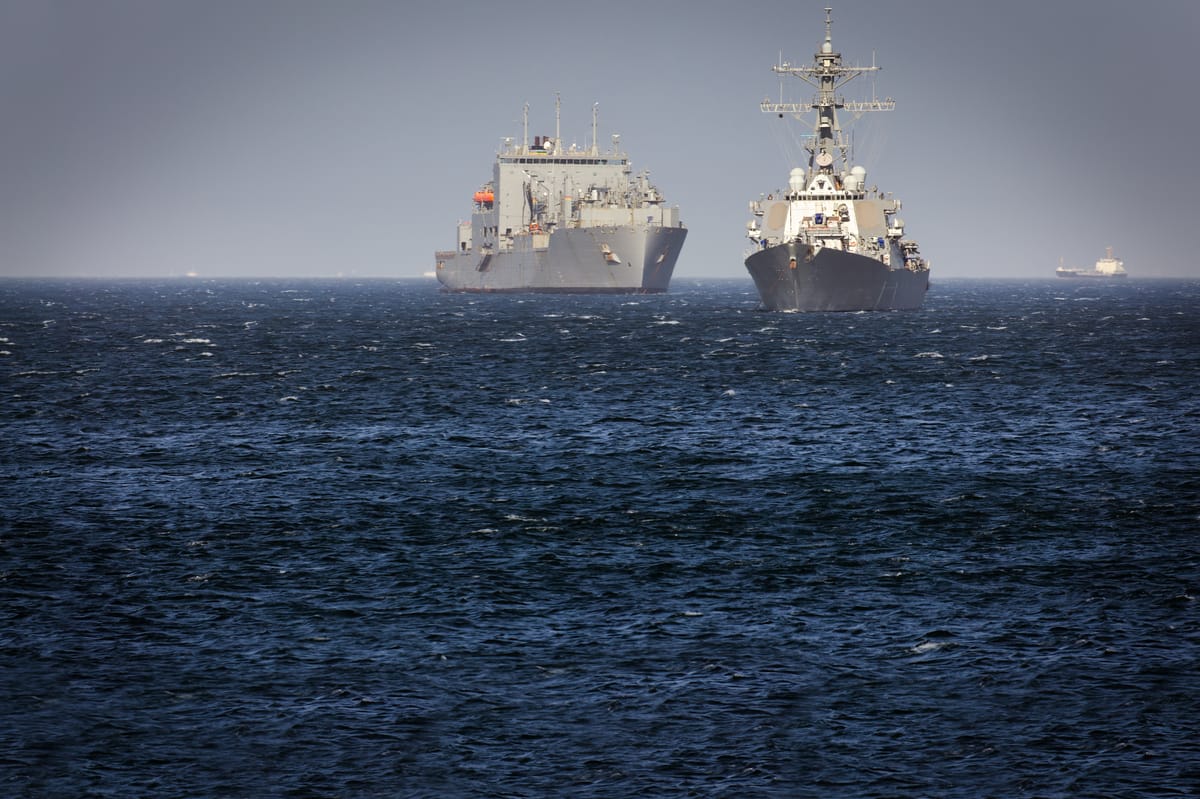
In normal times, about 120 ships pass through the Strait daily, carrying 20% of the world’s oil supply. However, since the war began, the traffic has slowed to a crawl. Only 350 ships have made the passage since the start of hostilities, and only 220 have attempted it since the United States began enforcing its own counter-blockade on April 13. The American blockade is being enforced by more than ten warships and various aircraft positioned 550 kilometers east of the Strait. Meanwhile, Iran has targeted 25 ships in the region so far, maintaining its threat to attack any foreign military force that attempts to break its control over the waterway.
The British Maritime Trade Center has issued an urgent advisory to all mariners, recommending that they stick to the southern route near the coast of Oman to stay as far away from Iranian waters as possible. This advice comes as the U.S. military attempts to implement Project Freedom, a mission designed to escort neutral ships out of the danger zone. Despite these efforts, CNN reports that the Strait currently looks like a ghost town, with almost no commercial traffic visible on satellite imagery except for a single sanctioned tanker.
As the physical blockade continues, the economic impact is being felt globally. With nearly 2,000 ships unable to deliver their cargo, the supply chains for oil and consumer goods are fracturing. For the sailors on board, the situation is increasingly desperate. Reports indicate that many ships are running out of fresh water and food, and the constant threat of missile or drone attacks has created a state of collective trauma for those trapped in the middle of the standoff between Washington and Tehran.