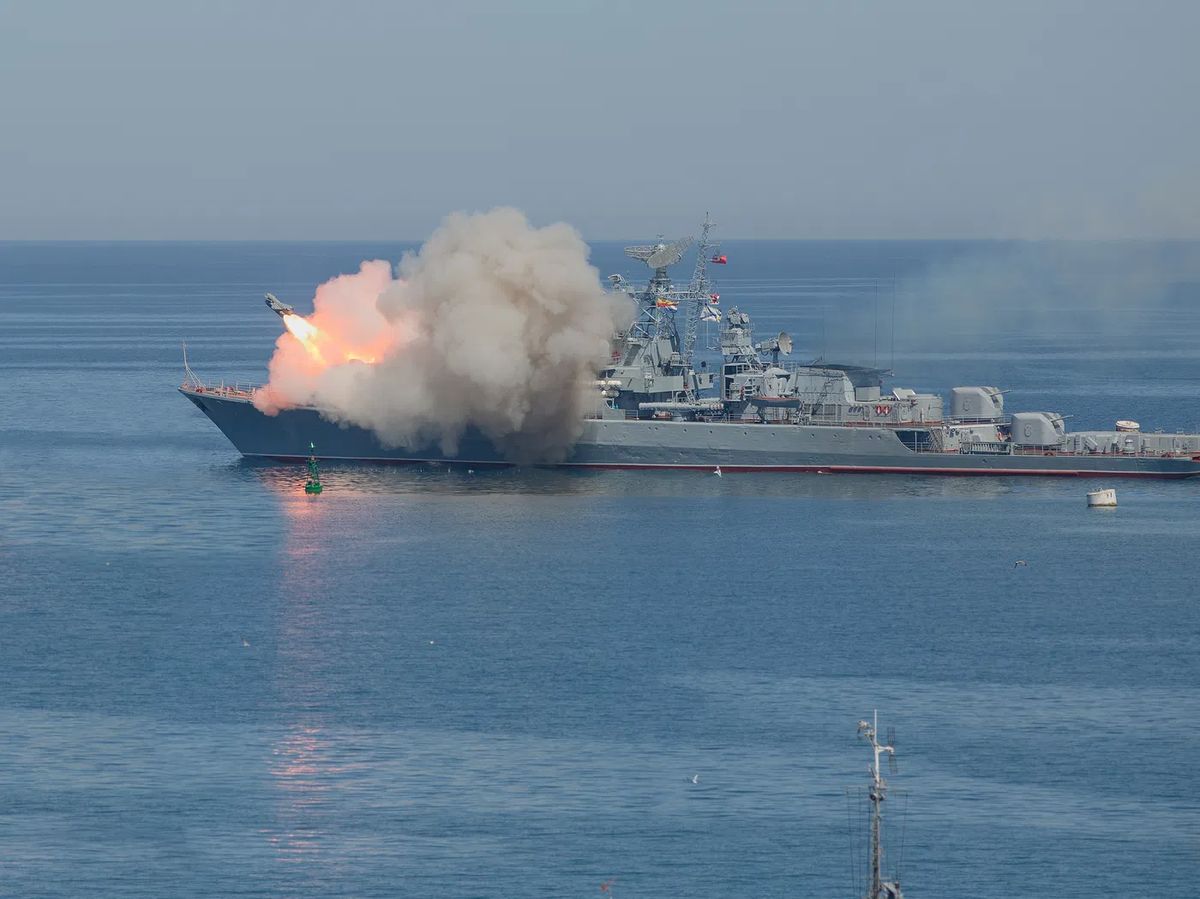
High-ranking Iranian officials intensified their verbal attacks against President Donald Trump on Sunday, reacting sharply to his recent comments regarding the potential end of negotiations. Ali Akbar Velayati, a senior advisor to the leadership, accused the President of "nonsense and provocative behavior" that he claims cannot hide the current geopolitical reality. Velayati suggested that the withdrawal of American forces from various global bases and recent technical issues with U.S. naval vessels are signs that the "illusion of the White House" is beginning to shatter.
In a colorful critique of the President's style, Velayati remarked that "the world of politics is not a movie scene like that of Jack Sparrow." He warned that anyone who attempts to interfere with the "lifeblood of the world" would find themselves in a strategic dead end. This was a direct reference to the Strait of Hormuz, which Iran claims to control, particularly regarding the global supply chain for chemical fertilizers and general food security. Velayati argued that Trump’s threats to "starve" Iran show a fundamental lack of awareness of how integrated the global economy has become.
These comments follow a detailed report from Al-Jazeera revealing the specifics of Iran's "revised" peace proposal. The plan, which includes a three-stage process, suggests a 15-year freeze on uranium enrichment and the gradual reopening of the Strait of Hormuz. Despite these offered concessions, President Trump has signaled he remains unsatisfied with the current terms. The Iranian leadership appears frustrated by the President's "take it or leave it" approach, with Velayati suggesting that Trump is treating international relations like an adventure film rather than a complex diplomatic arena.
The tension is further fueled by statements from Mohsen Rezaei, who warned that the massive American military presence in the region is vulnerable to Iranian strikes. The rhetorical war highlights the massive gap between the two sides, even as they exchange formal documents through intermediaries. While Iran insists it is offering a realistic path to stability and a long-term nuclear freeze, the Trump administration appears determined to secure much harsher terms or continue the blockade that is currently strangling the Iranian economy.