
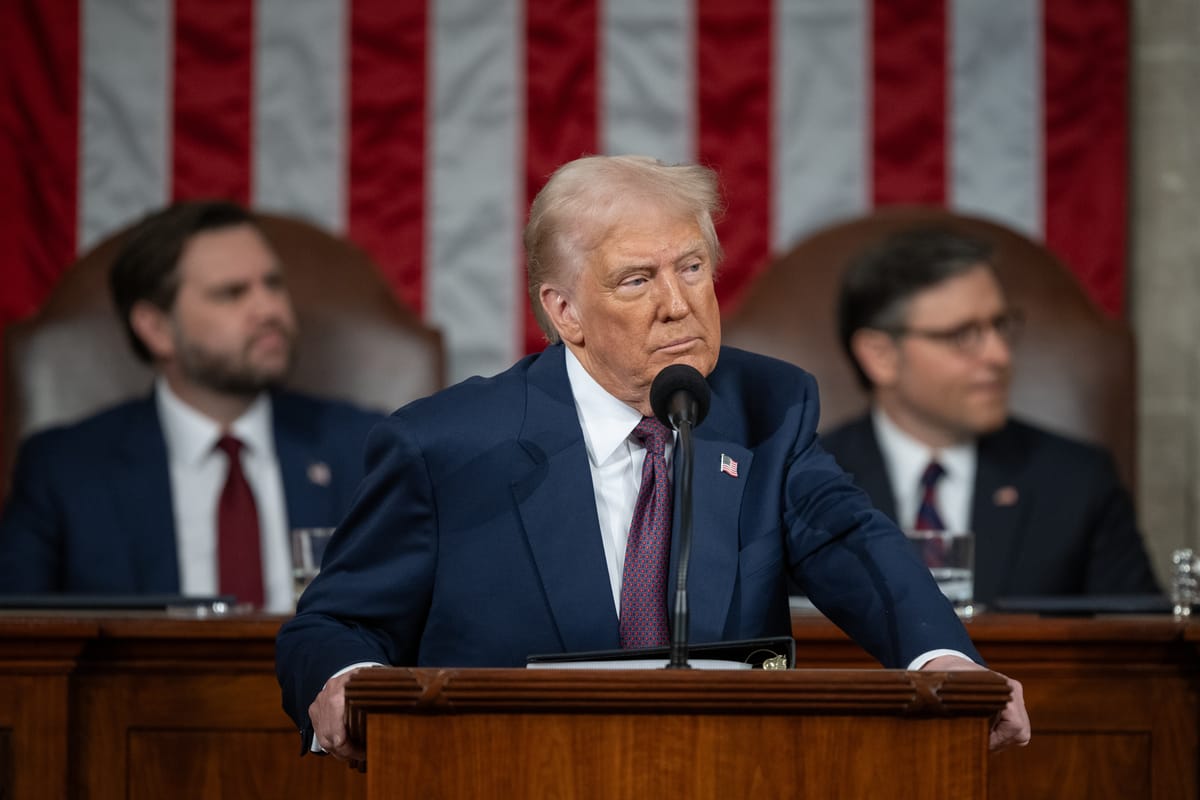
President Donald Trump is facing the most significant political crisis of his second term as a new Washington Post-ABC News poll shows his approval ratings hitting a historic floor. Published on Sunday, May 3, 2026, the survey highlights a public that is increasingly exhausted by the economic fallout of the ongoing war with Iran. With the national mood souring over a stalemate in negotiations with Tehran and the threat of renewed fighting, the Republican party is now bracing for a potential electoral wipeout in the upcoming congressional elections just six months away.
According to the data, a staggering 66% of Americans are dissatisfied with Trump’s management of the Iran crisis, while only 33% offer their support. Perhaps most damaging for a president who campaigned on economic strength, his approval regarding the economy has plummeted by 7% since February, landing at a meager 34%. The most critical metric for many households is the cost of living, where a massive 76% of the public expressed dissatisfaction, leaving the president with a dismal 23% approval rating in that specific category.
The President’s overall approval rating now sits at 37%, a slight dip from earlier in the year, but his disapproval has climbed to 62%, the highest recorded across both of his administrations. While he maintains a firm grip on 85% of the Republican base, he is losing the middle ground rapidly. Among independent voters, a group essential for winning general elections, his support has crashed to 25%. Even independents who lean Republican have seen their support for the president drop to a record low of 56%.
These figures are providing a massive boost to Democrats, who now hold a 5% lead in the generic congressional ballot, up from 2% earlier this year. About 60% of Democrats describe the upcoming November elections as significantly more important than previous cycles, compared to only 35% of Republicans. Despite these advantages, Democrats remain cautious due to a recent Supreme Court ruling that struck down race-based considerations in redistricting. This decision could allow Republican-led states to redraw voting maps in a way that minimizes minority representation, potentially helping Republicans maintain their narrow grip on power despite the President's unpopularity.