A senior Iranian military officer has warned that a direct war with the United States is now "likely" after President Donald Trump dismissed Tehran’s latest attempt to end the naval blockade. Mohammad Jafar Asadi, a high-ranking figure in Iran’s Khatam al-Anbiya central command, announced that the regime's armed forces are on full alert, accusing the United States of failing to honor diplomatic agreements. This escalation comes as Iran’s deputy foreign minister stated that the "ball is in the U.S. court," claiming Tehran is prepared for either a diplomatic breakthrough or a full-scale military confrontation.
The core of the disagreement remains the same issue that sparked the war: the Iranian nuclear program. The latest proposal from Tehran offered to reopen the Strait of Hormuz to international shipping and end the U.S. blockade of Iranian ports, but it demanded that nuclear negotiations be delayed until a later, unspecified date. President Trump was blunt in his rejection, telling reporters he is "not satisfied" with the terms. "Iran wants a deal because it has no military left," Trump claimed, emphasizing that any agreement must permanently prevent the regime from obtaining a nuclear weapon.
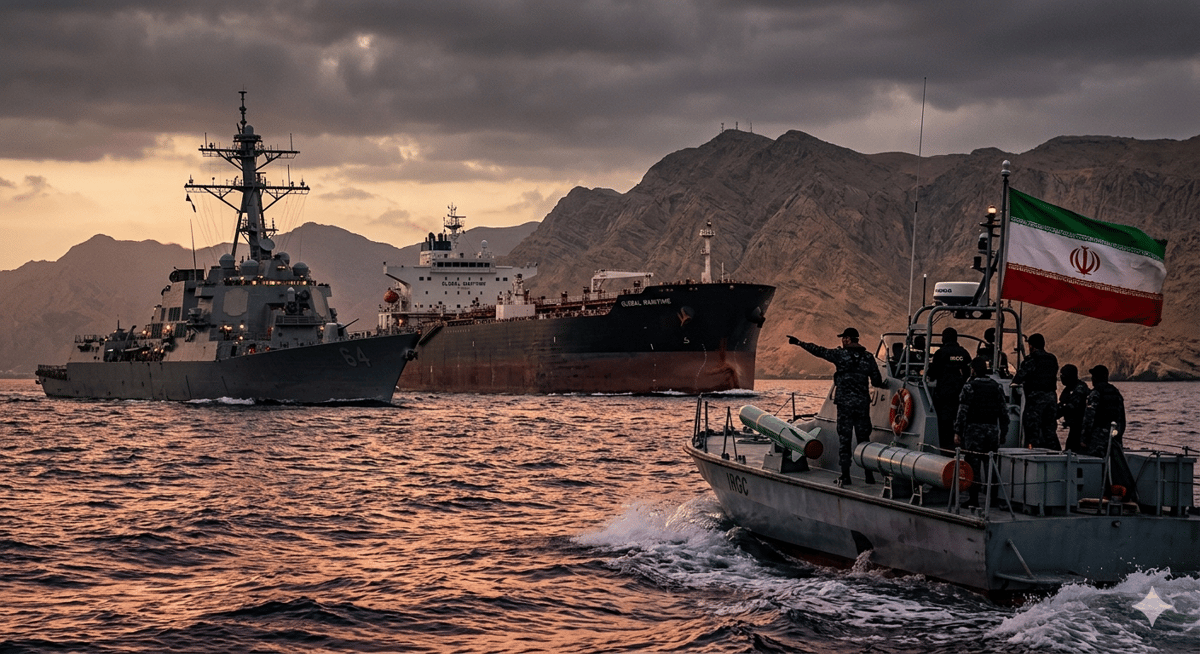
As the diplomatic track shakes, the economic and military pressure from Washington continues to tighten. CENTCOM has maintained a strict blockade on all ships entering or leaving Iranian ports, and the Treasury Department has issued warnings that paying any "tolls" to Iran for passage through Hormuz could trigger secondary sanctions. The U.S. Navy’s pressure campaign is already showing results, with reports of dozens of commercial vessels turning back rather than attempting to navigate the contested waters.
In Israel, the stakes are viewed as an existential matter. Prime Minister Netanyahu is scheduled to convene the security cabinet as tensions rise, focusing on the fact that Iran still possesses 440.9 kilograms of uranium enriched to 60%. This level of enrichment is only a short technical step away from weapons-grade material. Israeli officials remain adamant that the regime's missile infrastructure and terror-proxy networks cannot be allowed to survive the war. While the ceasefire is technically holding, the threat of a renewed, high-intensity war looms over the region as Trump refuses any deal that "pushes the nuclear issue down the road."