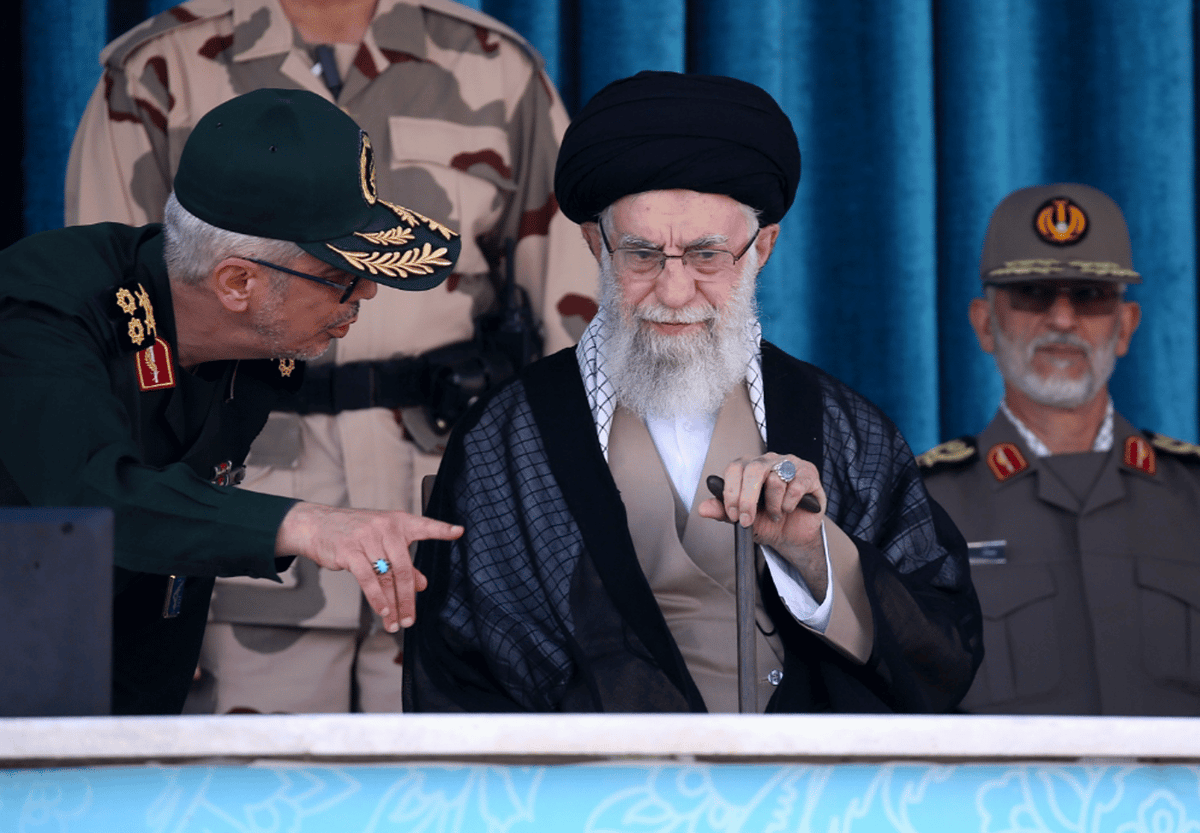
While the diplomatic world focuses on the upcoming meetings in Turkey, internal reports from Tehran suggest a leadership increasingly terrified of its own population. According to intelligence sources, Supreme Leader Ali Khamenei has been warned that the "wall of fear" among the Iranian public has effectively collapsed following the brutal suppression of recent protests. The regime's top officials are reportedly concerned that a targeted American military strike would not just damage nuclear infrastructure, but would serve as the spark for a massive, uncontrollable revolution. Simultaneously, across the border, IDF Chief of Staff Eyal Zamir is overseeing a comprehensive restructuring of Israeli forces, approving a 2026 combat schedule that prioritizes readiness for a "surprise war" across all theaters. The convergence of internal Iranian instability and heightened Israeli offensive preparation has placed the entire region on a hair-trigger.
The Fragility of the Islamic Republic
The Iranian leadership's concern is rooted in the belief that the public's anger has reached a point where traditional methods of intimidation are no longer effective. Six current and former officials have indicated that high-level briefings presented to Khamenei describe a population ready to re-engage with security forces at the first sign of regime vulnerability. "There is no fear left," one official noted, warning that a limited U.S. strike could embolden the masses and inflict "irreparable damage" to the political establishment. This internal assessment suggests that the regime views a war with the United States as an existential threat not just from the outside, but from within.
This domestic pressure is compounded by the harsh economic reality facing the country. While the regime publicly threatens "crushing responses" to any aggression, the private discussions in the halls of power are focused on survival. The fear is that a combined scenario of American aerial strikes and widespread civilian demonstrations would lead to a total collapse of the ruling system. This vulnerability has made the Iranian negotiating team more desperate for sanction relief, even as they maintain a hardline public posture regarding their missile and nuclear programs.