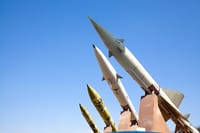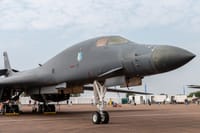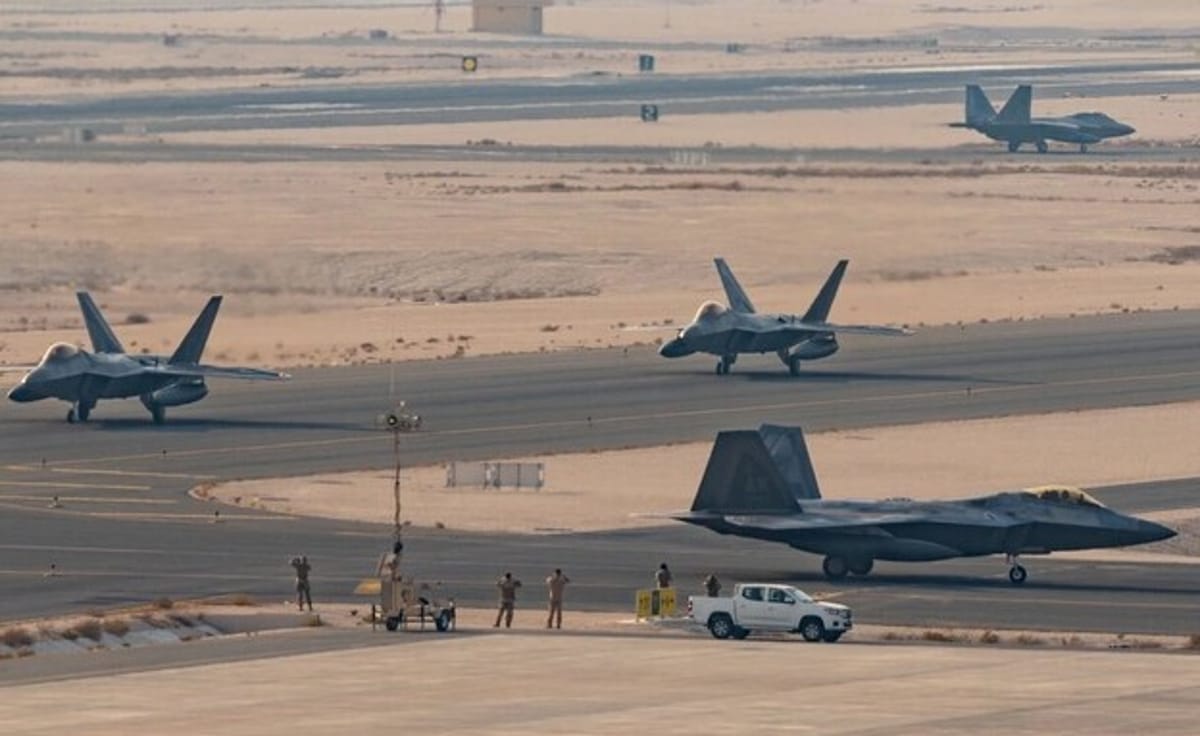
As the threat of an American military strike against Tehran looms, a sobering new assessment suggests that the Iranian regime has rapidly repaired the damage to its missile infrastructure sustained during the June war with Israel. Former Iranian diplomat Amir Mousavi, now based in Iraq, claims that Iran has not only rehabilitated its launch capabilities but has actually doubled the pace of its missile production over the last few months. This resurgence has triggered a wave of anxiety across the Gulf, with Arab allies warning the United States that their own defense systems are insufficient to stop a mass Iranian retaliation. Fearing that they will be the primary targets of an Iranian counterstrike, several regional powers, including Saudi Arabia and the United Arab Emirates, have officially barred the U.S. military from using their land, sea, or air space to launch any offensive operations against Iran.
Hardened Defenses and Production Spikes
According to Mousavi, the Iranian military has successfully moved many of its repaired missile launchers into rugged, mountainous terrain, making them nearly impossible to target from the air. This strategic relocation utilizes the country's natural geography to protect its remaining arsenal from a preemptive American strike. While Israeli strikes in the previous war focused on long-range missiles capable of traveling over 1,200 kilometers, much of Iran's short-range and maritime missile systems remained untouched. Satellite imagery now confirms that the regime is clearing debris and rebuilding production plants, even in deep underground facilities where damage is difficult for Western intelligence to fully assess.
The numerical advantage currently sits with Tehran. David Des Roches, a former official at the U.S. Department of Defense, warns that the Iranians simply have more missiles than the Gulf states have interceptors. "The Iranians have more missiles than the Gulf countries have air defense missiles," Des Roches noted, adding that the defensive systems in the region are spread thin and are not fully integrated with one another. This lack of a unified "regional shield" means that a saturation attack involving hundreds of short-range missiles could easily overwhelm the existing batteries protecting U.S. bases and oil infrastructure.
A Region Divided
The significance of this threat has forced a dramatic shift in regional alliances. Fearing for the safety of tens of thousands of American troops stationed across a dozen bases in the Middle East, the U.S. military is racing to deploy additional air defense assets, radars, and aircraft. However, sources indicate that a large-scale strike is unlikely to occur in the immediate future because the U.S. is not yet prepared to defend against a massive, multi-front Iranian response that would likely target Israel as well.
International researchers, such as Fabian Hinz, point out that while the June war crippled Iran’s ability to strike Israel from a distance, the regime’s ability to strike its immediate neighbors remains potent. This reality has led the Gulf states to distance themselves from the American military buildup to avoid being seen as co-conspirators in a future war. By refusing to allow their territory to be used for offensive actions, these nations are attempting to neutralize themselves as targets, even as the IRGC continues to issue threats that any regional cooperation with Washington will be met with "fire and destruction."