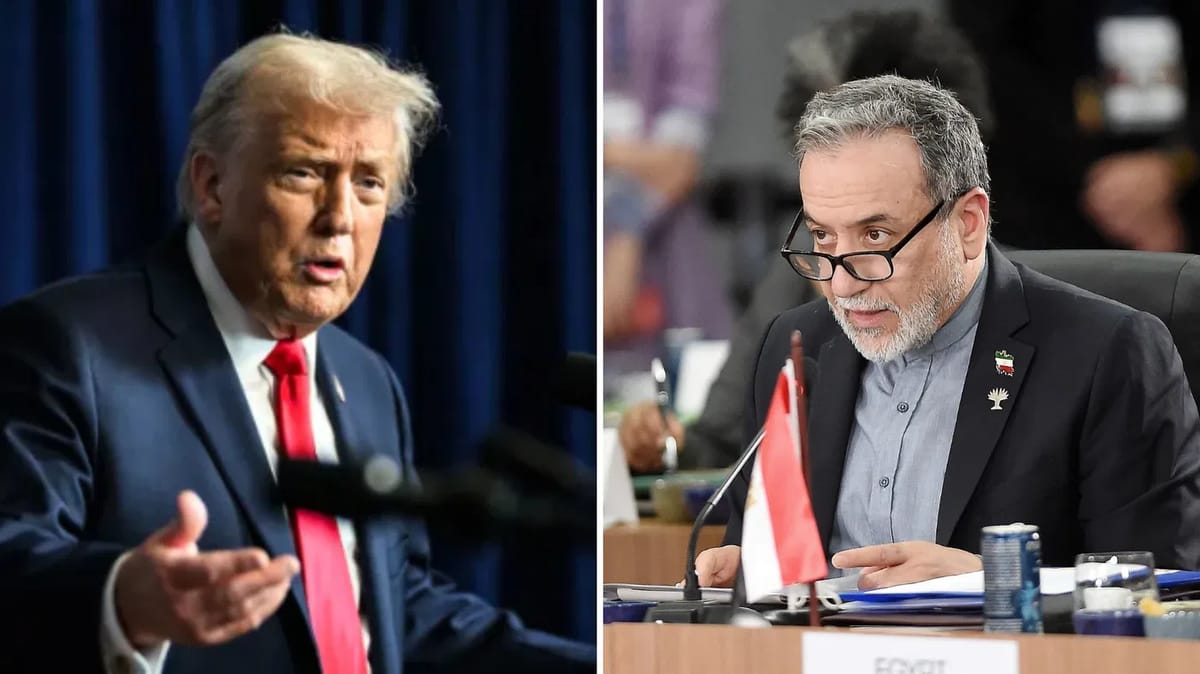
As regional diplomatic efforts persist, Iran has made it clear that its stance remains unchanged regarding the resumption of negotiations with the United States. Foreign Minister Abbas Araghchi recently visited Islamabad for meetings with Pakistani officials, yet notably avoided any direct dialogue with American representatives. This maneuver was intended to send a deliberate signal that Iran will not engage in further talks until the United States lifts its maritime blockade. Sources within Tehran describe the blockade as an illegal act of coercion that must be reversed before any trust can be rebuilt to facilitate a constructive diplomatic process.
The Iranian position is reinforced by hardline commentators close to the regime, who insist that any minor progress in talks would be meaningless without tangible American concessions. They maintain that the United States is attempting to utilize economic and military pressure to force a favorable outcome, a strategy they claim has failed to break the regime's resolve. Furthermore, Iran continues to reject American demands concerning the complete termination of its nuclear research program. Officials in Tehran have explicitly stated that the nuclear issue is non negotiable in its current form and have warned that the regime is prepared to weather a prolonged confrontation if necessary.
The Iranian Foreign Ministry has suggested that removing the naval blockade would be a positive step toward building the required confidence for a broader dialogue. However, they place the burden of proof squarely on the current American administration, noting that recent threats and official statements from Washington have only served to deepen mutual distrust. Meanwhile, regime loyalists characterize the current maritime standoff as a strategic shift that is altering the map of the region. By asserting control over the Strait of Hormuz, they claim Iran is demonstrating a resilience that renders standard American tools, such as sanctions and diplomatic pressure, increasingly ineffective.