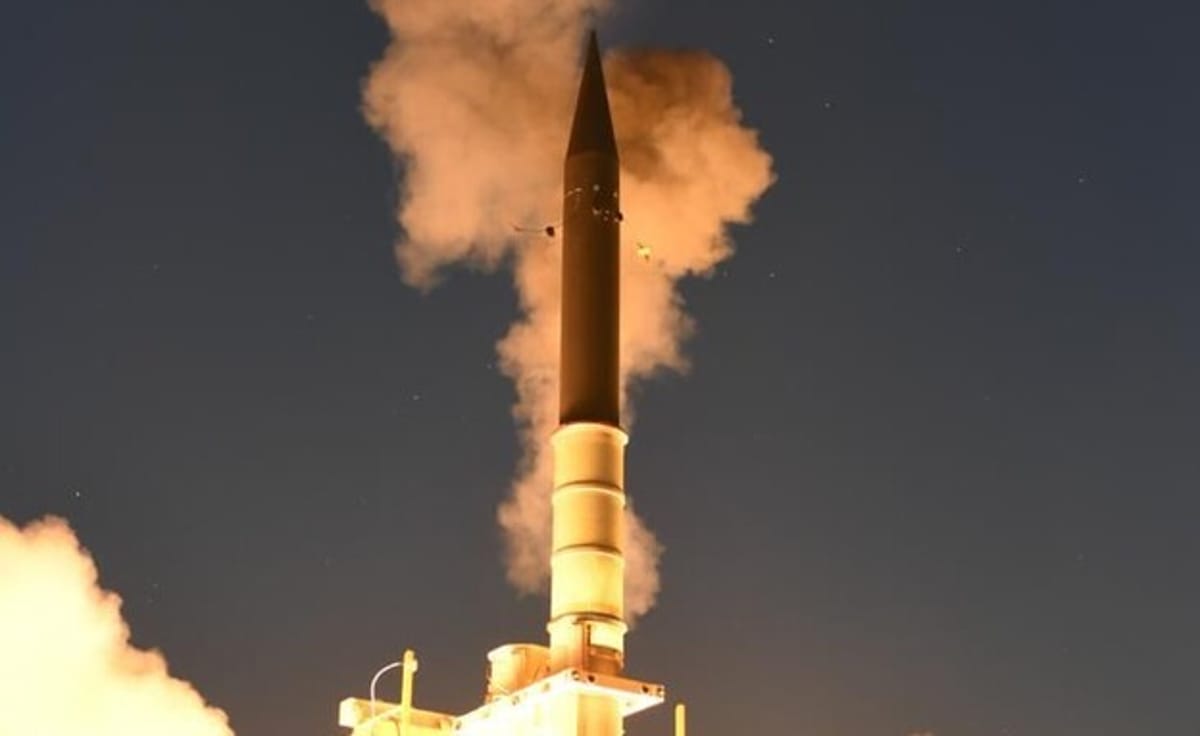
For much of the recent war, a single critical security issue remained largely behind closed doors, mirroring the quiet nature of sensitive defense facilities. The effectiveness of the Arrow 3 interceptor system, designed to neutralize long range ballistic missiles outside the atmosphere, has been a cornerstone of Israeli security since 2017. However, an investigation into the home front's defensive preparations for a conflict with Iran has exposed deeply concerning lapses in readiness. Despite the clear understanding that a confrontation would likely involve thousands of incoming missiles, critical decisions to expand production lines were repeatedly delayed or ignored.
The political environment played a significant role in this readiness gap. While former Prime Minister Naftali Bennett allocated six billion shekels for offensive preparations against Iran, the investigation shows that defensive counter measures, specifically the manufacturing of additional Arrow 3 missiles, received insufficient attention. When Prime Minister Benjamin Netanyahu returned to office, defense officials sought to initiate urgent discussions regarding the critically low stockpile of interceptors. Reports indicate that these vital meetings were cancelled by the Prime Minister's office on five separate occasions over several months. Furthermore, when the Chief of Staff, Eyal Zamir, presented a budget request to double the production rate of Arrow 3, official government tables showed a zero allocation for this specific requirement.
The consequences of this underinvestment became starkly visible during the mass drone and missile attacks of April 2024. Despite the clear demonstration of Iranian intent, the government failed to approve an emergency surge in production. Even after subsequent attacks, including the retaliation for the elimination of the leader of the Hamas terrorists, the production rates remained alarmingly low. It was not until November 2024, through a pre existing export agreement with Germany, that a second production line for the Arrow 3 was launched, providing only partial relief for Israel's own needs. Defense Ministry Director General Amir Baram eventually took the unprecedented step of issuing personal guarantees to defense industries to open additional production lines without formal cabinet approval, an act of defiance against the budgetary paralysis of the Ministry of Finance. As Israel continues to rebuild its stockpiles, defense analysts warn that the reliance on defensive systems that were not adequately funded during peacetime remains a massive strategic risk.