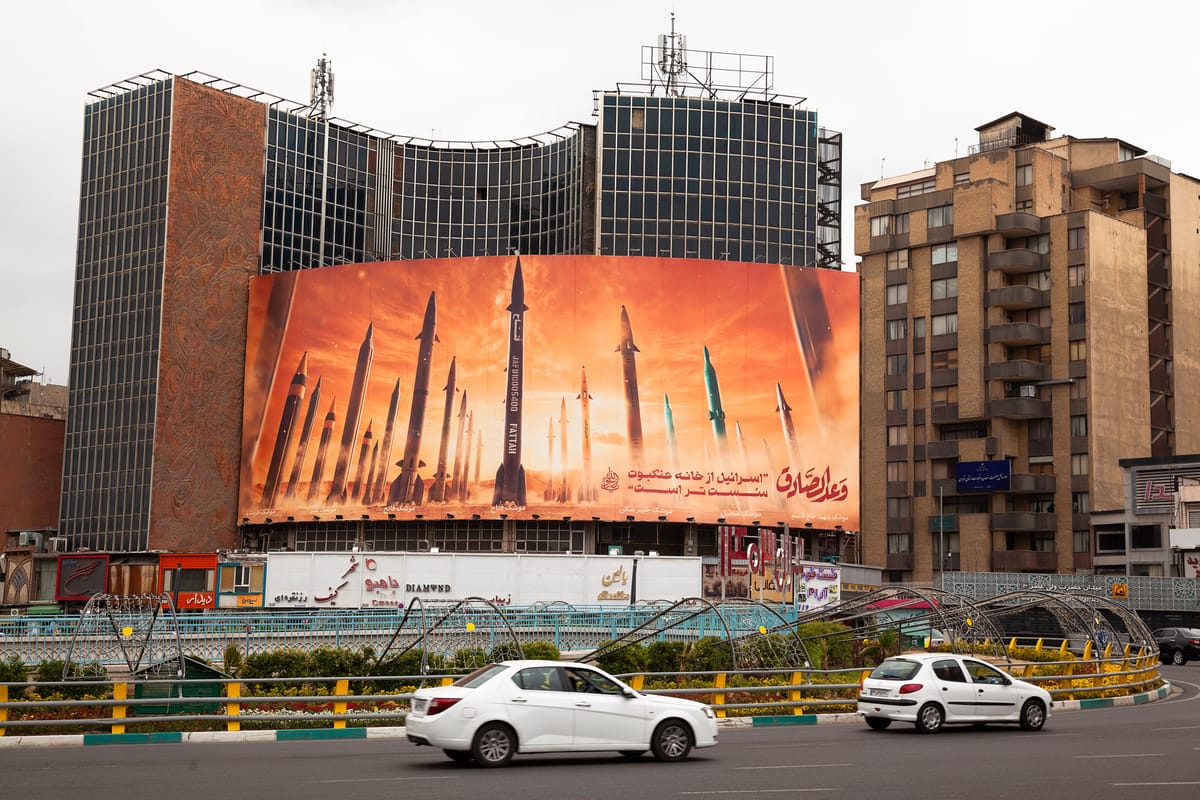
A senior political adviser to the Iranian Supreme Leader has issued a provocative public declaration, asserting that the strategic outcomes of the current war have permanently signaled the decline of United States influence across the Middle East. Mohsen Rezaee, who counsels Mojtaba Khamenei on national security policy, stated that the Islamic Republic is successfully managing its defensive campaign across two distinct dimensions simultaneously. He explained that while frontline combatants remain deployed with active weaponry, diplomatic intermediaries are concurrently utilizing international channels to secure the sovereign rights of the Iranian population.
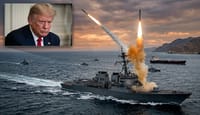
The senior official issued a stern warning regarding the long-term geopolitical consequences of the war, claiming that the post-war international landscape will prevent Washington from reclaiming its historical dominance in the region. Rezaee explicitly threatened that any hostile entry into the Persian Gulf or aggressive military action targeting the Strait of Hormuz would trigger an extraordinary, painful counter-offensive from Tehran. He emphasized that Iranian naval forces are fully prepared to break any maritime blockade, launching substantial retaliatory operations that would completely disrupt international shipping corridors.
The regime's defense council clarified that their rigid insistence on maintaining absolute administrative control over the Strait of Hormuz is not intended to disrupt legitimate international commercial trade, but rather to guarantee national security parameters. Iranian legal teams claim to possess ironclad statutory arguments and defensive justifications validating their absolute sovereignty over the critical maritime chokepoint. However, Western naval commanders view the rhetoric as a direct threat to global energy security, noting that the area has previously been a primary zone for proxy skirmishes and asymmetric naval assaults.
The strategic warnings extended well beyond the immediate Persian Gulf coastline, with the Supreme Leader's inner circle outlining a massive expansion of the combat zone if diplomatic talks collapse. Rezaee stated that if external forces attempt to widen the geographic scope of the war into the Sea of Oman, the Bab al-Mandab strait, or the open waters of the Indian Ocean, the conflict will assume unmanageable, unrestrained proportions. While Western diplomats continue to negotiate structural frameworks through Pakistani intermediaries, these highly aggressive statements from Tehran highlight the immense difficulty of securing a permanent, verifiable regional peace treaty.